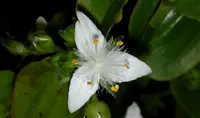
cunjevoi Care (Alocasia brisbanensis)

Also known as: Elephant's ear
cunjevoi

About cunjevoi

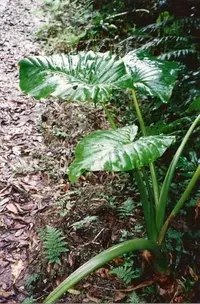
Cunjevoi, Alocasia brisbanensis, is a large, clumping aroid grown for its bold, glossy green leaves and lush, tropical look. It forms dense stands with upright stems and broad, arrow-shaped foliage.

This species is native to moist forests and creek lines in eastern Australia, where it grows in warm, shaded, humid conditions. It prefers consistently damp, well-drained soil and protection from harsh sun and cold.

Due to its size, moisture needs, and sensitivity to cold, it is moderate in difficulty and suits growers who already know how to care for cunjevoi in stable indoor or sheltered outdoor spots.

Main Plant Requirements

Care Difficulty

Moderate Care

Light Preference

Partial Shade

Water Requirements

Keep Soil Moist

Temperature Preference

Tropical / Frost Sensitive

Hardiness Zone

10–11

Soil Texture

Loamy, Silty, Organic-rich

Soil pH

Acidic (5.5–6.5), Slightly acidic (6.5–7.0)

Soil Drainage

Moist but well-drained

Fertilization

Light (every 4–6 weeks)

Get Personalized Care Plan

Scan your plant to receive care tips personalized for your specific plant

Available on iOS and Android

How to Care for the cunjevoi

This subtropical aroid prefers bright, filtered light that mimics a light forest canopy.

  • Provide 3–5 hours of gentle morning sun with dappled or bright indirect light for the rest of the day, especially in warmer regions.
  • Allow partial shade (2–3 hours of sun) in hotter climates; cunjevoi scorches in harsh midday or afternoon sun and leaves may bleach or crisp at the edges.
  • If stems stretch and leaves darken or shrink, light is too low; in winter, increase exposure by moving slightly closer to bright windows or open sky.

This species prefers steadily moist, not saturated, soil that suits its fleshy rhizomes.

  • Rewater only when the top 2–3 cm of soil feels just dry, aiming to keep the lower layer evenly damp without standing water.
  • Use deep, thorough watering so moisture reaches the root zone, but grow Alocasia brisbanensis in soil with strong drainage to prevent sour, soggy conditions.
  • In cooler months reduce frequency as growth slows; yellowing, soft leaf bases indicate overwatering, while drooping, thin leaves and dry edges suggest underwatering.

This plant thrives in warm, frost-free conditions similar to a sheltered subtropical understory.

  • Aim for 68–82°F (20–28°C) for strong growth; brief peaks up to 90°F (32°C) are tolerated if soil moisture and shade are adequate.
  • Protect from cold snaps; growth slows below 60°F (16°C), and damage occurs near 40°F (4°C) as foliage becomes limp and water-soaked.
  • Alocasia brisbanensis is highly frost-sensitive, so shield it from radiating night cold, wind chill, and sudden temperature drops in late autumn and early spring.

This species prefers consistently moist air and reacts quickly to dry conditions.

  • Aim for 60–80% humidity to keep foliage firm and reduce leaf edge browning.
  • In heated or air-conditioned rooms, dry air can cause curling, crisp tips, and slow growth in cunjevoi.
  • Increase humidity with a nearby humidifier, grouped plants, or a pebble tray, rather than misting that can encourage leaf spots.

This plant prefers moist, air-filled soil that drains freely yet holds some organic moisture.

  • Use a loose, organic-rich mix, such as 50% peat or coco coir, 25% compost, and 25% perlite or fine bark.
  • Ensure fast drainage; water should flow through within seconds and the pot should never stand in collected runoff.
  • Keep pH slightly acidic to neutral (pH 6.0–7.0) to support balanced nutrient uptake in Alocasia brisbanensis.
  • Improve aeration by adding chunky bark or coarse perlite and avoid heavy garden clay or compacted, silty mixes.

This species grows well in containers when the pot supports its moisture needs and heavy foliage.

  • Choose a wide, weighty pot to prevent tipping, as the tall petioles and large leaves make the plant top-heavy.
  • Select slightly porous materials like terracotta only if you can water more often, since they dry faster than plastic or glazed pots.
  • Use a pot just 2–4 in wider than the root ball to maintain a dense root zone that uses moisture efficiently without staying soggy.

Alocasia brisbanensis responds well to modest, consistent nutrition during its warm growing season.

  • Apply a balanced liquid fertilizer (around 10-10-10) at 1/2 strength every 4–6 weeks in spring and summer.
  • Use either a diluted balanced NPK feed or a thin layer of compost, but avoid rich manures that stay wet.
  • Stop feeding cunjevoi in late fall and winter when growth slows or foliage dies back.
  • For containers, a slow-release fertilizer at label rate in spring can supplement light liquid feeds.

Pruning Alocasia brisbanensis is mainly hygienic, keeping the clump tidy and healthy rather than reshaping the plant.

  • Best time to prune is during active growth in spring and summer so wounds close quickly.
  • Remove yellowing, dead, or damaged leaves at the base with clean, sharp pruners or a knife.
  • Thin out congested inner leaves only if they trap moisture around the crown, which can encourage rot.
  • Pruning has little effect on flowering but improves airflow and reduces disease risk in dense clumps.

This species forms clumps that may need transplanting or repotting when crowded or rootbound.

  • Look for roots circling the pot, pushing out drainage holes, or slowed growth despite good care as signs to move it.
  • Plan repotting or garden transplanting in spring to early summer, once temperatures are consistently warm.
  • Repot container plants every 2–3 years into a pot 2–5 cm wider, using a free-draining, rich mix.
  • Handle rhizomes and roots gently, keep them slightly moist, and shade the plant for 3–7 days to reduce stress.

Alocasia brisbanensis is most reliably propagated by division of its clumping rhizomes rather than from seed.

  • Divide mature clumps in spring or early summer when new growth starts and conditions are warm.
  • Lift the plant, then separate rhizomes so each division has at least 1–2 healthy shoots and roots attached.
  • Plant divisions into moist, well-drained mix, keeping the crown just above the surface to prevent rot.
  • Maintain high humidity, bright shade, and stable warmth (70–80°F) to encourage quick, firm rooting.

This subtropical species has low frost tolerance and needs considered winter care in cooler regions.

  • In USDA zones roughly 9–11, established plants often overwinter outdoors with minimal damage.
  • In cooler zones, mulch the root zone with 5–10 cm of coarse organic material to insulate rhizomes.
  • Move container plants indoors to a bright, frost-free spot before temperatures fall near 40°F.
  • Reduce watering markedly in winter, keeping soil barely moist so cold, wet conditions do not cause rot.

Care Tips

Rotate container regularly

Turn the pot 90° every 1–2 weeks during active growth to keep petioles from leaning strongly to one side and to encourage a more balanced, upright clump structure when growing cunjevoi.

Support heavy petioles

For tall or top-heavy stalks, insert discreet bamboo canes and secure petioles with soft plant ties to prevent snapping at the crown, especially after repotting or following rapid flushes of new growth.

Flush accumulated salts

Every 6–8 weeks, water deeply until at least 25–30% of the pot volume drains out, then discard runoff to reduce fertilizer salt buildup that can scorch roots and cause leaf edge burn.

Cool-season rest adjustment

In late fall and winter, reduce handling and avoid repotting or dividing, as the plant often slows or partially goes dormant and recovers more slowly from root disturbance.

Inspect stems after storms

For outdoor plants, check petiole bases after strong wind or heavy rain and remove any bent, creased, or collapsing leaves promptly to prevent rot spreading into the central crown.

Common Pests and Diseases

Cercospora leaf spot

This disease causes small, water-soaked spots that enlarge into circular or irregular brown lesions, often with a yellow halo on cunjevoi leaves. Symptoms include progressive yellowing and premature drop of older foliage, especially in warm, humid conditions.

Solution

Remove and discard affected leaves, avoid overhead watering, and increase air movement around the plant. Keep foliage dry, clean debris from the soil surface, and use a copper-based or chlorothalonil fungicide labeled for ornamental aroids if spotting continues to spread despite cultural corrections.

Bacterial leaf blight

This disease produces translucent, water-soaked patches on leaves that rapidly turn brown or black and may ooze when very humid. Symptoms include irregular lesions along veins and margins, with a foul smell in advanced infections.

Solution

Promptly prune and destroy all infected leaves, sterilizing tools between cuts, and reduce leaf wetness by watering at the soil level only. Improve air circulation, avoid crowding plants, and discard severely affected specimens, since bacterial diseases cannot be cured and are mainly controlled by sanitation and dryness management.

Colocasia mosaic virus

This disease leads to pale or dark green mosaic patterns, feathering along veins, and distortion or narrowing of leaves, which is particularly visible on large cunjevoi foliage. Symptoms include stunted growth and uneven coloration that does not improve with feeding or light adjustments.

Solution

Isolate and monitor any plant showing mosaic or vein-feathering, then remove and destroy confirmed infected plants, as viral diseases are not curable. Control sap-sucking insects that vector the virus, disinfect tools, and avoid propagating from suspicious stock to prevent further spread when practicing Alocasia brisbanensis plant care.

Aphids

These insects cluster on young shoots, undersides of leaves, and flower stalks, sucking sap and causing curling or distortion of new growth. This pest excretes sticky honeydew that can attract ants and promote sooty mold on the thick leaves.

Solution

Rinse colonies off with a firm stream of water, then treat remaining insects with insecticidal soap or a light horticultural oil, ensuring full coverage of leaf undersides and growing tips. Repeat treatments every 5–7 days until populations drop, and manage nearby ant activity, which can protect aphids from natural predators.

Spider mites

These pests are tiny and often unnoticed until fine webbing appears along leaf veins and petiole junctions, with stippled, faded patches on the foliage. Symptoms include dull, dusty-looking leaves and gradual decline, especially under warm, dry indoor or protected conditions.

Solution

Shower foliage thoroughly, focusing on undersides of leaves, to physically remove mites and webs, then apply insecticidal soap or a miticidal horticultural oil at labeled intervals. Maintain higher humidity, regularly wipe leaves with a damp cloth, and monitor closely, since repeated treatments are usually needed to break the mite life cycle.

Interesting Facts

Large rainforest understorey herb

This species forms tall clumps with leaves up to about 1 m long in the shaded understorey of subtropical and tropical rainforests in eastern Australia, where it tolerates periodic flooding along creek lines and gullies.

Specialist fruit dispersal

Its bright red berry-like fruits are eaten by rainforest birds, which disperse the seeds through their droppings, helping maintain populations along moist forest corridors.

Irritant calcium oxalate crystals

All parts of the plant contain needle-like calcium oxalate crystals (raphides) that can cause intense irritation if chewed, a chemical defense that reduces damage from herbivores.

Botan icon

Did you know?

This species is one of the few large aroids native to the Brisbane region and surrounding eastern Australian rainforests, which is reflected in its species name brisbanensis, meaning from Brisbane.

FAQs about cunjevoi

This species is toxic to cats, dogs, and other pets. Chewing any part can cause severe mouth irritation, drooling, vomiting, and difficulty swallowing. Keep plants out of reach and seek veterinary help immediately if ingestion is suspected.

Grow Healthy Plants with Botan Care

Keep your plants happy and healthy with plant identification, disease detection, and easy care guidance.

Botan plant care app — identify plants on mobile

Explore More Plants