Ageratina gracilis Care

Ageratina gracilis

About Ageratina gracilis

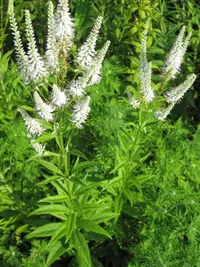
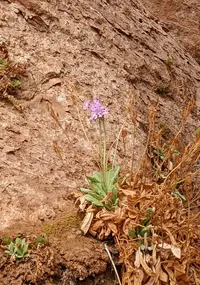
Ageratina gracilis is a small perennial in the daisy family, typically forming loose clumps of slender stems with soft green foliage and airy flower clusters. It has a light, delicate look rather than a dense or shrubby form.

This species is native to parts of Central and South America, where it often grows in open, seasonally moist habitats. Its relatively fast growth and flexible habit can make it manageable, but it may need regular trimming to keep a tidy shape.

In cultivation, it generally prefers bright light, moderate moisture, and well-drained soil. Understanding how to care for Ageratina gracilis starts with providing stable light and avoiding very dry or waterlogged conditions.

Main Plant Requirements

Care Difficulty

Moderate Care

Light Preference

Partial Shade

Water Requirements

Moderate Water

Temperature Preference

Warm Climate

Hardiness Zone

Unknown

Soil Texture

Loamy, Sandy, Organic-rich

Soil pH

Acidic (5.5–6.5), Slightly acidic (6.5–7.0)

Soil Drainage

Moist but well-drained

Fertilization

Minimal (feed rarely)

Get Personalized Care Plan

Scan your plant to receive care tips personalized for your specific plant

Available on iOS and Android

How to Care for the Ageratina gracilis

This species prefers bright conditions but is naturally adapted to light shade in warm climates.

  • Provide 4–6 hours of sun daily, prioritizing gentle morning sun with light or dappled shade in the hot afternoon.
  • Site plants in bright, filtered light or open shade where midday sun is softened, especially in regions above 80°F (27°C).
  • Watch foliage for stress: pale, scorched, or crispy leaves indicate too much direct sun, while weak, floppy stems suggest insufficient light for Ageratina gracilis.

Watering should keep the soil consistently slightly moist but never saturated.

  • Allow the top 2–3 cm of soil to dry before watering again, then water slowly so moisture penetrates the root zone without pooling.
  • Use a freely draining soil or bed; standing water or heavy clay markedly increases the risk of root rot and yellowing leaves.
  • In hot, dry periods increase checks for dryness, while in cool or rainy seasons reduce watering to avoid limp, yellow foliage from overwatering.

This plant grows best in mild, frost-free conditions with moderate warmth.

  • Aim for an active growth range of 65–80°F (18–27°C), where stems elongate well and flowering is most reliable.
  • Protect from cold below 40°F (4°C); repeated exposure near freezing can damage stems and reduce next season’s vigor.
  • In hot spells above 90°F (32°C), provide extra shade and soil moisture, as prolonged extreme heat can cause wilting and reduced flowering.

This species prefers moderate air moisture and reacts if kept too dry for long periods.

  • Aim for 40–60% humidity to reduce leaf edge browning and tip dieback.
  • It tolerates brief dry indoor air but prolonged levels below 30% can cause curling and crisping foliage.
  • Increase humidity locally with a pebble tray or grouping plants; avoid misting if leaves stay wet for hours, which can promote fungal spots on Ageratina gracilis.

This plant grows best in light, well‑aerated soil that stays evenly moist but never waterlogged.

  • Use a loose, loamy mix such as 2 parts all‑purpose potting mix, 1 part fine compost, and 1 part perlite or coarse sand for drainage.
  • Aim for slightly acidic to neutral pH around 6.0–7.0, which supports nutrient availability and balanced growth.
  • Ensure the mix crumbles easily in the hand; compact, clay‑heavy soil restricts roots and increases the risk of rot.
  • Improve aeration by blending in chunky materials like fine bark or extra perlite wherever native soil holds water for more than a day after rain.

This species adapts well to container growing when provided with stable moisture and root space.

  • Choose a pot at least 25–30 cm wide to allow the spreading root system to support dense top growth without crowding.
  • Select a heavier material like ceramic or clay outdoors so the container does not tip if stems become tall and leafy.
  • Use a slightly deeper than wide container if grown in windy spots to stabilize the root ball and reduce rocking of the plant.

This species benefits from light feeding during active growth but does not need heavy fertilization.

  • Use a balanced liquid fertilizer (around 10-10-10) at 1/4–1/2 strength every 4–6 weeks in spring and summer for Ageratina gracilis.
  • Apply to moist soil, never onto dry roots, to reduce fertilizer burn risk.
  • Skip feeding in winter or dormancy, except a very light dose once if growth is maintained indoors.
  • In-ground plants can receive a thin top-dressing of compost in spring instead of synthetic products.

Thoughtful pruning helps maintain compact growth and sustained flowering on this plant.

  • Time main pruning for late winter or very early spring before strong new growth starts.
  • Remove dead, damaged, or diseased stems first, then thin crowded interior shoots for better air flow.
  • Lightly shorten long, leggy stems to shape the mound and encourage more branching and flower heads on Ageratina gracilis.
  • Use clean, sharp hand pruners; make cuts just above a leaf node to direct new growth.

This species is more often transplanted in garden beds than kept long term in containers.

  • Plan moves for early spring or early fall, avoiding periods of extreme heat or drought.
  • Transplant when clumps outgrow their space, crowd neighbors, or show stunted growth despite good care.
  • Lift with a wide root ball, keep roots shaded and moist, and replant at the same depth in well-drained soil to limit stress on Ageratina gracilis.
  • Water thoroughly after transplanting, then keep soil evenly moist for 2–3 weeks while new roots establish.

Gardeners commonly renew plantings by division or cuttings taken from healthy stock plants.

  • Divide established clumps in early spring, replanting vigorous outer sections into prepared soil.
  • Take 8–10 cm softwood or semi-ripe stem cuttings in late spring or early summer, removing lower leaves.
  • Place cuttings in a free-draining mix, keep at 68–75°F with high humidity and bright, indirect light until rooted.
  • Sow fresh seeds on the surface of a light seed mix, keep slightly moist, and provide warmth and light for germination.

In mild climates this plant is fairly tolerant of cool weather but can suffer in hard freezes.

  • In regions colder than its usual range, treat Ageratina gracilis as a tender perennial or annual.
  • Apply a 5–7 cm mulch layer around the root zone in late fall to buffer soil temperature.
  • For container plants in frost-prone areas, move pots into a bright, cool, frost-free space for winter.

Care Tips

Pinch For Bushiness

Regularly pinch back soft shoot tips in late spring and early summer to keep plants compact, encourage dense branching, and extend the flowering period when growing Ageratina gracilis.

Staggered Rejuvenation

Every 2–3 years, cut back only one-third to one-half of the oldest stems at ground level in late winter to gradually rejuvenate the clump without sacrificing all-season structure.

Support In Windy Sites

In exposed beds, insert low, discreet hoop supports or short stakes around young plants early in the season so maturing stems can grow through and remain upright without flopping.

Targeted Mildew Management

Where powdery mildew is common, space plants generously, remove and bin infected foliage promptly, and water at soil level in the morning to keep foliage dry and reduce disease pressure.

Self-Seeding Control

If unwanted seedlings are an issue, deadhead spent flower clusters before seeds ripen, or bag a portion of seed heads to collect and store seed for controlled, deliberate propagation.

Common Pests and Diseases

Powdery mildew

This disease often appears on Ageratina species in warm, dry conditions with poor air circulation. Symptoms include white, powdery patches on leaves and stems that can cause yellowing and reduced vigor.

Solution

Remove and dispose of affected leaves, then improve airflow by thinning crowded growth and avoiding overhead watering. If conditions stay favorable for the disease, apply a sulfur or potassium bicarbonate fungicide labeled for ornamental perennials, following label directions carefully.

Rust

This disease shows as small yellow spots on upper leaf surfaces and orange to brown pustules on the undersides. Symptoms include premature leaf drop and general decline if infections are heavy.

Solution

Promptly remove and discard infected leaves and plant debris to reduce spore spread. Improve spacing and airflow, avoid wetting foliage, and if needed use a labeled ornamental rust fungicide during humid periods when new spots first appear.

Leaf spot (fungal)

Symptoms include small brown or dark purple spots on leaves that may enlarge and merge, leading to tattered or scorched-looking foliage. This problem is more common in dense plantings and during extended wet weather.

Solution

Prune out and discard heavily spotted leaves, then water at the base of the plant to keep foliage dry. If leaf spots persist, apply a copper- or chlorothalonil-based fungicide labeled for ornamental plants, and monitor new growth closely as part of Ageratina gracilis care instructions.

Aphids

These insects feed on tender stems and leaf undersides, causing distorted new growth and sticky honeydew that can lead to sooty mold. This pest is often attracted to lush, nitrogen-rich growth on Eupatorieae relatives such as Ageratina.

Solution

Spray plants with a firm stream of water to dislodge colonies, repeating every few days until numbers drop. For persistent infestations, treat with insecticidal soap or horticultural oil, ensuring thorough coverage of stems and leaf undersides in cool, shaded conditions.

Leaf miners

These insects create pale winding tunnels inside the leaves, which can reduce photosynthesis and make foliage look unsightly. Symptoms include thin, serpentine trails and small blotches where larvae have fed within the leaf tissue.

Solution

Remove and destroy mined leaves early to reduce the number of larvae developing inside the plant. In outdoor plantings, encourage natural predators and, if damage is severe, use a systemic insecticide specifically labeled for leaf miners on ornamental plants, applied according to local regulations.

Interesting Facts

High-altitude specialist

This species is naturally found in high-elevation cloud forests of Mexico and Central America, growing on exposed slopes and forest edges where light is bright but often filtered by mist and low cloud.

Fine-textured foliage

The plant forms delicate, finely branched stems with small, narrow leaves, creating a soft, airy texture that contrasts with the denser foliage of many other Ageratina species.

Late-season nectar source

In its native range, it flowers in the later part of the growing season and provides nectar for small butterflies and other insects at times when many other wildflowers have already finished blooming.

FAQs about Ageratina gracilis

This species spreads moderately by short rhizomes and self-seeding, but it is not usually aggressive in managed gardens. Deadhead spent flower heads and remove unwanted seedlings if tighter control of clump size is needed.

Grow Healthy Plants with Botan Care

Keep your plants happy and healthy with plant identification, disease detection, and easy care guidance.

Botan plant care app — identify plants on mobile

Explore More Plants