cavedwelling primrose Care (Primula specuicola)

cavedwelling primrose

About cavedwelling primrose

Cavedwelling primrose, Primula specuicola, is a small perennial wildflower native to shaded limestone cliffs and cave mouths in the southwestern United States. It often forms loose clumps of soft, spoon-shaped leaves.

In late winter to spring it produces delicate clusters of pale pink to lavender flowers on slender stems, giving good early-season color. Its natural habitat is cool, sheltered, and consistently moist, which makes it sensitive to heat and drought.

Because it is adapted to narrow, specialized conditions, it can be challenging outside rock gardens or carefully controlled sites. Anyone wanting to care for cavedwelling primrose needs to match its preference for cool shade, moisture, and sharply draining, alkaline rocky soil as closely as possible.

Main Plant Requirements

Care Difficulty

Hard Care

Light Preference

Partial Shade

Water Requirements

Keep Soil Moist

Temperature Preference

Cold Hardy

Hardiness Zone

3–8

Soil Texture

Loamy, Rocky, Organic-rich

Soil pH

Acidic (5.5–6.5), Slightly acidic (6.5–7.0)

Soil Drainage

Moist but well-drained

Fertilization

Minimal (feed rarely)

Get Personalized Care Plan

Scan your plant to receive care tips personalized for your specific plant

Available on iOS and Android

How to Care for the cavedwelling primrose

Primula specuicola prefers cool, bright conditions that mimic open canyon ledges and moist cliffs.

  • Provide 3–5 hours of soft morning sun with bright, dappled or filtered light for the rest of the day; avoid harsh afternoon sun, especially in hot, dry climates.
  • Allow light partial shade, especially in summer; too much shade causes weak, floppy growth and fewer flowers in cavedwelling primrose.
  • In hot regions, give more shade from May–September; in cooler areas, plants can tolerate more direct sun when soil stays consistently moist.

This species needs consistently moist but not waterlogged soil, especially during active growth in spring.

  • Water when the top 2–3 cm of soil feel just barely dry, aiming to keep the root zone evenly damp without standing water.
  • Use a sharply draining, humus-rich substrate; symptoms of overwatering include yellowing lower leaves and soft, collapsing crowns, while underwatering leads to limp, folding foliage.
  • Reduce watering frequency after flowering and in summer heat, but never let the soil dry completely around Primula specuicola, particularly in thin, rocky settings.

This primrose thrives in cool to mild conditions and dislikes extended heat combined with drought.

  • Aim for 45–65°F (7–18°C) during active growth; plants tolerate short spells up to about 75°F (24°C) if soil stays moist and roots are shaded.
  • Mature plants can survive down to about 0–5°F (-18 to -15°C) under snow or mulch, but repeated freeze–thaw without protection can damage crowns.
  • In hot summers above 80°F (27°C), provide extra shade and moisture; avoid planting in spots that trap reflected heat from rocks or walls.

This species prefers moderately moist air and reacts clearly to very dry conditions.

  • Aim for 40–60% humidity; it tolerates brief dips lower but prolonged very dry air weakens foliage.
  • Watch for crispy leaf edges, drooping between waterings, and stalled growth as signs of humidity stress in cavedwelling primrose.
  • Increase humidity with a nearby pebble tray or grouped plants, but keep leaves dry and ensure steady air movement to prevent mildew.

Primula specuicola prefers a loose, sharply draining but moisture-retentive substrate that mimics rocky stream banks.

  • Use a mix of roughly 40% fine compost, 40% mineral grit or coarse sand, and 20% perlite to balance drainage and water retention.
  • Keep pH slightly acidic to neutral, around 6.0–7.0, avoiding strongly alkaline mixes that limit nutrient availability.
  • Improve aeration by ensuring visible coarse particles; avoid heavy clay and peat-only mixes that compact and stay waterlogged.
  • Do not let the plant sit in dense, soggy soil, which promotes root rot and crown decay, especially in cool weather.

This species can be grown in containers if drainage and root-zone moisture are managed carefully.

  • Choose a wide, shallow pot to match its relatively fibrous root system and prevent overly deep, wet zones.
  • Select unglazed terracotta if outdoor conditions are cool and damp, as it allows faster evaporation from the root zone.
  • Place the container on pot feet or bricks outdoors so excess water clears quickly after rain, reducing crown rot risk.

Primula specuicola benefits from light feeding but is adapted to lean, rocky soils.

  • Use a balanced, dilute liquid fertilizer (for example 10-10-10 at 1/4 strength) during active spring growth.
  • Apply every 3–4 weeks while leaves and flowers are developing, then stop by midsummer.
  • Avoid heavy compost or rich slow-release pellets that can cause soft, weak growth in cavedwelling primrose.
  • Do not feed in winter dormancy; maintain only lightly moist, well-drained substrate.

Pruning needs for Primula specuicola are minimal and focus on cleanliness rather than shaping.

  • In late spring, deadhead spent flower stalks at the base to encourage tidy foliage and possible repeat bloom.
  • Remove yellowed, dead, or damaged leaves with clean, sharp scissors to reduce disease risk.
  • Thin any crowded rosettes very lightly to maintain airflow without exposing roots.
  • Disinfect tools with alcohol before and after use, especially in damp conditions.

This species is more often transplanted in rock gardens than repotted, as it prefers stable, well-drained sites.

  • Consider moving or potting up only when roots circle the container, growth stalls, or soil stays wet too long.
  • Transplant in early spring or just after flowering, aiming for 2–3 year intervals at most.
  • Lift clumps carefully, keeping as much root and surrounding soil intact as possible to limit shock.
  • Replant into sharply drained, gritty substrate, water gently, then shade from strong sun for 3–5 days.

Primula specuicola is most commonly propagated by seed, with division used more cautiously in established clumps.

  • Sow fresh seed in late summer to fall on the surface of a gritty, well-drained mix; do not bury deeply.
  • Provide cool to cold stratification (about 4–8 weeks at 35–45°F) to improve germination.
  • Keep seed trays evenly moist, bright, and cool, avoiding waterlogging during germination.
  • For division, split mature clumps in early spring, retaining firm rosettes with roots and replant promptly.

This species is reasonably cold hardy but benefits from simple winter care in gardens and containers.

  • In-ground plants in cold climates can receive a light, dry mulch over the root zone, avoiding crown burial.
  • Ensure winter soil drainage is excellent, since saturated, frozen soil harms roots more than low air temperatures.
  • Move containers to a cold, bright, sheltered spot, such as an unheated porch or cold frame, to reduce freeze–thaw stress.

Care Tips

Cool-season timing

Plan outdoor work such as division, replanting, or moving containers for late winter to very early spring, while the plant is still dormant and temperatures stay cool, to avoid stressing roots and flower buds.

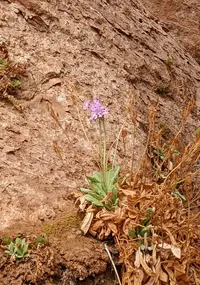
Rocky rooting zone

When planting in the ground, set crowns into a gritty rock crevice or between stable stones so roots can anchor in cool, shaded pockets that mimic its native canyon habitat and reduce heaving from freeze–thaw cycles.

Careful division method

Divide clumps only every 3–4 years, using a clean, sharp knife to tease apart rosettes with at least one healthy bud and several roots, then replant divisions at the same depth and keep them evenly moist until re-established.

Alkaline monitoring

In regions with acidic soils, top-dress a narrow band around the plant with a small amount of garden lime once a year and check pH with a soil test kit to keep conditions slightly alkaline, which supports consistent flowering when growing cavedwelling primrose.

Protected snow cover

In cold climates, allow natural snow to cover plants and avoid disturbing it, since a stable snow layer insulates crowns from rapid temperature swings and late winter desiccation.

Common Pests and Diseases

Powdery mildew

This disease often appears on primroses in cool, humid, and crowded conditions, forming white powdery patches on leaves and stems. Symptoms include distorted new growth and gradual decline in vigor.

Solution

Remove the most affected leaves, improve airflow, and avoid overhead watering so foliage dries quickly. If needed, apply a sulfur- or potassium bicarbonate-based fungicide labeled for ornamentals, and space plants so leaves do not touch to reduce recurrence as part of standard Primula specuicola plant care.

Botrytis blight

This disease develops in cool, damp, low-light conditions, causing gray fuzzy mold, water-soaked spots, and collapse of flowers and young leaves. Symptoms include mushy tissue and a rapid spread over crowded rosettes.

Solution

Promptly remove and discard all infected flowers and leaves, and keep decaying plant material away from the crown. Increase ventilation, reduce overhead watering, and, if outbreaks persist, use a labeled ornamental fungicide targeting gray mold while keeping the crown as dry as possible above the soil line.

Aphids

These insects cluster on tender stems and flower stalks, sucking sap and causing curling leaves, stunted growth, and sticky honeydew. This pest is often favored by lush, soft growth in nutrient-rich, moist sites near seeps or streams.

Solution

Wash colonies off with a firm stream of water and pinch off heavily infested soft tips. For persistent populations, use insecticidal soap or a light horticultural oil, applied in the early morning or evening to thoroughly coat the insects without stressing the plant.

Slugs and snails

These pests feed on tender primrose foliage in moist, shaded habitats, leaving irregular holes and shredded leaf edges. Symptoms include slime trails on soil, rocks, or leaves near the rosettes.

Solution

Hand-pick slugs and snails in the evening or early morning and remove nearby hiding spots such as dense debris or boards. Use iron phosphate bait around but not touching the crowns, and maintain good air movement and slightly less surface moisture to make the area less attractive to them.

Interesting Facts

Hangs on canyon walls

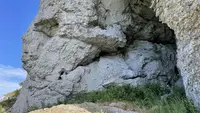
This species often grows rooted in vertical sandstone cliffs and cave mouths along the Colorado Plateau, where its rosettes and flowers seem to hang directly from rock faces above streams.

Adapted to seeps

It specializes in moist seeps and dripping rock ledges in otherwise very arid landscapes, relying on constant but low water flow rather than typical soil moisture found in most primroses.

Winter-early spring bloomer

In its native range it commonly flowers from late winter into early spring, sometimes when snow and ice still surround the seep faces, taking advantage of bright light before surrounding vegetation leafs out.

Botan icon

Did you know?

The species epithet specuicola literally means cave-dweller, referring to its unusual preference for shaded alcoves, grotto entrances, and other protected rock cavities in canyon systems of the American Southwest.

FAQs about cavedwelling primrose

This species usually flowers in late winter to early spring, often when surrounding vegetation is still dormant. Individual blooms can last several weeks in cool, stable conditions, especially when protected from strong sun, heat, and drying winds.

Grow Healthy Plants with Botan Care

Keep your plants happy and healthy with plant identification, disease detection, and easy care guidance.

Botan plant care app — identify plants on mobile

Explore More Plants