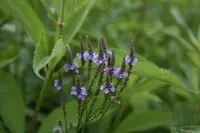
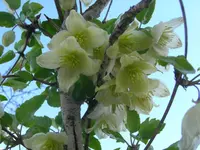
blue plantain lily Care (Hosta ventricosa)

Also known as: Plantain Lily
blue plantain lily

About blue plantain lily

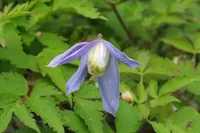
Blue plantain lily, Hosta ventricosa, is a clump-forming perennial grown mainly for its broad, ribbed, dark green leaves and tall spikes of violet-blue, bell-shaped flowers. It forms dense mounds that spread slowly, creating a neat groundcover in shaded gardens and along borders.

This species is native to China and has adapted well to many temperate garden climates. It is valued for being reliable, long-lived, and relatively low-maintenance once established.

The plant prefers partial to full shade, consistent moisture, and rich, well-drained soil. These traits make it straightforward to care for blue plantain lily in typical home gardens, especially for beginners learning shade gardening.

Main Plant Requirements

Care Difficulty

Easy Care

Light Preference

Partial Shade

Water Requirements

Regular Water

Temperature Preference

Cold Hardy

Hardiness Zone

3–8

Soil Texture

Loamy, Clay, Organic-rich

Soil pH

Acidic (5.5–6.5), Slightly acidic (6.5–7.0)

Soil Drainage

Moist but well-drained

Fertilization

Light (every 4–6 weeks)

Get Personalized Care Plan

Scan your plant to receive care tips personalized for your specific plant

Available on iOS and Android

How to Care for the blue plantain lily

This shade-tolerant perennial prefers bright, indirect light and limited direct sun for best foliage color.

  • Provide dappled or filtered light with 2–4 hours of gentle morning sun; avoid harsh midday and afternoon sun, which can scorch leaves.
  • Blue plantain lily performs best in partial to full shade, especially in hotter regions where tree cover or building shade reduces direct exposure.
  • In cooler climates, allow more morning sun in spring and fall, then protect from increased summer intensity with shade cloth or nearby plants.

This plant prefers consistently moist, cool soil without staying waterlogged.

  • Water when the top 2–4 cm of soil feels dry, aiming for deep soaking that reaches the root zone rather than frequent light splashes.
  • In spring and early summer, when Hosta ventricosa is actively growing, expect faster drying; in late fall, reduce watering as foliage dies back.
  • Watch for drooping, crisp leaf edges, or wide gaps between rains as signs to water, and yellowing, mushy crowns or standing water as signs of excess moisture.

This hardy perennial tolerates a wide temperature range but grows best in moderate conditions.

  • Optimal growing temperatures are 60–75°F (16–24°C), supporting strong leaf growth from mid-spring through early fall in most temperate gardens.
  • Dormant crowns tolerate winter cold down to about -20°F (-29°C) with mulch; emerging spring shoots are more sensitive to late frosts and may need protection.
  • In hot spells above 85°F (29°C), provide extra shade and soil moisture to reduce heat stress and leaf scorch, especially in exposed positions.

Hosta ventricosa grows well in 40–60% humidity and usually adapts to typical outdoor conditions.

  • Tolerates short dry spells but prolonged air below 30% can crisp leaf edges and tips.
  • Dry, curling margins or browning between veins indicate humidity stress combined with inadequate watering.
  • To boost humidity for blue plantain lily in hot, dry spells, group pots together or mulch soil heavily to reduce moisture loss.

Hosta ventricosa prefers moist, airy, organic-rich soil that stays evenly damp but never waterlogged.

  • Use a loamy mix with 40–60% compost, garden loam, and a small amount of coarse sand or fine bark for structure.
  • Aim for slightly acidic to neutral pH, roughly 6.0–7.0, to support nutrient availability and healthy root growth.
  • Improve drainage and aeration by mixing in perlite or pine bark fines, especially in heavy or compacted ground.
  • Avoid dense clay that stays soggy, poorly drained low spots, or very sandy soil that dries out within hours.

This species is well suited to container growing outdoors in patios, shade gardens, and balconies.

  • Choose a wide, heavy pot to support its spreading crown and prevent tipping when foliage becomes full and lush.
  • Use a deep container that allows thick, fibrous roots to grow down at least 20–25 cm for better drought resilience.
  • Select a slightly moisture-retentive mix and avoid thin metal pots that overheat and cause rapid root drying in sun or heat.

Hosta ventricosa benefits from light, consistent feeding during active growth for full foliage and steady clump development.

  • Use a balanced, slow-release granular fertilizer (such as 10-10-10) or well-rotted compost at leaf emergence in spring.
  • Apply again midseason if growth slows, keeping granules off leaves and crowns to avoid burn.
  • For liquid feeds, use a balanced NPK at 1/2 strength every 4–6 weeks in containers.
  • Stop feeding the blue plantain lily by late summer so growth can harden before winter dormancy.

Hosta ventricosa needs simple, seasonal pruning to maintain tidy foliage and support healthy growth.

  • In spring, remove any remaining dead or mushy leaves with clean hand pruners to reduce disease risk.
  • During the growing season, cut off yellowing, damaged, or slug-torn leaves at the base to keep clumps neat.
  • Deadhead spent flower scapes after blooming to direct energy back into roots and foliage.
  • In fall after a hard frost, shear or cut down collapsed foliage at ground level and discard, not compost if diseased.

Hosta ventricosa is usually grown in the ground and benefits from division or transplanting only every several years.

  • Consider moving or dividing when clumps become crowded, growth weakens, or centers die out after 4–6 years.
  • Transplant in early spring as shoots emerge or in early fall, allowing roots time to re-establish in cool, moist soil.
  • Lift the clump with a spade, gently shake off soil, and divide with a sharp knife or spade into sections with several buds each.
  • Replant divisions at the original depth, water thoroughly, and keep soil evenly moist for 2–3 weeks to limit transplant shock.

Hosta ventricosa is most reliably propagated by division, which maintains the exact features of the parent plant.

  • Divide mature clumps in early spring as new shoots appear or in early fall, avoiding hot, dry periods.
  • Use a sharp spade or knife to cut the clump into pieces, each with 2–4 buds and a healthy root system.
  • Replant divisions promptly in moist, well-drained soil, spacing to allow future spread and good air flow.
  • Seed propagation is possible but slow and variable; provide 60–70°F, consistent moisture, and patience for germination.

Hosta ventricosa is cold hardy in most temperate gardens and usually needs minimal winter care once established.

  • Allow frost to naturally kill back foliage, then remove collapsed leaves to reduce slugs and fungal issues.
  • Apply a 5–7 cm layer of mulch over the root zone in late fall, keeping it slightly away from the crowns.
  • Container-grown plants in colder regions should be moved into an unheated garage or protected area to prevent root freeze.

Care Tips

Slug barrier management

Lay a 2–3 in band of coarse gravel or crushed oyster shell around clumps each spring and refresh mid-season to reduce slug and snail damage to emerging and mature leaves.

Crown division timing

Divide crowded clumps in early spring just as the eyes emerge, using a clean, sharp spade to cut into firm sections with at least 2–3 eyes each, then replant at the same depth to maintain vigor and leaf size.

Mulch for leaf quality

Apply a 5–7 cm layer of shredded bark or composted wood chips around, but not on top of, the crown to keep roots cool and soil moisture stable, which supports thicker leaves and more reliable flowering when growing blue plantain lily.

Rodent and deer deterrence

Install low wire mesh collars around crowns and use a perimeter of hardware cloth or deer-resistant hedging in areas with heavy browsing, since rodents and deer can quickly strip emerging shoots.

Flower stalk management

Remove spent flower stalks close to the base once blooms fade to redirect energy into root and foliage development, unless seed collection or ornamental seed pods are specifically desired.

Common Pests and Diseases

Slug and snail damage

This pest is the most common and serious problem on hostas, causing large ragged holes and shredded leaf edges, especially on tender new growth. Symptoms include slime trails on or around the plant and feeding mainly at night or in wet, cool conditions.

Solution

Hand-pick slugs and snails in the evening, use iron phosphate bait around the clump, and place physical barriers such as copper tape or sharp grit to reduce access to crowns. Reduce hiding spots by clearing debris, avoid overhead night watering, and keep mulch slightly pulled back from the base to make the area less attractive.

Foliar nematodes

These microscopic worms feed inside leaf tissue, causing yellow to brown streaks or patchy areas that are confined between veins and often appear as bands across the leaf. Symptoms include worsening leaf blotching through the season, often starting on lower leaves and spreading upward.

Solution

Remove and discard heavily affected leaves in household trash and avoid overhead watering that splashes from leaf to leaf. In established beds, improve spacing and airflow, water at soil level, and avoid moving divisions or tools from infested clumps to healthy plants to limit spread, as chemical control for home growers is limited.

Hosta virus X

This disease causes mottled, streaked, ink-bleed, or twisted leaves that do not match the normal pattern of the cultivar and usually become more obvious as the season progresses. Symptoms include irregular color breaks, distortion, and sometimes reduced vigor over several years.

Solution

Immediately remove and discard (do not compost) any plant strongly suspected of infection, including surrounding soil that contains roots. Disinfect tools with a 10% bleach solution or 70% alcohol after cutting hostas, avoid sap contact between plants, and only purchase divisions from reputable sources that practice Hosta ventricosa care hygiene such as virus testing and clean propagation.

Anthracnose

This disease causes tan to light-brown leaf spots with darker borders that may enlarge and cause the center of the spot to fall out, leaving shot holes and tattered areas. Symptoms include more severe spotting during warm, wet weather and on leaves that stay wet for long periods.

Solution

Remove and discard spotted leaves to reduce inoculum, then water early in the day at soil level so foliage dries quickly. Improve spacing and airflow, avoid overhead irrigation in humid periods, and in severe recurring cases use a labeled fungicide on emerging foliage according to product directions.

Black vine weevil

These insects are nocturnal beetles whose adults chew distinctive notches from leaf edges, while the larvae feed on roots and crowns, sometimes leading to wilting or plant decline. Symptoms include scalloped leaf margins and, in heavy infestations, reduced vigor despite adequate moisture and shade.

Solution

Inspect plants after dark and manually collect adult beetles from leaves, and use sticky traps or boards laid on soil to monitor activity. For longer-term control, apply beneficial nematodes to the soil in spring or late summer targeting larvae, and avoid moving infested pots or soil to new areas.

Interesting Facts

Self-fertile seed producer

Unlike many hostas that require cross-pollination, this species is usually self-fertile and sets large quantities of viable seed from a single clone, which contributes to its reputation as a reliable garden naturalizer in suitable climates.

Distinctive inflated seed pods

After flowering, it develops noticeably swollen, balloon-like seed capsules that are more rounded and inflated than those of most other commonly grown hostas, making the fruiting stems quite ornamental in late season.

Ancestry of modern hybrids

Genetic studies and breeding records show that this species has contributed traits such as strong vigor, dense clumping habit, and good flower performance to several modern hybrid hostas used in landscaping.

Botan icon

Did you know?

In parts of its introduced range, particularly in temperate regions of North America and Europe, this species has escaped cultivation and become locally naturalized along shaded roadsides and streambanks, where it can form persistent colonies that outcompete some native woodland herbs.

FAQs about blue plantain lily

Yellowing leaves usually come from natural aging, waterlogged soil, or nutrient imbalance. Remove the oldest yellow leaves, improve drainage, and apply a balanced, slow-release fertilizer in spring. Avoid standing water around the roots to prevent rot.

Grow Healthy Plants with Botan Care

Keep your plants happy and healthy with plant identification, disease detection, and easy care guidance.

Botan plant care app — identify plants on mobile

Explore More Plants