Provide firm support
Install a sturdy trellis, wire netting, or tensioned wires before planting so the vine can naturally twine around thin supports without stems being damaged later during retrofitted training.

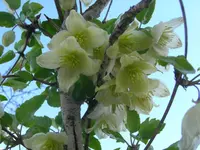
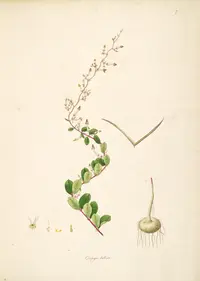
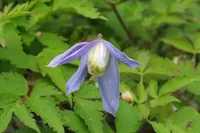
Early Virgin's-bower, Clematis cirrhosa, is an evergreen, scrambling vine known for its delicate, bell-shaped flowers that often appear in the cooler months. It typically grows through and over shrubs, fences, or trellises, creating a light, lacy cover rather than a dense screen.
This species is native to the Mediterranean region, where it experiences mild, relatively dry winters and warm summers. Its growth habit and seasonal flowering make it attractive for extending interest into late fall and winter in suitable climates.
Clematis cirrhosa prefers sun to light shade, reasonably moist but well-drained soil, and some shelter from harsh cold. These traits make it moderately easy to grow if you understand how to care for Early Virgin's-bower in climates without extreme winters.

Care Difficulty
Moderate Care

Light Preference
Full Sun

Water Requirements
Moderate Water

Temperature Preference
Cold Hardy

Hardiness Zone
7–10

Soil Texture
Sandy, Loamy, Organic-rich

Soil pH
Acidic (5.5–6.5), Slightly acidic (6.5–7.0)

Soil Drainage
Moist but well-drained

Fertilization
Light (every 4–6 weeks)
Scan your plant to receive care tips personalized for your specific plant
Available on iOS and Android
Clematis cirrhosa needs bright outdoor conditions with a balance of sun exposure and root shade.
Clematis cirrhosa prefers evenly moist, well-drained soil rather than extremes of wet or dry.
This clematis is well suited to mild climates and tolerates cool winters with proper establishment.
Humidity is not a major concern for Clematis cirrhosa, which copes well with typical outdoor air in most climates.
Clematis cirrhosa prefers a deep, well-drained, moisture-retentive soil with a cool root zone and open structure.
This species can be grown successfully in containers if the pot is large, deep, and drains very efficiently.
Clematis cirrhosa benefits from light, consistent feeding to support flowering without producing overly lush, weak growth.
Pruning Clematis cirrhosa is mainly about light tidying to maintain shape and encourage reliable flowering.
This clematis is more often planted in the ground, so focus on careful transplanting or infrequent container repotting to avoid root disturbance.
Clematis cirrhosa is commonly propagated by semi-ripe cuttings and layering, with seeds used less often for home growing.
This species is relatively cold hardy in mild climates but benefits from basic winter care, especially in containers or colder regions.

Plant Health Check
Not sure what's wrong with your plant? Check your plant's health inside the app.
This species naturally flowers in late autumn to winter in mild climates, allowing it to avoid competition with many spring- and summer-flowering vines and to offer nectar and pollen to active winter insects.
Clematis cirrhosa is native to the Mediterranean region, where it grows in scrub and rocky habitats, which explains its relatively high tolerance for dry summer conditions compared with many other clematis species.
Unlike most clematis that are deciduous, this species often retains its foliage year-round in mild climates, providing continuous cover as it climbs using leaf petioles that act like tendrils, a feature reflected in the species name cirrhosa, meaning tendrilled.

Some wild populations of Clematis cirrhosa are visited by overwintering butterflies and other insects in Mediterranean habitats, making its off-season blooming period an important resource in local pollination networks when few other shrubs or climbers are in flower.
This species is usually evergreen or semi-evergreen in mild climates, keeping most foliage through winter. In colder regions, leaves may be shed after hard frosts, with fresh growth emerging again from the woody framework in spring.
Keep your plants happy and healthy with plant identification, disease detection, and easy care guidance.