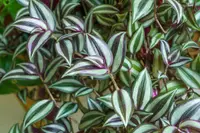
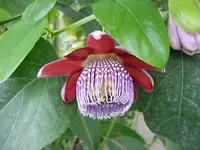
pearl laceleaf Care (Anthurium scandens)

pearl laceleaf

About pearl laceleaf

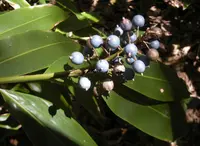
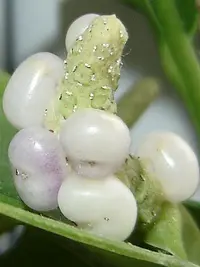
Pearl laceleaf, Anthurium scandens, is an epiphytic aroid that often grows on trees, forming trailing or climbing stems. It produces small, glossy leaves and decorative, bead-like white to pale pink berries that inspire its common name.

In the wild, it occurs in humid tropical forests of Central and South America, where it benefits from filtered light and consistent moisture. Its compact size and climbing habit make it suitable for indoor growing in limited spaces.

This species is moderately easy to maintain as long as humidity, warmth, and airy, well-drained substrate are provided. For many growers, learning how to care for pearl laceleaf starts with recreating its naturally moist but not waterlogged conditions.

Main Plant Requirements

Care Difficulty

Moderate Care

Light Preference

Bright Indirect Light

Water Requirements

Moderate Water

Temperature Preference

Tropical / Frost Sensitive

Hardiness Zone

11–12

Soil Texture

Loamy, Peaty, Organic-rich

Soil pH

Acidic (5.5–6.5), Slightly acidic (6.5–7.0)

Soil Drainage

Moist but well-drained

Fertilization

Light (every 4–6 weeks)

Get Personalized Care Plan

Scan your plant to receive care tips personalized for your specific plant

Available on iOS and Android

How to Care for the pearl laceleaf

This epiphytic Anthurium prefers bright, indirect light that mimics dappled forest shade.

  • Provide 6–8 hours of filtered light daily, such as near an east or north window or under light tree canopy for pearl laceleaf.
  • Tolerates partial shade, but growth and flowering slow if kept in dim light; move slightly closer to the light source if new leaves emerge small or sparse.
  • Protect from direct midday and afternoon sun, which can cause leaf scorch and yellow patches, especially through unshaded glass in summer.

This species prefers evenly moist, airy substrate rather than constant wet conditions.

  • Water when the top 2–4 cm of the mix feels dry, using finger-checks instead of a fixed schedule, and water thoroughly so excess drains away.
  • In spring and summer, expect more frequent watering as growth is faster; reduce frequency in fall and winter when evaporation and growth slow.
  • Watch for yellowing, limp leaves and a sour smell as signs of overwatering and poor drainage; crisp edges and drooping, light pot weight suggest underwatering.

This tropical climber thrives in consistently warm, frost-free conditions.

  • Aim for 65–80°F (18–27°C) for best growth, with steady temperatures and only small day–night swings.
  • Avoid exposure below 55°F (13°C); brief drops may stall growth, while near-freezing or frost can cause severe leaf damage or plant death.
  • In hot spells above 86°F (30°C), increase air movement and humidity while keeping it shaded from intense sun to limit heat stress and leaf scorch.

This species prefers moderately high humidity to keep foliage healthy and minimize tip damage.

  • Aim for 50–70% humidity; it tolerates brief dips lower but prolonged very dry air increases leaf browning.
  • Humidity stress shows as brown, crispy tips and edges, slowed growth, and tighter, smaller leaves on pearl laceleaf.
  • Increase humidity with a room humidifier, grouping plants, or a nearby pebble tray, rather than misting alone.

This epiphytic aroid needs a loose, airy, fast-draining mix rather than dense potting soil.

  • Use a chunky mix of fine orchid bark, perlite or pumice, and a small amount of peat or coco coir for moisture retention.
  • Aim for slightly acidic to neutral pH (5.5–7.0) to support nutrient availability for Anthurium scandens roots.
  • Ensure large air spaces in the mix; bark and coarse perlite improve aeration and reduce the risk of root rot.
  • Avoid heavy garden soil, unamended all-purpose mix, or any medium that compacts and stays wet for longer than 2–3 days.

This species grows well in containers, especially when the pot supports its climbing and trailing habit.

  • Choose a stable, slightly wider pot so the plant can trail or climb without tipping as vines elongate.
  • Select a pot material that matches your watering habits; terracotta dries faster, while plastic retains moisture longer for busy owners.
  • Use a container deep enough for a developing root mass but not so oversized that excess mix stays wet at the bottom.

Light but consistent feeding keeps Anthurium scandens growing and flowering well in containers.

  • Use a balanced liquid fertilizer (such as 10-10-10 or 20-20-20) diluted to 1/4–1/2 strength for pearl laceleaf.
  • Apply every 4–6 weeks during spring and summer on already-moist soil to avoid root burn.
  • Pause or reduce feeding to once in 8–10 weeks in fall and winter when growth slows.
  • Organic options like fine compost or slow-release pellets can be mixed sparingly into the top layer of the potting mix.

Pruning Anthurium scandens focuses on cleanliness and gentle shaping rather than size control.

  • Best time is late winter or early spring, before active growth resumes.
  • Remove yellowing, dead, or damaged leaves and spent flower stalks with clean, sharp scissors or pruners.
  • Thin congested or crossing stems to improve air circulation and maintain an open, trailing form.
  • Disinfect tools before and after use to limit the spread of fungal or bacterial issues.

Container-grown Anthurium scandens benefits from occasional repotting to refresh its airy mix and relieve root congestion.

  • Repot every 2–3 years, or when roots circle the pot, push through drainage holes, or growth slows despite good care.
  • Time major repotting for spring, when warm temperatures support recovery and new root growth.
  • Choose a slightly larger pot with drainage and use a chunky, well-drained aroid mix to prevent waterlogging.
  • Handle roots gently, keep the crown at the same depth, water lightly, then place in bright, indirect light to reduce stress.

New Anthurium scandens plants are most reliably produced by division or stem cuttings from a healthy mother plant.

  • Divide crowded clumps in spring, separating sections with several roots and at least one growing point.
  • Take 8–12 in stem cuttings with visible nodes, and root them in moist, airy mix or water at 70–80°F.
  • Provide bright, indirect light, high humidity (60–80%), and stable warmth to support rooting.
  • Seeds are possible but slow; sow fresh seed on sterile, barely covered medium and keep consistently moist and warm.

In cool climates, Anthurium scandens needs indoor winter care, as it is not frost hardy.

  • Move outdoor containers indoors before temperatures drop below 55°F, and avoid any exposure to frost.
  • Maintain indoor temperatures around 65–75°F and keep the plant away from cold drafts or heater blasts.
  • Water less often, allowing the top layer of mix to dry slightly while avoiding complete dryness.
  • Use a light mulch of orchid bark on the soil surface to buffer root-zone temperature and moisture.

Care Tips

Provide climbing support

Install a narrow moss pole, bark slab, or fine trellis so vines can attach with their aerial roots, which keeps growth compact and encourages more flowering spurs along the stems.

Encourage aerial rooting

Mist or lightly moisten the support where aerial roots touch it, then let it dry again, which helps roots anchor firmly and improves water and nutrient uptake without oversaturating the potting mix.

Selective stem training

Gently coil or guide longer vines back toward the support or around a hoop, securing them with soft ties, to maintain a tidy shape and increase the number of flowering nodes in a limited space.

Targeted pest scouting

Inspect the undersides of leaves, petiole joints, and the lower portions of climbing stems every 2–3 weeks with a hand lens, since these sheltered spots are where spider mites, scale, and mealybugs usually establish first on this species.

Seasonal rest adjustment

In late fall and winter, allow slightly longer intervals between waterings and reduce handling or repotting, since this light seasonal rest helps stabilize growth and supports more reliable blooming when light increases again.

Common Pests and Diseases

Mealybugs

This pest feeds on sap, often hiding in leaf axils, along stems, and near the base of aerial roots, causing leaf yellowing and sticky honeydew. Symptoms include slowed growth and cottony white clusters on sheltered parts of the plant.

Solution

Isolate the plant, then dab visible insects with cotton swabs dipped in 70% isopropyl alcohol and rinse foliage with lukewarm water. Repeat weekly until no new clusters appear and improve air movement and light levels, which supports healthier growth and makes Anthurium scandens care more predictable long term.

Scale insects

These insects attach firmly to stems and leaf veins as small brown or tan bumps, sucking sap and weakening the plant. Symptoms include sticky leaves, honeydew, and sometimes sooty mold growing on the residue.

Solution

Gently scrape or wipe off scales with a soft cloth or fingernail, then treat the plant with a horticultural oil spray, ensuring full coverage of stems and leaf undersides. Repeat every 7–10 days for several cycles and keep the plant slightly drier and cleaner to discourage reinfestation.

Spider mites

This pest thrives in warm, dry indoor air and feeds on leaf undersides, causing fine speckling and a dull, grayish cast to the foliage. Symptoms include delicate webbing in tight nodes and between petioles and stems.

Solution

Shower the plant thoroughly with lukewarm water, focusing on leaf undersides, then apply an insecticidal soap or horticultural oil according to label directions. Increase humidity to around 50–60% and maintain regular leaf cleaning to limit mite outbreaks.

Bacterial blight

This disease causes rapidly spreading water-soaked lesions on leaves that turn brown and may develop a yellow halo. Symptoms include a foul smell in advanced cases and quick collapse of affected foliage, especially in warm, wet conditions or on crowded plants.

Solution

Immediately remove and discard affected leaves, sterilizing scissors between cuts with alcohol, and avoid splashing water on foliage. Improve air circulation, allow the surface of the potting mix to dry slightly between watering, and avoid overhead misting to limit bacterial spread.

Fungal leaf spot

This disease produces small round or irregular dark spots on leaves, sometimes with yellow margins, that can merge into larger patches. Symptoms include reduced vigor and premature leaf drop under persistently moist, low-airflow conditions.

Solution

Remove and discard heavily spotted leaves and keep remaining foliage dry by watering at the soil level. Increase airflow, reduce crowding with other plants, and if spots continue to spread, apply a labeled houseplant fungicide according to directions while adjusting watering to prevent prolonged leaf wetness.

Interesting Facts

Epiphytic forest climber

This species naturally grows as an epiphyte, rooting into tree bark rather than soil, and uses long, slender stems to climb through low to mid-level rainforest canopy in Central and South America.

Pendant berry clusters

After flowering, it produces conspicuous hanging chains of small, usually pale white to pink berries that ripen sequentially along the spike and are eaten by birds in its native range.

Variable leaf forms

Leaves on A. scandens can vary from small, narrow, and heart-shaped to more elongated forms depending on light levels and the age of the vine, a plastic response common in climbing aroids.

Botan icon

Did you know?

Anthurium scandens is one of the few anthurium species that has been used as a parent in breeding compact, fruiting ornamental lines valued more for their long-lasting berry chains than for their relatively inconspicuous flowers.

FAQs about pearl laceleaf

Lack of blooms usually comes from low light, overfertilizing, or stress from repotting or drafts. Provide stable, warm conditions, moderate nutrition, and patience; this species often flowers better once fully established and slightly root-bound.

Grow Healthy Plants with Botan Care

Keep your plants happy and healthy with plant identification, disease detection, and easy care guidance.

Botan plant care app — identify plants on mobile

Explore More Plants