Deep root space
Provide a very deep, wide planting pit or container (at least 60–80 cm deep) so the strong taproot can develop properly and the palm anchors well against wind as it matures.


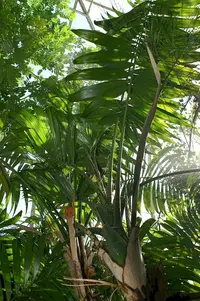
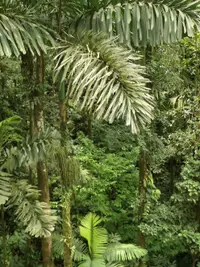
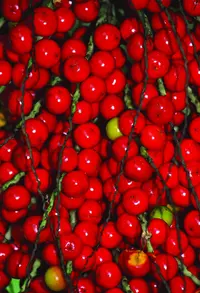
The cohune palm, Attalea cohune, is a large, solitary palm tree native to Central America and parts of Mexico. It forms a massive trunk topped with a dense crown of long, arching fronds. In suitable climates it develops slowly into a canopy-forming tree that can dominate a landscape, so it is not practical for small gardens or long-term indoor growing. This species prefers warm, frost-free conditions, sun to bright light, and consistently moist but well-drained soil. Its eventual size, slow growth, and need for stable warmth are the main factors that affect how to care for Cohune Palm successfully.

Care Difficulty
Hard Care

Light Preference
Full Sun

Water Requirements
Regular Water

Temperature Preference
Tropical / Frost Sensitive

Hardiness Zone
10–12

Soil Texture
Sandy, Loamy, Organic-rich

Soil pH
Acidic (5.5–6.5), Slightly acidic (6.5–7.0)

Soil Drainage
Moist but well-drained

Fertilization
Minimal (feed rarely)
Scan your plant to receive care tips personalized for your specific plant
Available on iOS and Android
This large tropical palm thrives in full sun once established but benefits from some protection when young.
This palm prefers consistently moist, deep soil but is sensitive to waterlogged conditions.
This tropical species needs warm conditions year-round and does poorly in cold climates.
This palm prefers moderately humid air but adapts to many home environments if not kept overly dry.
Attalea cohune needs deep, sharply draining yet moisture-retentive soil to support its large root system.
This species can be grown in containers when young or in cooler climates, but long-term sizing and weight become limiting.
This large palm benefits from light, consistent feeding in warm months but tolerates lean soil once established.
Pruning for Attalea cohune is mainly hygienic and structural rather than cosmetic.
Transplanting this deep-rooted palm requires planning, as it dislikes disturbance once established.
Propagation of Attalea cohune is almost always done from seeds and requires patience.
This tropical palm is very frost-sensitive and needs strong winter protection outside warm climates.

Plant Health Check
Not sure what's wrong with your plant? Check your plant's health inside the app.
The large nuts of this species contain an exceptionally high oil content that has been traditionally extracted for cooking, soap, and lamp fuel in parts of Central America.
Its massive leaf bases and tall columnar trunk help it survive and resprout after low-intensity fires, allowing the palm to persist in seasonally dry, fire-prone landscapes.
In suitable lowland habitats this palm can form almost pure stands, strongly shaping forest structure, light availability, and habitat for animals that feed on its fruits.

Archaeological and paleoecological studies show that pre-Columbian peoples actively managed and dispersed this palm, so some modern populations in Central America represent ancient human-influenced palm groves rather than purely wild forests.
Growth is slow to moderate. Young plants may add 15–30 cm of trunk per year in ideal tropical conditions. Over decades, this species can reach 15–20 m tall with a wide, imposing crown.
Keep your plants happy and healthy with plant identification, disease detection, and easy care guidance.