Rocky siting
Plant into or beside stable rocks or gravel pockets so the crown sits slightly elevated, which mimics its natural scree habitat and greatly improves winter survival.


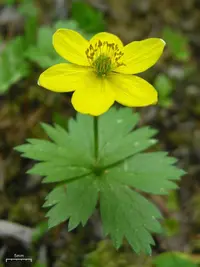
Little Belt Mountain thimbleweed (Anemone lithophila) is a compact, herbaceous perennial native to the rocky slopes of the Little Belt Mountains in Montana. It forms low clumps with finely divided leaves and delicate, pale flowers that often nod slightly on slender stems.
This plant is adapted to harsh, well-drained, often gravelly or rocky soils and a cool, dry summer climate. Its tolerance of poor, shallow soils is high, but it dislikes waterlogged conditions and hot, humid environments.
Because it comes from a specialized mountain habitat, it can be challenging to establish in typical garden beds. Gardeners who learn how to care for Little Belt Mountain thimbleweed usually grow it in rock gardens, troughs, or raised, sharply drained sites with good light and air movement.

Care Difficulty
Moderate Care

Light Preference
Full Sun

Water Requirements
Low Water

Temperature Preference
Cold Hardy

Hardiness Zone
3–6

Soil Texture
Sandy, Rocky, Loamy

Soil pH
Slightly acidic (6.5–7.0), Neutral (7.0)

Soil Drainage
Well-drained

Fertilization
Minimal (feed rarely)
Scan your plant to receive care tips personalized for your specific plant
Available on iOS and Android
This alpine anemone thrives in cool, bright sites with protection from intense midday sun.
This species prefers evenly moist but never saturated soil, especially during active spring growth.
This cold-adapted perennial handles low temperatures well but benefits from moderate summer heat.
Anemone lithophila handles a wide humidity range and rarely needs special adjustment in typical outdoor conditions.
This species needs lean, sharply drained, mineral-rich soil that mimics rocky mountain habitats.
This species can be grown in containers if the pot replicates its naturally rocky, fast-draining conditions.
Anemone lithophila is adapted to lean, rocky soils and usually needs no fertilizer in the garden.
Anemone lithophila needs only light pruning to keep plants tidy and flowering well.
This species is best grown in the ground; transplant carefully, as established plants dislike disturbance.
Propagation of this Little Belt Mountain thimbleweed is possible but slow and best done thoughtfully.
This cold-hardy species typically needs minimal winter care in most temperate climates.

Plant Health Check
Not sure what's wrong with your plant? Check your plant's health inside the app.
This species is naturally restricted to limestone and dolomite cliffs and outcrops in the Little Belt Mountains of Montana, showing a strong adaptation to thin, rocky soils with very low organic matter.
It forms tight, low cushions with short, dissected leaves that help it withstand wind exposure, high light, and rapid drying in its montane habitat.
The plant is considered a regional endemic, known only from a small area of central Montana, which makes wild populations sensitive to habitat disturbance.
This species forms small clumps and can slowly spread by short rhizomes and self-seeding, but it is not usually aggressive. Seedlings are easy to remove or relocate if they appear where they are not wanted.
Keep your plants happy and healthy with plant identification, disease detection, and easy care guidance.