


Early-season pinching
Pinch back the soft tips of young stems in late spring to encourage a denser, more wind-resistant plant with more flowering shoots later in the season.

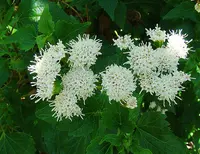
Ageratina glechonophylla is a small perennial herb in the daisy family, forming low, spreading clumps with fine stems and small, aromatic leaves. It typically bears clusters of tiny, white to pale flowers that give it a soft, delicate look in mixed plantings or naturalistic borders.
This species is native to parts of South America, where it often grows in open, somewhat moist habitats. It is generally undemanding if given well-drained soil and moderate moisture, though prolonged drought or waterlogging reduces vigor. Gardeners who care for Ageratina glechonophylla usually find it manageable if light, airflow, and soil moisture remain reasonably balanced.

Care Difficulty
Moderate Care

Light Preference
Partial Shade

Water Requirements
Moderate Water

Temperature Preference
Warm Climate

Hardiness Zone
Unknown

Soil Texture
Loamy

Soil pH
Slightly acidic (6.5–7.0)

Soil Drainage
Well-drained

Fertilization
Minimal (feed rarely)
Scan your plant to receive care tips personalized for your specific plant
Available on iOS and Android
This species prefers bright, gentle light similar to an open woodland edge.
Watering should keep the soil consistently moist but never saturated.
This plant grows best in mild, frost-free conditions.
This species prefers moderately moist air but adapts to a range of household humidity levels.
This plant thrives in loose, moist, well-drained soil that stays aerated yet never waterlogged.
This species can be grown successfully in containers outdoors when provided with stable, well-drained conditions.
Light feeding supports steady growth of Ageratina glechonophylla without forcing weak, lush foliage.
Thoughtful pruning keeps Ageratina glechonophylla compact, healthy, and flowering well.
This species is more often grown in the ground, but container plants benefit from occasional transplanting.
Gardeners usually propagate this plant vegetatively to maintain desirable traits.
This plant prefers mild, frost-free conditions and may need protection in colder regions.

Plant Health Check
Not sure what's wrong with your plant? Check your plant's health inside the app.
This species is native to rocky slopes and outcrops in southern Brazil, where it often anchors itself in shallow, well-drained crevices rather than deep soils.
Its small, opposite leaves resemble those of some mint relatives, and when crushed they release a light fragrance, which is reflected in the species name glechonophylla, meaning with leaves like Glechon (a mint genus).
The plant produces heads of small white flowers that open in late summer to autumn, providing nectar to local pollinators at a time when many other native species in its habitat have already finished flowering.
This species can form loose patches over time through short stems and self-seeding but is not usually strongly aggressive. In well-managed beds, occasional thinning and deadheading keep it within bounds and protect nearby smaller plants.
Keep your plants happy and healthy with plant identification, disease detection, and easy care guidance.

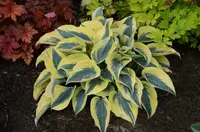
Hosta
Hosta Shadowland Autumn Frost
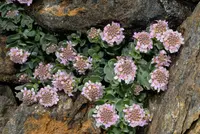
Aethionema thomasianum
Aethionema thomasianum
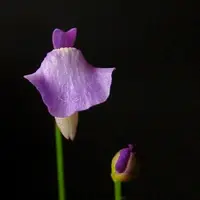
Tiny Bladderwort
Utricularia lateriflora
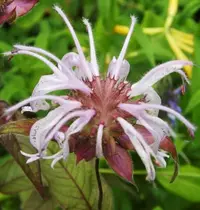
eastern beebalm
Monarda bradburiana
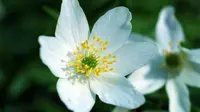
Anemonoides amurensis
Anemonoides amurensis
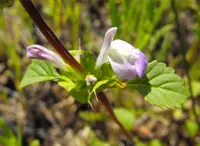
San Diego thorn-mint
Acanthomintha ilicifolia
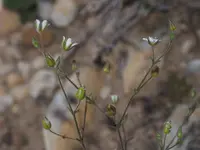
Arenaria modesta
Arenaria modesta
Allioni's Primrose
Primula allionii