Allioni's Primrose Care (Primula allionii)

Allioni's Primrose

About Allioni's Primrose

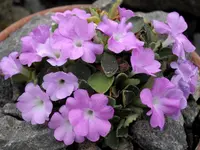
Allioni's primrose, Primula allionii, is a compact alpine perennial valued for its tight rosettes of leathery leaves and bright, early spring flowers. It typically forms small cushions that stay low to the ground, making it well suited to rock gardens and trough plantings.

This species is native to limestone cliffs and rocky ledges in the southwestern Alps, where it grows in cool, bright, and well-drained but moist conditions. Because it comes from harsh mountain habitats, it dislikes heat, waterlogging, and stagnant air, which can make it more challenging for beginners.

Understanding how to care for Allioni's Primrose starts with providing bright light, cool temperatures, and sharply drained, gritty soil that never stays soggy for long.

Main Plant Requirements

Care Difficulty

Hard Care

Light Preference

Partial Shade

Water Requirements

Moderate Water

Temperature Preference

Cold Hardy

Hardiness Zone

4–7

Soil Texture

Sandy, Rocky, Organic-rich

Soil pH

Acidic (5.5–6.5)

Soil Drainage

Well-drained

Fertilization

Light (every 4–6 weeks)

Get Personalized Care Plan

Scan your plant to receive care tips personalized for your specific plant

Available on iOS and Android

How to Care for the Allioni's Primrose

This alpine primrose needs bright, cool conditions with protection from strong midday sun.

  • Provide 3–5 hours of soft morning sun or filtered light, then bright shade for the rest of the day to protect Allioni's Primrose leaves.
  • In hot summers, give dappled shade under shrubs or shade cloth to avoid leaf scorch and flower bleaching from intense afternoon sun.
  • In winter, allow more direct light where possible, but avoid low sun magnified through glass that can overheat and dry the rosette.

This species prefers consistently moist but never waterlogged soil, especially during active growth.

  • Water when the top 1–2 cm of soil feels just dry, then moisten thoroughly so water drains quickly through the gritty mix.
  • Reduce watering in late summer dormancy and in winter, letting the top 2–3 cm dry, but do not allow the root ball to become bone dry.
  • Watch for yellowing, limp leaves as a sign of overwatering and root rot, and for dull, drooping foliage and shriveling rosettes as signs of underwatering in Primula allionii.

This alpine plant prefers cool conditions and struggles in prolonged heat or severe frost.

  • Aim for 45–60°F (7–16°C) during active growth, with short periods up to 65°F (18°C) if air stays moving and roots are cool.
  • Tolerates light frost down to about 20–25°F (-7 to -4°C) if well-drained and sheltered, but hard freezes and freeze–thaw cycles can damage crowns.
  • Protect from heat above 75–80°F (24–27°C) by providing shade, good airflow, and cool roots, or it may stop flowering and become stressed.

This alpine primrose prefers cool air with moderate humidity rather than a damp, enclosed atmosphere.

  • Aim for 40–60% humidity, avoiding both very dry heated rooms and persistently steamy spaces.
  • Dry air causes brown, crisp leaf edges and stalled buds in Allioni's Primrose.
  • Increase humidity with a nearby pebble tray or grouped pots, but keep foliage dry and avoid misting.

Primula allionii needs a sharply drained yet moisture-retentive mix that mimics gritty alpine scree.

  • Use a gritty mix such as 40% fine bark or leafmold, 40% horticultural grit or coarse sand, and 20% loam-based compost.
  • Ensure water drains through in seconds and never allow the pot or bed to sit in standing water.
  • Aim for slightly acidic to neutral pH around 6.0–7.0, avoiding strongly alkaline or saline conditions.
  • Improve aeration by adding extra grit or pumice if the mix feels dense or compacts after watering.

This species is well suited to container culture, especially in alpine troughs or small pots.

  • Choose a shallow but wide container to keep the root zone cool and prevent water from lingering in deep soil layers.
  • Use clay or other porous materials to let the mix dry evenly and stabilize the plant in windy, outdoor sites.
  • Raise the container on feet or blocks so drainage holes stay clear and excess water runs off quickly after rain or watering.

This alpine primrose benefits from light feeding during active growth but is sensitive to excess salts.

  • Use a low-strength balanced NPK fertilizer at 1/4–1/2 label rate for caring for Allioni's Primrose in containers.
  • Apply every 3–4 weeks in spring to early summer while plants are in active growth and bud formation.
  • Avoid rich compost or heavy slow-release pellets that keep soil wet and can burn fine roots.
  • Stop feeding in late summer and through winter dormancy, maintaining only careful watering.

Primula allionii needs minimal pruning, mainly to keep rosettes clean and flowering well.

  • In late winter to early spring, remove dead or yellowed leaves at the base with fine scissors or hand snips.
  • After flowering, trim spent flower stems close to the rosette to encourage a tidy plant and possible rebloom.
  • Gently thin out any crowded or rotting foliage to improve air flow around the crown and reduce disease risk.
  • Disinfect tools before use to avoid spreading fungal spores between plants.

This species prefers stable conditions and shallow containers, so repotting is infrequent and should be gentle.

  • Check for roots circling the pot drainage holes, slow growth, or rapidly drying soil as signs repotting is needed.
  • Plan to move Primula allionii into fresh, gritty mix every 2–3 years, ideally in late summer or early autumn.
  • Repot into only a slightly larger pot, keeping the crown at the same level and using a free-draining, low-nutrient medium.
  • Handle the root ball carefully, loosening the outer roots lightly and watering sparingly afterward to limit stress.

Primula allionii is usually propagated in small numbers, most often by careful division or from seed by experienced growers.

  • Divide mature clumps in late summer, keeping each offset with a good root portion and replanting into gritty mix.
  • Sow fresh seed on the surface of well-draining compost, as fine seeds need light to germinate.
  • Provide cool conditions around 50–59°F, consistent moisture, and good air flow for seed germination or new divisions.
  • Shade young plants from harsh sun and avoid overwatering while roots establish.

This alpine is cold tolerant when kept dry and well drained in winter, but wet cold quickly damages crowns.

  • In cold regions, shelter pots in an unheated greenhouse, cold frame, or bright porch to keep them cold but drier.
  • Ensure excellent drainage and avoid waterlogged soil, especially during freeze–thaw cycles.
  • Use a light gravel mulch around the crown to keep foliage off wet soil and reduce rot.

Care Tips

Alpine-style staging

Place pots in a shallow tray of coarse grit or small gravel up to the rim of the pot to keep the crown dry, improve drainage around the base, and mimic the plant’s natural rocky habitat.

Cool summer protection

In hot climates, move plants to a bright, airy spot that stays below 75°F in summer, such as a cold frame with the lights propped open, to reduce heat stress and extend plant longevity.

Targeted crown inspection

Inspect the tight rosettes frequently with a hand lens and remove any dead or rotting leaves with fine tweezers to prevent fungal issues from starting deep in the crown.

Controlled winter ventilation

If overwintered in a frame or greenhouse, ventilate briefly on dry, frost-free days to reduce condensation on the foliage while still keeping the root zone protected from excessive wet.

Precise repotting timing

Repot only after flowering, shifting into a slightly larger pot with fresh gritty mix and disturbing the roots as little as possible, which supports Primula allionii care without shocking the plant during active bud formation.

Common Pests and Diseases

Botrytis gray mold

This disease causes soft, water-soaked patches on leaves, flower stems, and buds that quickly develop a gray, dusty fungal growth. Symptoms include rapid collapse of dense rosettes, especially in cool, humid, poorly ventilated conditions.

Solution

Remove and discard all affected leaves and flower stems, then thin surrounding foliage or neighboring plants to improve airflow around the rosettes. Keep foliage dry, avoid overhead watering, ventilate alpine frames or cold houses, and in persistent cases use a targeted fungicide labeled for Botrytis on ornamentals, applied during cool, damp periods as directed.

Powdery mildew

This disease appears as a white to gray powdery coating on leaves and sometimes flower stalks, causing distortion and reduced vigor in tight Primula cushions. Symptoms include yellowing and premature leaf drop when air is stagnant and humidity fluctuates.

Solution

Remove heavily infected leaves and increase air circulation by spacing plants and ventilating frames or greenhouses. Avoid overhead watering late in the day, keep the rosettes dry, and if needed apply a sulfur-based or other labeled systemic mildew fungicide according to label directions, rotating products to limit resistance.

Aphids

These insects cluster on young leaves, stems, and flower stalks, sucking sap and causing distorted growth and sticky honeydew on the tight rosette. This pest is often attracted to soft spring growth in sheltered alpine frames or cold houses.

Solution

Squash or rinse off small colonies with a firm stream of water, taking care not to damage the rosettes, and remove any heavily infested flower stalks. For persistent infestations, use insecticidal soap or a horticultural oil spray labeled for ornamentals, applied thoroughly to leaf undersides and repeated as needed while monitoring beneficial insects when caring for Allioni's Primrose.

Spider mites

These pests are tiny sap-feeding arachnids that cause fine speckling, dulling, and bronzing of leaves, sometimes with fine webbing deep in the rosette. This pest thrives in warm, dry conditions, particularly under glass or in sunny, sheltered alpine houses.

Solution

Increase humidity around the plants without wetting the foliage excessively, and gently hose the rosettes from different angles to physically dislodge mites. If populations remain high, apply insecticidal soap or a light horticultural oil, ensuring thorough coverage into the crown, and repeat treatments at short intervals to target newly hatched mites.

Crown rot (Phytophthora/Pythium)

This disease causes the central rosette to become brown, mushy, and loose at the base, often starting from waterlogged or poorly drained grit around the crown. Symptoms include sudden collapse of previously healthy plants, especially after prolonged winter wet or warm, wet spells under protection.

Solution

Immediately discard affected plants and any adjacent heavily contaminated mix, then improve drainage with sharper grit, raised planting, or well-drained alpine compost. Water sparingly, avoid wetting the crown, protect from prolonged winter rain, and consider preventive drenches with an appropriate systemic fungicide in collections with a history of Phytophthora or Pythium problems.

Interesting Facts

High Alpine Specialist

This species is naturally restricted to limestone cliffs and ledges in the Maritime Alps of France and Italy, where it grows in narrow crevices with very thin, well-drained soil and long winter snow cover.

Tight Cushion Growth

It forms dense, low cushions of small, sticky, glandular leaves that help reduce water loss and protect against abrasive alpine wind and blown particles.

Early Snowmelt Bloomer

In the wild it typically flowers soon after snowmelt in late winter to early spring, taking advantage of cool, moist conditions and open light before surrounding alpine vegetation fully resumes growth.

Botan icon

Did you know?

Primula allionii is considered one of the more challenging and highly prized alpine primulas among specialist growers, and has been the focus of dedicated selection and breeding for show-quality forms since at least the early 20th century in European alpine gardening circles.

FAQs about Allioni's Primrose

Lack of blooms usually comes from plants being too warm in winter, insufficient light, or from overly rich, wet compost. This alpine species needs a cool rest period, sharp drainage, and a slight temperature drop to set flower buds.

Grow Healthy Plants with Botan Care

Keep your plants happy and healthy with plant identification, disease detection, and easy care guidance.

Botan plant care app — identify plants on mobile

Explore More Plants