Gold Rayed Lily Care (Lilium auratum)

Also known as: Golden Rayed Lily of Japan, Mountain Lily, Gold Band Lily, golden-rayed lily, Asiatic Lily
Gold Rayed Lily

About Gold Rayed Lily

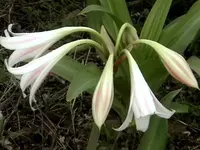
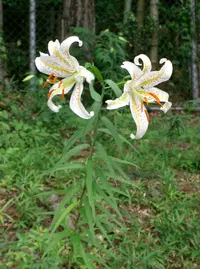
Gold rayed lily, Lilium auratum, is a bulbous perennial noted for its large, white, outward-facing flowers marked with golden bands and scattered crimson spots. It forms tall, upright stems with narrow green leaves arranged along the stem.

This species is native to mountain woodlands of Japan, where it grows in cool, well-drained, humus-rich soils. It is considered moderately challenging, as it dislikes waterlogging, extreme heat, and heavy disturbance of its bulbs.

Gardeners who learn how to care for Gold Rayed Lily usually focus on providing bright light, steady moisture, and fertile but sharply draining soil to support healthy flowering.

Main Plant Requirements

Care Difficulty

Hard Care

Light Preference

Full Sun

Water Requirements

Moderate Water

Temperature Preference

Cold Hardy

Hardiness Zone

5–8

Soil Texture

Sandy, Loamy, Organic-rich

Soil pH

Strongly acidic (4.5–5.5), Acidic (5.5–6.5)

Soil Drainage

Moist but well-drained

Fertilization

Moderate (every 2–4 weeks)

Get Personalized Care Plan

Scan your plant to receive care tips personalized for your specific plant

Available on iOS and Android

How to Care for the Gold Rayed Lily

This species prefers bright outdoor conditions with some protection from intense midday sun.

  • Provide 4–6 hours of direct morning sun, then light shade or filtered light in the afternoon to reduce scorch on leaves and flowers of the Gold Rayed Lily.
  • Site plants where tall shrubs, trees, or buildings cast dappled shade during the hottest hours, especially in summer and in hotter regions.
  • Watch stems and foliage: pale, weak, elongated growth signals too little light, while brown, crisp leaf edges indicate excess direct sun.

This bulb prefers consistently moist, well-drained soil without prolonged dryness or saturation.

  • Water when the top 3–5 cm of soil feels dry, soaking the root zone deeply and then allowing excess water to drain away from the bulbs.
  • Use loose, well-drained soil or raised beds so Lilium auratum bulbs do not sit in water, which increases risk of rot and fungal disease.
  • In spring and flowering season, monitor more often; in cooler or rainy periods, reduce watering and watch for yellowing, soft stems as a sign of overwatering, or drooping, dry foliage as a sign of underwatering.

This lily grows best in mild to warm summers with cool, dormant winters.

  • Aim for active growth in 65–80°F (18–27°C), with cool nights helping produce sturdy stems and well-colored flowers.
  • Protect bulbs and shoots from temperatures below 20°F (-7°C) by mulching 5–10 cm deep; sustained colder conditions may damage or kill unprotected bulbs.
  • During hot spells above 90°F (32°C), provide afternoon shade and maintain soil moisture, as heat stress can cause smaller flowers, leaf scorch, and shortened blooming.

This species prefers moderate ambient humidity but usually adapts to typical household levels.

  • Aim for 40–60% humidity to keep foliage and buds from drying, especially in heated homes.
  • Tolerates short dry spells, but leaf tips browning or buds shriveling indicate humidity stress.
  • Increase humidity locally with a pebble tray or grouping plants, avoiding misting directly on flowers to reduce disease risk.

Lilium auratum needs deep, evenly moist, free-draining soil to support large bulbs and tall stems.

  • Use a loose, loamy mix with 40–50% organic matter, such as composted bark or leaf mould, to retain moisture without becoming heavy.
  • Ensure rapid drainage by incorporating coarse sand or perlite, keeping the bulb above any waterlogged zone to prevent rot.
  • Target a slightly acidic pH of 5.5–6.5; avoid strongly alkaline or compacted soils that restrict root growth and nutrient uptake.
  • Improve aeration by raising beds or using tall containers so roots grow downward into cool, crumbly substrate.

This species is suitable for container growing when planted in tall, stable pots that protect its large bulbs and tall stems.

  • Choose a pot at least 30–40 cm deep so bulbs sit 10–15 cm below the rim, leaving room for a cool mulch layer on top.
  • Use a heavy, wide-based container or add stones at the bottom to prevent tipping from tall flowering stems and wind exposure.
  • Elevate the pot slightly on feet or bricks so drainage holes clear quickly, keeping lower substrate from staying saturated after rain or watering.

Lilium auratum benefits from moderate, consistent feeding during its active growth phase.

  • Apply a balanced slow-release fertilizer (around 10-10-10) or well-rotted compost in early spring as shoots emerge.
  • Supplement with a diluted balanced liquid feed at 1/2 strength every 3–4 weeks until flowering finishes.
  • Avoid high-nitrogen products that push soft, weak growth and reduce flowering quality in Gold Rayed Lily.
  • Stop fertilizing once foliage begins to yellow and die back, and do not feed dormant bulbs in winter.

Pruning Lilium auratum focuses on cleaning spent growth and preserving bulb strength.

  • Deadhead fading flowers in summer by cutting just below the bloom, leaving as much green stem and leaf as possible.
  • Remove only dead, diseased, or storm-damaged stems with clean, sharp pruners to limit infection risk.
  • Allow stems and foliage to yellow fully, then cut them back to ground level in late fall or early winter.
  • Avoid cutting green stems, since they photosynthesize and help rebuild bulb reserves for next year’s flowering.

Lilium auratum is usually grown in the ground, with transplanting done sparingly to avoid disturbing bulbs.

  • Transplant or divide clumps only when flowering declines, bulbs crowd, or growth weakens, typically every 3–4 years.
  • Choose late fall, after foliage has died back, so bulbs are dormant and less prone to transplant shock.
  • Lift bulbs carefully with a fork, keeping roots and basal plate intact, and discard any soft or diseased bulbs.
  • Replant bulbs promptly at 15–20 cm depth in well-drained soil, water lightly, and avoid heavy disturbance afterward.

Propagation of Lilium auratum is usually done by bulb division or scaling rather than by cuttings.

  • Divide mature clumps in late fall when bulbs are dormant, separating offsets with minimal damage to roots.
  • Use healthy outer bulb scales for scaling; place them in a barely moist, sterile medium at 60–70°F with bright, indirect light.
  • Maintain even moisture and good air circulation so small bulblets form at the base of each scale over several weeks.
  • Sow seeds in trays with free-draining mix, keep lightly moist and cool, and expect flowering only after several years.

Lilium auratum bulbs are fairly hardy in many temperate climates but benefit from simple winter protection, especially in colder regions.

  • In zones colder than about USDA 6, add a 5–10 cm mulch layer of leaves or bark over the bulb area after the ground cools.
  • Keep mulch loose so soil drains well and bulbs do not sit in waterlogged, freezing conditions.
  • For container-grown plants, move pots into a sheltered, frost-free but cool place, such as an unheated garage.
  • Do not water frequently in winter; keep the medium just barely moist to avoid bulb rot while dormant.

Care Tips

Secure Tall Stems

Place sturdy stakes when shoots reach 20–30 cm and loosely tie stems with soft garden ties at 2–3 points to prevent wind damage and stem snapping as the heavy flowers develop.

Mulch To Cool Roots

Apply a 5–8 cm layer of composted bark or leaf mold around, but not touching, the stems to keep the root zone cool, retain moisture, and reduce weed competition during the growing season.

Rotate Planting Sites

Replant bulbs to a fresh bed every 3–4 years, avoiding previous lily or tulip spots, to reduce buildup of soil-borne diseases and maintain strong flowering when growing Gold Rayed Lily.

Protect From Lily Beetles

Inspect plants at least weekly in spring and early summer, hand-pick bright red lily beetles and wipe off their dark larvae, then consider a labeled systemic or contact insecticide only if damage becomes severe.

Post-Bloom Deadheading

After flowering, cut off spent blooms just below the flower head but keep green stems and leaves until they yellow naturally so the bulbs can recharge and set strong buds for the next season.

Common Pests and Diseases

Lily beetle

This pest feeds on leaves, buds, and flowers, often leaving ragged holes and black smeared droppings on foliage. Symptoms include rapid defoliation and damage to unopened buds in late spring and summer.

Solution

Hand-pick and crush adults, larvae, and egg clusters regularly, checking the undersides of leaves daily in peak season. If infestations are heavy, use a neem oil or spinosad-based spray labeled for ornamental bulbs, applying in the evening and repeating as directed to protect beneficial insects.

Aphids

These insects cluster on young stems, buds, and the underside of leaves, sucking sap and causing distortion, sticky honeydew, and sometimes sooty mold growth. Infestations often flare up in warm, still weather when growth is soft and tender.

Solution

Wash colonies off with a strong but controlled stream of water, then follow up with insecticidal soap or neem oil on all plant surfaces, including leaf undersides. Encourage natural predators such as lady beetles and avoid excessive nitrogen fertilization that creates very soft growth.

Botrytis blight

This disease causes brown, water-soaked spots on leaves and petals that expand quickly in cool, damp conditions, sometimes covered with gray fuzzy mold. Symptoms include premature leaf yellowing, flower spotting, and collapse of affected tissue.

Solution

Remove and discard all infected leaves, flowers, and plant debris, and avoid overhead watering to keep foliage as dry as possible. Improve air circulation, space plants adequately, mulch soil to reduce splash, and use a labeled fungicide during prolonged wet periods if the problem persists as part of broader Lilium auratum care.

Basal rot

This disease attacks the bulb plate at the base, leading to soft, brown, and decaying bulb tissue and stunted or collapsing stems. Symptoms include poor emergence in spring, yellowing foliage, and bulbs that break apart or smell sour when lifted.

Solution

Lift and discard visibly infected bulbs and any surrounding rotted material, then improve drainage and avoid planting in heavy, waterlogged soil. Replant only firm, healthy bulbs in fresh, well-drained medium, rotating planting spots and avoiding injury to bulb scales during handling.

Lily mosaic virus

This disease produces yellow streaks, mottling, or broken color patterns on leaves and flowers, sometimes accompanied by stunted growth and reduced vigor. Symptoms include distorted foliage and irregular flower coloration that does not match the cultivar description.

Solution

Remove and destroy infected plants since viruses cannot be cured, and do not reuse bulbs from symptomatic lilies. Control sap-sucking insects such as aphids, disinfect cutting tools between plants, and purchase certified virus-free bulbs from reputable suppliers to prevent introduction of the virus.

Interesting Facts

Native to Japan’s mountains

This species occurs naturally on steep, well-drained slopes in Japan, especially in the volcanic soils of Honshu, where it experiences cool, snowy winters and mild, humid summers.

Strongly fragrant nocturnal flowers

Its large white flowers with yellow rays emit a powerful, sweet fragrance that becomes more intense in the evening and night, helping attract nocturnal pollinators such as moths.

Chemically protected bulbs

The bulbs contain bitter steroidal saponins, compounds that help deter many herbivores and soil pathogens, which may partly explain the plant’s ability to persist in challenging mountain habitats.

Botan icon

Did you know?

In Japan, this species is regarded as one of the most ornamental native lilies and has been used extensively in breeding modern large-flowered hybrid lilies, passing on its characteristic golden rays and strong fragrance to many popular garden cultivars.

FAQs about Gold Rayed Lily

Lack of flowers usually comes from bulbs planted too shallow, insufficient nutrients, or bulbs that were divided or moved recently. Allow foliage to mature fully each year, feed with a balanced bulb fertilizer, and avoid disturbing established clumps.

Grow Healthy Plants with Botan Care

Keep your plants happy and healthy with plant identification, disease detection, and easy care guidance.


Botan plant care app — identify plants on mobile

Explore More Plants