
Forest lily Care (Veltheimia bracteata)

Also known as: Forest Sandlily
Forest lily

About Forest lily

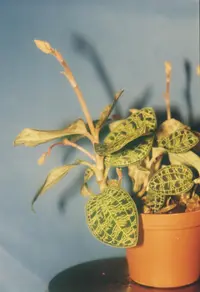
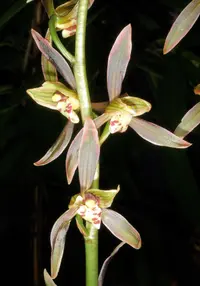
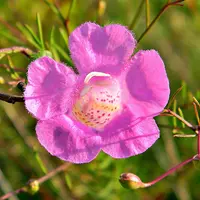
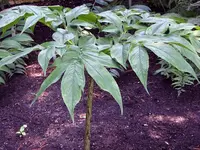
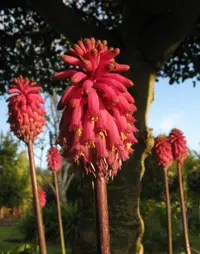
Forest lily, Veltheimia bracteata, is a bulbous perennial grown mainly for its showy, elongated flower spikes and glossy, wavy-edged leaves. It forms a low rosette of foliage, with thick, fleshy leaves that arch outward from a partially exposed bulb. In season, upright stalks carry clusters of tubular pink to rose flowers that give a soft, decorative look. This species is native to coastal areas of South Africa, where it grows in dry, rocky habitats with mild winters. It adapts well to containers and indoor settings, provided it receives bright, indirect light and well-drained soil. Its seasonal growth and rest period are important to understand when learning how to care for Forest lily.

Main Plant Requirements

Care Difficulty

Moderate Care

Light Preference

Bright Indirect Light

Water Requirements

Moderate Water

Temperature Preference

Tropical / Frost Sensitive

Hardiness Zone

10–11

Soil Texture

Sandy, Loamy, Organic-rich

Soil pH

Acidic (5.5–6.5), Slightly acidic (6.5–7.0)

Soil Drainage

Well-drained

Fertilization

Light (every 4–6 weeks)

Get Personalized Care Plan

Scan your plant to receive care tips personalized for your specific plant

Available on iOS and Android

How to Care for the Forest lily

Veltheimia bracteata prefers bright, gentle light that avoids harsh midday sun.

  • Provide 3–5 hours of soft morning sun with bright, filtered light for the rest of the day, such as under high shade or a sheer curtain.
  • Plant Forest lily where it receives partial shade, especially protection from strong afternoon sun that can scorch leaves and fade flowers.
  • In winter, when days are shorter, move plants to a brighter position; in summer, shift slightly deeper into shade if foliage shows pale, sun-stressed patches.

This bulb needs careful watering that follows its active growth and rest periods.

  • During active growth, water when the top 3–5 cm of soil feel dry, then soak thoroughly so water drains freely without pooling around the bulb.
  • Use sharply draining soil and a raised or sloped spot outdoors; persistent wetness, soft bulbs, yellowing leaves, or a sour smell suggest overwatering and possible rot.
  • As Veltheimia bracteata enters summer dormancy and leaves die back, reduce watering sharply, keeping the soil almost dry until new growth resumes in the cooler season.

This species favors mild, frost-free conditions with moderate seasonal changes.

  • Aim for 60–75°F (16–24°C) during active growth; stable, cool to mild temperatures support strong foliage and flower development.
  • Protect from frost; growth is damaged near 32°F (0°C), so in climates below 35–40°F (2–4°C) bulbs should be lifted, mulched deeply, or moved to a sheltered, cool spot.
  • Tolerates short spikes up to about 85–90°F (29–32°C) if shaded and kept slightly drier, but prolonged high heat with intense sun can scorch leaves and shorten the flowering period.

This bulb tolerates typical indoor humidity but benefits from moderate levels.

  • Aim for 40–60% humidity, avoiding very dry heated rooms during active growth.
  • Leaves curling at tips or browning edges can indicate air that is too dry.
  • Place the pot on a pebble tray with water or group Forest lily near other plants to slightly raise local humidity.

This species prefers a loose, fast-draining, organic-rich mix that never stays waterlogged.

  • Use a coarse mix of 40% peat- or coco-based potting soil, 30% perlite or pumice, and 30% fine bark or gritty sand for Veltheimia bracteata.
  • Ensure water drains through in seconds; if it pools on the surface, lighten the mix with more perlite or grit to improve aeration.
  • Keep pH slightly acidic to neutral, around 6.0–7.0, as strongly alkaline substrates can reduce nutrient availability.
  • Avoid heavy clay, straight garden soil, or mixes with high water retention that keep the bulb collar wet.

This bulb is well suited to container growing for both indoor and sheltered outdoor use.

  • Choose a pot only 2–4 cm wider than the bulb cluster so the roots feel confined, which supports reliable flowering.
  • Select a pot deep enough to hold the bulb with its neck just above the surface while allowing at least 8–10 cm of root space below.
  • Use a slightly heavier clay or ceramic pot to keep the top-heavy flowering stems from tipping in wind or when the medium is dry.

This bulb benefits from light, controlled feeding rather than heavy fertilization.

  • Use a balanced liquid fertilizer (around 10-10-10) at half strength every 4–6 weeks during active growth in fall and winter for Forest lily.
  • Apply to moist soil only, never onto dry bulbs, to avoid root burn.
  • Stop feeding when leaves yellow and the plant enters dormancy in late spring or summer.
  • Avoid rich compost or heavy slow-release pellets that can cause soft, weak growth.

Pruning Veltheimia bracteata focuses on hygiene rather than shaping.

  • In late spring, cut back yellowing or spent flower stalks at the base with clean, sharp scissors or pruners.
  • Remove dead, diseased, or damaged leaves whenever noticed to reduce fungal and pest issues.
  • Leave healthy green foliage intact, as it is needed to recharge the bulb for next season’s blooms.
  • Gently twist off completely dry leaves instead of tugging hard to avoid loosening the bulb.

This bulb prefers to stay slightly crowded and is repotted infrequently.

  • Check for roots circling the pot drainage holes, slow flowering, or bulbs pressing against the container as signs it needs more space.
  • Plan repotting every 3–4 years in late summer, just before new roots and leaves begin.
  • Use a pot only 2–3 cm wider, with free-draining mix, and keep the bulb neck at or just above soil level.
  • Handle bulbs gently, keep roots shaded and slightly moist, and water lightly after potting to reduce stress.

This species is most reliably increased by separating offsets from mature bulbs.

  • Divide bulb offsets in late summer or early fall when the plant is dormant and soil is dry.
  • Lift the clump carefully, detach firm, healthy bulblets with a clean knife if needed, and dust cuts with dry sulfur or cinnamon.
  • Replant offsets in well-drained mix with their tops just at soil level, spacing 5–8 cm apart.
  • Keep the mix just barely moist and provide bright, indirect light until new leaves show good establishment.

Cool-season growth and frost sensitivity make thoughtful winter management important.

  • In climates below 30°F, grow bulbs in containers and move indoors to a bright, cool room (50–60°F).
  • Outdoors in mild zones, mulch lightly around the pot or planting site to buffer temperature swings, but keep the bulb neck uncovered.
  • Avoid overhead watering in cold conditions to reduce rot on leaves and bulb.
  • During full dormancy, store dry potted bulbs in a cool, frost-free place with minimal disturbance.

Care Tips

Manage dormancy cycle

Allow foliage to yellow and die back naturally in late spring, then move the pot to a dry, shaded spot and keep the soil just barely dry until new growth appears in fall.

Rotate for even rosettes

Turn the pot 90° every 1–2 weeks during active growth so the leaf rosette develops symmetrically and the flower spike stands straighter.

Use heavy containers

Plant bulbs in a wide, weighty pot (ceramic or clay) and keep the bulbs clustered so the tall flower spikes are less likely to tip the container.

Post‑bloom grooming

After flowering, remove only the spent flower stalk at its base while leaving all healthy leaves to feed the bulb and improve next season’s blooms.

Summer storage check

During the dry rest period, inspect the bulbs monthly, discarding any that feel soft or show mold and repotting only firm, healthy bulbs before the next active season when caring for Forest lily.

Common Pests and Diseases

Mealybugs

This pest often appears on the leaf bases, flower stalks, and between bulb scales, especially on indoor plants kept over winter. Symptoms include cottony white clusters, sticky honeydew, and distorted or weakened foliage.

Solution

Isolate the plant, then wipe visible insects with cotton swabs dipped in 70% isopropyl alcohol and rinse the foliage and bulb area with lukewarm water. For heavier infestations, use a systemic insecticide labeled for ornamental bulbs or apply insecticidal soap thoroughly to leaf undersides and tight crevices, repeating every 7–10 days until no new insects appear.

Aphids

These insects are attracted to the soft flower stalks and young leaves, particularly during active growth and flowering. Symptoms include clusters of small green, black, or brown insects, curled leaves, and sticky honeydew around the inflorescence.

Solution

Spray the plant with a strong stream of lukewarm water to dislodge colonies, taking care around the flower spikes. If aphids persist, apply insecticidal soap or a neem oil spray to all above-ground parts, repeating at 7–10 day intervals and improving air movement around the plant to discourage reinfestation.

Narcissus bulb fly

This pest targets bulbs of related Amaryllidaceae and can also attack Veltheimia bulbs grown outdoors or stored improperly. Symptoms include sudden collapse of foliage, poor sprouting, and soft, tunneled bulbs with maggots inside.

Solution

Inspect bulbs regularly, discard any that feel soft or show tunneling, and use fine mesh or physical barriers over outdoor pots to keep adult flies from laying eggs near the bulb neck. For long-term protection, store dormant bulbs in well-ventilated, fly-proof conditions and avoid planting Veltheimia close to other susceptible bulbs like narcissus and hyacinth.

Basal bulb rot

This disease affects the base of the bulb where roots emerge, often after prolonged moisture or poorly drained substrates. Symptoms include yellowing leaves from the base upward, a foul smell, and soft, discolored tissue at the bulb base.

Solution

Remove the plant from its pot, cut away all softened tissue with a sterile blade, and dust the healthy remaining bulb with a dry fungicidal powder or ground sulfur before replanting in a sharply draining mix. Reduce watering, keep the plant in a brighter, warmer spot with good air movement, and always allow the potting mix to dry well between waterings to align with Veltheimia bracteata plant care needs.

Interesting Facts

Winter bloom strategy

This species naturally flowers in late winter to early spring in its native South African habitat, taking advantage of reduced competition from other flowering plants during the cool, moist season.

Bulb that dislikes drying

Unlike many geophytes that need a dry rest, this bulb retains its thick, fleshy leaves for much of the year and is damaged if kept completely dry for long periods.

Speckled evergreen leaves

Mature plants develop broad, glossy leaves with distinctive purplish speckles on the undersides, an identifying feature that helps distinguish it from other ornamental bulbs and is often noted in Veltheimia bracteata plant care guides.
Botan icon

Did you know?

In its native range along the South African coast, this species often grows in the filtered shade of evergreen shrubs in dune thicket and coastal forest, where its bulbs are naturally protected by a layer of leaf litter and sandy soil from both temperature extremes and physical disturbance.

FAQs about Forest lily

Lack of flowering usually comes from insufficient cool rest in autumn, low light during winter growth, or a pot that is too large. Allow a dry, cool rest, then resume gentle watering and bright light to trigger buds.

Grow Healthy Plants with Botan Care

Keep your plants happy and healthy with plant identification, disease detection, and easy care guidance.
Botan plant care app — identify plants on mobile

Explore More Plants