Facilitate Host Plants
Include low, shallow-rooted native grasses or forbs as nearby hosts, since this hemiparasitic species benefits from attaching its roots to other plants for extra water and nutrients.

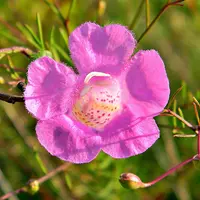
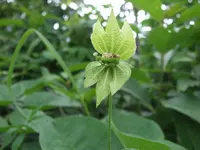
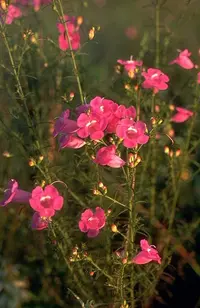
Seminole false foxglove (Agalinis filifolia) is a delicate annual wildflower native to sandy pinelands, prairies, and coastal areas of the southeastern United States. It forms slender, upright stems with very fine, threadlike leaves.
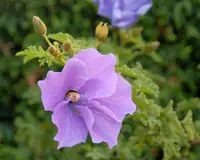
The plant bears small tubular pink to lavender flowers that bloom along the stems, giving a light, airy look. It is a hemiparasitic species, meaning its roots draw some nutrients from nearby plants, which can make it challenging to grow in traditional garden settings.
Those who want to care for Seminole false foxglove should mimic its natural habitat with open sun, well-drained sandy soil, and low to moderate fertility.

Care Difficulty
Hard Care

Light Preference
Full Sun

Water Requirements
Regular Water

Temperature Preference
Warm Climate

Hardiness Zone
8–11

Soil Texture
Sandy, Loamy

Soil pH
Acidic (5.5–6.5), Slightly acidic (6.5–7.0)

Soil Drainage
Moist but well-drained

Fertilization
Minimal (feed rarely)
Scan your plant to receive care tips personalized for your specific plant
Available on iOS and Android
This species prefers open, sunny habitats similar to its native coastal pinelands and wet prairies.
Moist but not stagnant soil supports healthy growth and flowering.
This plant is adapted to warm, mild climates with only brief exposure to cold.
This species is adapted to open, dry habitats, so humidity is rarely a concern in typical outdoor conditions.
Agalinis filifolia prefers open, sandy substrates that drain quickly and do not stay wet for long.
This species is generally unsuitable for long-term container culture but can be grown briefly in pots for restoration or short display.
This native wildflower typically needs little or no fertilizer in normal, low-nutrient soils.
Pruning Agalinis filifolia is minimal and mainly done to maintain appearance and plant health.
Transplanting this wildflower is done sparingly, as it prefers to establish once and remain in place.
Propagation of Seminole false foxglove is usually done from seed rather than vegetative methods.
This species is adapted to mild-winter climates and generally needs little dedicated winter care.

Plant Health Check
Not sure what's wrong with your plant? Check your plant's health inside the app.
Agalinis filifolia is a hemiparasitic plant that performs photosynthesis but also taps into the roots of nearby grasses and other herbs to obtain additional water and minerals through specialized structures called haustoria.
This species is naturally restricted to dry, sandy habitats near the Atlantic and Gulf coasts of the southeastern United States, often growing in open, seasonally wet flatwoods and coastal scrub where many competitors cannot tolerate the shifting, low-nutrient sands.
Agalinis filifolia completes its entire life cycle in a single growing season, relying on a persistent soil seed bank and disturbance events such as fire or mowing to reduce shading and create the open conditions needed for its seedlings to establish.

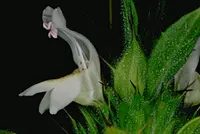
The flowers of Agalinis filifolia open for only a short time during the day, with individual blooms lasting just about a day, so a plant relies on producing many successive flowers over the season to achieve successful pollination.
This species is typically an annual wildflower. It germinates, grows, flowers, sets seed, and dies within a single growing season. Rely on new seedlings from dropped seed rather than expecting individual plants to persist multiple years.
Keep your plants happy and healthy with plant identification, disease detection, and easy care guidance.