Utricularia jamesoniana Care

Utricularia jamesoniana

About Utricularia jamesoniana

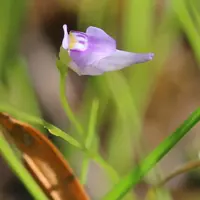
Utricularia jamesoniana is a small epiphytic carnivorous plant that often grows on mossy tree trunks or rocks in cloud forests of Central and South America. It forms delicate mats of fine foliage with tiny bladder traps that capture microscopic prey in water films.

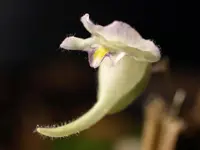
The plant produces small, showy flowers on thin stalks, which can be surprisingly colorful compared to its fine leaves. Its natural habitat is cool, very humid, and bright but sheltered from harsh direct sun.

Because it needs constant moisture, clean low-mineral water, and good air movement, it is more suitable for experienced growers. Those conditions make it important to understand how to care for Utricularia jamesoniana before attempting it indoors or in a terrarium.

Main Plant Requirements

Care Difficulty

Hard Care

Light Preference

Partial Shade

Water Requirements

Aquatic

Temperature Preference

Tropical / Frost Sensitive

Hardiness Zone

11–13

Soil Texture

Peaty, Organic-rich

Soil pH

Strongly acidic (4.5–5.5)

Soil Drainage

Waterlogged tolerant

Fertilization

Minimal (feed rarely)

Get Personalized Care Plan

Scan your plant to receive care tips personalized for your specific plant

Available on iOS and Android

How to Care for the Utricularia jamesoniana

This cloud-forest epiphyte prefers bright, gentle light rather than strong direct sun.

  • Provide 4–6 hours of bright filtered light, such as dappled shade under taller plants or shade cloth that softens midday sun.
  • Allow brief early-morning or late-afternoon sun, but protect from harsh midday sun that can scorch foliage and dry delicate traps.
  • In darker seasons or very shaded spots, increase brightness with light-colored surroundings or supplemental grow lights to support flowering and healthy growth.

This carnivorous epiphyte needs consistently damp conditions with very low mineral water.

  • Use rainwater, distilled, or reverse osmosis water, keeping moss or mounting medium moist at all times, never letting it dry out completely.
  • Water when the surface feels just barely less wet to the touch, increasing frequency in warm, bright weather and slightly reducing in cooler, darker periods.
  • Avoid standing water around roots for long periods; pale, limp leaves suggest underwatering, while blackened, mushy bases indicate chronic overwatering or poor aeration.

This species is adapted to mild, stable cloud-forest temperatures without strong seasonal extremes.

  • Aim for 65–80°F (18–27°C) for best growth, with stable humidity and gentle air movement to mimic its natural canopy habitat.
  • Protect from cold below about 50°F (10°C); short dips may be tolerated, but near-freezing temperatures can cause tissue damage or plant loss.
  • During hot spells above 85°F (29°C), increase humidity and shade, ensuring roots and moss stay cool and moist to reduce heat stress.

This epiphytic carnivorous species needs very high, stable humidity to thrive.

  • Maintain 80–100% humidity using an enclosed terrarium or greenhouse-style setup.
  • Dry air causes browned trap lobes, stalled growth, and shriveling foliage tips, especially near fans or heaters.
  • Increase humidity with covered trays of water, fine misting away from flowers, and by limiting air drafts rather than relying on room humidifiers alone.

This species prefers a very loose, water-retentive but air-filled medium rather than typical potting soil.

  • Use a fine, open mix such as long-fiber sphagnum with added perlite or live sphagnum moss to mimic its natural epiphytic conditions.
  • Ensure the medium drains freely yet stays constantly moist; avoid dense, compacted substrates that stay waterlogged and exclude air.
  • Aim for acidic conditions around pH 4.0–5.5, and never add fertilizers, compost, or lime, which can burn the sensitive roots and traps.
  • For Utricularia jamesoniana, avoid any soil with added nutrients, wetting agents, or bark fines that break down quickly, since these reduce aeration and encourage rot.

This small epiphytic bladderwort is suitable for container growing when moisture and air around the roots are carefully managed.

  • Choose a shallow, wide pot or mesh basket to spread the mat-forming growth rather than a deep container.
  • Line the container loosely with long-fiber sphagnum so the medium holds moisture while still allowing abundant airflow around the roots.
  • Use a plastic or glazed pot when slower evaporation is desired, or a slotted basket inside a tray system for very humid, high-airflow setups.

This epiphytic carnivorous species gains nutrients mainly from prey, so fertilization is minimal and must stay very weak to avoid root and leaf damage.

  • Use only highly diluted orchid fertilizer (about 1/8–1/4 strength) or dilute urea-free carnivorous plant formula in pure water.
  • Apply a light feed no more than every 4–6 weeks during active warm-season growth if the plant shows pale, weak foliage.
  • Avoid adding fertilizer directly to the potting mix; instead, use a gentle foliar spray or very light drench that drains freely.
  • Stop feeding in winter or cool, low-light periods, since Utricularia jamesoniana slows growth and excess salts can accumulate.

Light pruning keeps Utricularia jamesoniana tidy and encourages healthy new growth in its mat-forming foliage.

  • Best timing is during active growth in spring or early summer, when recovery is fastest.
  • Pinch or trim away dead, brown, or algae-covered stems and leaves to maintain airflow and reduce rot risk.
  • Thin crowded patches by removing older strands, which improves light penetration and supports fresh, vigorous growth.
  • Use fine scissors or small, sharp snips and make clean cuts without tearing the delicate stolons or bladders.

This small epiphyte prefers stable conditions; repotting focuses on renewing its airy, low-nutrient substrate rather than giving extra root space.

  • Repot every 1–2 years, or when growth slows, moss compacts, or the mat lifts away from its mount or basket.
  • Best time is spring to early summer, matching peak growth for faster recovery and reduced stress.
  • Prepare a fresh, loose mix such as finely shredded bark, sphagnum moss, and perlite kept nutrient-poor and consistently moist.
  • Gently lift and transfer the mat with as much attached substrate as possible, keep roots shaded and moist, and water thoroughly after repositioning.

Propagation of this species relies mainly on vegetative spread, as it forms fine stolons that root and branch under suitable humid conditions.

  • Divide small sections of healthy stolon mats in late spring or early summer, when plants grow most actively.
  • Place divisions onto fresh, moist sphagnum or similar epiphytic mix, maintaining 70–90% humidity and bright, indirect light.
  • Avoid burying the fine growth tips; just press them lightly onto the surface so bladders and leaves remain exposed.
  • Seed propagation is possible but slow and delicate, requiring consistently moist, nutrient-poor media and stable warmth for germination.

This tropical species is not frost tolerant and needs warm, humid, indoor conditions through winter in most temperate regions.

  • Maintain indoor temperatures around 65–80°F and avoid exposure below about 55°F to prevent tissue damage.
  • Move outdoor or greenhouse baskets indoors before first frost and place in bright, indirect light.
  • Keep the substrate just moist, never waterlogged, and maintain moderate humidity using trays or humidifiers.
  • Avoid cold drafts near windows and vents, as sudden temperature drops can weaken Utricularia jamesoniana and invite rot.

Care Tips

Mounting technique

Attach the plant to a rough, moisture-retentive surface such as cork bark or tree fern fiber using nylon fishing line or soft plastic ties, making sure the stolons and roots have close contact with the surface but are not crushed.

Water tray management

Place the mounted plant above a shallow tray of pure water so evaporation raises local humidity, but keep the mount itself just above the water line to avoid permanent waterlogging of the roots and stolons.

Airflow without drafts

Provide gentle, continuous air movement with a small fan on a low setting aimed past, not directly at, the plant to reduce fungal issues while still keeping the boundary layer of air around the leaves slightly refreshed.

Microfauna support

Introduce a small amount of living sphagnum moss or clean, pesticide-free peat from an established carnivorous plant setup to seed beneficial microorganisms and tiny invertebrates that can serve as natural prey.

Regular division strategy

Every 12–18 months, carefully divide and remount overgrown clumps into 2–3 sections to prevent the center from declining and to maintain vigorous, actively spreading growth when growing Utricularia jamesoniana.

Common Pests and Diseases

Mite infestations

These pests thrive in warm, still air around mounted plants and can damage leaves and stolons. Symptoms include very fine webbing, pale stippling, and gradual decline of foliage and traps.

Solution

Increase humidity with good air movement, then rinse foliage and mounting surface under a gentle stream of lukewarm water every few days to dislodge mites. If damage continues, use a dilute, carnivorous-safe miticide or insecticidal soap on non-submerged parts only, and keep the plant slightly cooler while it recovers as part of general Utricularia jamesoniana care instructions.

Snails and slugs

These pests are attracted to constantly moist sphagnum and can chew through delicate leaves, flower stalks, and stolons at night. Symptoms include irregular holes, missing tissue, and shiny slime trails on moss or mount surfaces.

Solution

Hand-pick snails and slugs in the evening using a flashlight and remove them from the growing area. For persistent problems, place copper tape barriers on terrarium edges, use small covered bait stations away from the plant, and reduce decaying organic debris where these pests hide.

Fungal leaf blight

This disease develops in stagnant, overly humid air and low light, causing brown, water-soaked spots that can spread quickly across leaves and stolons. Symptoms include soft, collapsing tissue and sometimes a thin gray or white fungal growth on dead areas.

Solution

Improve airflow around the mount, avoid water sitting directly on leaves for long periods, and remove all affected tissue with sterile scissors. If spread continues, apply a low-dose, broad-spectrum fungicide labeled safe for ornamentals, and keep light moderate and humidity still high but not stagnant.

Algal overgrowth

This problem occurs when bright light and constant moisture allow algae to coat sphagnum, cork, or other mounting materials. Symptoms include green, slick layers that smother the substrate and can weaken the fine roots and traps by limiting oxygen and gas exchange.

Solution

Reduce direct light intensity slightly, increase water changes if grown in a terrarium, and gently scrape or rinse away algae from the mount without tearing stolons. In severe cases, remount healthy plant sections onto fresh, clean sphagnum and improve water quality by using low-mineral, filtered, or distilled water.

Interesting Facts

Cloud-forest epiphyte

This species naturally grows as an epiphyte on mossy tree trunks and branches in tropical cloud forests, relying on constant mist and high humidity rather than soil for support.

Microscopic suction traps

Its tiny bladder traps, often less than 1 mm, create negative pressure and snap open in milliseconds to suck in protozoa and other microscopic prey suspended in water films around the plant.

Specialist of montane habitats

It is mostly restricted to cool, humid, high-elevation environments in Central and South America, where stable temperatures and frequent fog provide the wet, low-nutrient conditions it requires for long-term survival.

Botan icon

Did you know?

This species is one of the few carnivorous plants that can complete its entire life cycle while attached to living trees, functioning almost like an orchid in form while using carnivory to compensate for the nutrient-poor canopy habitat.

FAQs about Utricularia jamesoniana

Lack of flowers usually comes from insufficient humidity, light that is too weak, or temperatures outside its preferred cool–mild cloud-forest range. Stable, moist air and gentle air movement often restore blooming over the following season.

Grow Healthy Plants with Botan Care

Keep your plants happy and healthy with plant identification, disease detection, and easy care guidance.

Botan plant care app — identify plants on mobile

Explore More Plants