hiddenfruit bladderwort Care (Utricularia geminiscapa)

hiddenfruit bladderwort

About hiddenfruit bladderwort

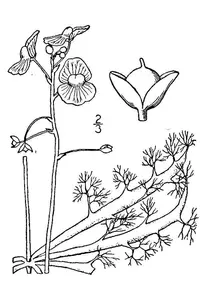
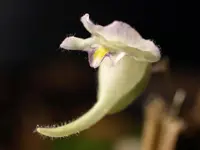
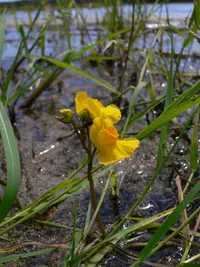
Hiddenfruit bladderwort (Utricularia geminiscapa) is a small, aquatic carnivorous plant that naturally grows in still or slow-moving freshwater like ponds and boggy pools. It forms fine, threadlike underwater stems with tiny bladder traps that capture microscopic aquatic animals, providing extra nutrients in low-mineral water. Floating stems often create loose mats, while small yellow flowers rise above the water surface on thin stalks in the growing season. This species occurs mainly in North America, especially in nutrient-poor, acidic wetlands. It can be challenging to grow in captivity because it requires clean, soft, low-nutrient water and stable conditions. Anyone learning how to care for hiddenfruit bladderwort should focus on water quality and avoiding competition from algae or vigorous aquatic plants.

Main Plant Requirements

Care Difficulty

Hard Care

Light Preference

Partial Sun

Water Requirements

Aquatic

Temperature Preference

Cold Hardy

Hardiness Zone

3–8

Soil Texture

Sandy, Peaty, Organic-rich

Soil pH

Strongly acidic (4.5–5.5), Acidic (5.5–6.5)

Soil Drainage

Waterlogged tolerant

Fertilization

Minimal (feed rarely)

Get Personalized Care Plan

Scan your plant to receive care tips personalized for your specific plant

Available on iOS and Android

How to Care for the hiddenfruit bladderwort

This aquatic carnivorous plant prefers bright, gentle light rather than intense, direct sun.

  • Provide 4–6 hours of sun, ideally soft morning sun with dappled or filtered light the rest of the day for hiddenfruit bladderwort.
  • Allow light shade at midday; in full, harsh sun the leaves may yellow, scorch, or algae growth may increase on the water surface.
  • In summer, protect from hot afternoon sun; in cooler seasons, ensure the site stays open enough that plants are not shaded out by taller vegetation.

This species naturally grows in shallow, still or slow-moving water, so moisture management focuses on water depth and quality rather than intervals.

  • Keep Utricularia geminiscapa in 5–30 cm of clean, low-nutrient, standing or very slow-moving water; the substrate should never dry out.
  • Watch plant density and color instead of a schedule: thinning, pale growth can suggest low water level or receding shoreline, while dark, rotting strands suggest stagnant, foul water.
  • In hot weather, top up evaporated water with rainwater or distilled water, avoiding fertilizer-rich runoff that encourages algae and weakens the plant.

This temperate aquatic bladderwort tolerates a broad range of outdoor temperatures when submerged.

  • Aim for growing-season water temperatures around 65–77°F (18–25°C), which support steady trap activity and vegetative growth.
  • Tolerates brief summer heat up to about 86°F (30°C) if water remains well-oxygenated; in very warm spells, slightly deeper or shaded water helps prevent overheating.
  • In winter, hardy populations survive down to near-freezing, around 32°F (0°C), but repeated hard freezes of shallow pools can damage or kill exposed plant material.

This aquatic carnivorous species prefers consistently high humidity to mimic bog and pond margins.

  • Aim for 70–100% humidity, which usually occurs naturally above water trays, ponds, or saturated containers.
  • Dry indoor air causes pale foliage, slow growth, and drying of floating or emergent stems in hiddenfruit bladderwort.
  • Increase humidity by keeping water levels high around the plant, using wide water trays, and grouping bog plants closely.

This species grows best in nutrient-poor, saturated media that mimic natural bog or shallow pond substrates.

  • Use a mix of 1:1 unfertilized peat moss and silica sand to create an acidic, low-nutrient, fine-textured medium.
  • Keep the medium waterlogged or just submerged; avoid any mix labeled with added fertilizer or wetting agents, which can burn traps.
  • Maintain pH around 4.5–6.0, as alkaline or limed substrates inhibit Utricularia geminiscapa growth and trap function.
  • Do not add compost, regular garden soil, or manure; these increase nutrients, reduce aeration, and encourage algae and rot.

This species is well suited to container growing, especially in water trays, tubs, or small ponds.

  • Choose a wide, shallow plastic or glazed container to maintain stable water levels and prevent rapid evaporation.
  • Use a pot without drainage holes set inside a larger tray so the planting medium stays permanently saturated but contained.
  • Select light-colored containers outdoors to reduce overheating of the water column and root zone in full sun.

This aquatic carnivorous plant gains most nutrients from captured prey, so hiddenfruit bladderwort needs little to no added fertilizer in typical hobby culture.

  • If growth is very weak in low‑prey setups, use a very dilute (1⁄8–1⁄4 strength) balanced aquatic fertilizer, never standard houseplant feeds.
  • Apply only during active growth in spring–summer, no more than every 4–6 weeks, and skip feeding in winter dormancy.
  • Dose the water column lightly rather than the planting substrate to avoid root and bladder damage and algae blooms.
  • Monitor water quality; high nutrient buildup harms Utricularia geminiscapa and benefits competing algae or non-carnivorous plants.

Pruning Utricularia geminiscapa focuses on keeping submerged growth healthy and preventing excessive tangling.

  • Trim away dead, browned, or decaying strands at any time using fine scissors to maintain water quality.
  • In late spring or early summer, thin crowded mats by removing sections from the outer edges to improve light and water flow.
  • Remove weak, pale shoots to encourage more vigorous growth and better flowering on remaining stems.
  • Avoid cutting too close to the base; leave several healthy nodes so the plant can branch and regrow quickly.

This free-floating or loosely rooted species is usually managed by transplanting clumps rather than traditional repotting.

  • Consider transplanting when growth forms dense mats, water circulation is reduced, or stems tangle heavily, slowing growth.
  • Best timing is in spring or early summer, when water temperatures are rising and plants resume active growth.
  • Every 1–2 years, thin and move portions into fresh, low‑nutrient media or open water areas instead of changing all substrate at once.
  • Handle strands gently, keep roots and bladders submerged during moves, and avoid sudden changes in water chemistry or temperature to limit stress.

Utricularia geminiscapa is commonly propagated vegetatively rather than from seed in home and hobby setups.

  • Use stem division: cut healthy, actively growing strands with multiple nodes and bladders attached.
  • Best season is spring–summer, when light is strong and water temperatures are stable.
  • Float or loosely anchor cut pieces in low‑nutrient, clean water with bright, indirect light to support new growth.
  • Avoid burying stolons deeply; gentle water movement and stable conditions encourage rapid establishment of new colonies.

This species is cold tolerant in its native range but still benefits from basic winter management, especially in containers.

  • In outdoor ponds in cold climates, plants often form hardy turions (overwintering buds) that sink and survive freezing water surfaces.
  • Leave some debris or a light mulch layer around shallow margins to buffer rapid temperature swings in small features.
  • For container culture in zones colder than the plant’s hardiness, move tubs to a cool, frost-free area (35–45°F) to maintain dormancy without ice forming through the root zone.

Care Tips

Use Shallow Trays

Grow colonies in wide, shallow trays or tubs so light penetrates the water column evenly and growth stays dense but accessible for maintenance.

Rotate Growth Sections

Periodically thin and relocate small mats of plants to fresh areas of the container to prevent self-shading and to maintain active, vigorous traps across the whole surface.

Control Organic Load

Remove fallen leaves, algae mats, and decaying plant pieces weekly so the water does not become oxygen-poor or foul, which quickly weakens this species.

Seasonal Cooling Rest

In climates with cold winters, move outdoor containers to a cool but unfrozen spot (35–50°F) for a few months to mimic natural dormancy and support long-term vigor when growing hiddenfruit bladderwort.

Use Live Companion Moss

Establish a thin layer of live sphagnum or other clean bog moss around the edges of containers to stabilize water levels, buffer pH, and reduce algal blooms without fertilizing the water.

Common Pests and Diseases

Algal overgrowth

Symptoms include dense green films or floating mats that compete with the plant for light and nutrients in nutrient‑rich, still water. This issue is common in outdoor tubs, ponds, or aquaria with excess fertilizer or organic waste.

Solution

Limit nutrient input, reduce direct intense sunlight if water is overheating, and increase water changes to dilute dissolved nutrients. Manually remove algae, shade part of the container, and if possible add gentle water movement or compatible grazers (such as small snails or daphnia) without disturbing the bladderwort traps.

Filamentous cyanobacteria

This disease appears as slimy, often blue‑green or dark strands coating stems and bladders, sometimes producing a musty odor. Growth is favored by stagnant, warm water with high dissolved nutrients and low oxygen.

Solution

Siphon or manually remove as much biomass as possible, then increase partial water changes and improve water circulation while maintaining soft, low‑mineral water. Reduce organic debris by skimming dead plant material, and consider short‑term shading to slow regrowth while the system stabilizes.

Aquatic snails

These insects... are not insects but small mollusks that graze on delicate leaves and traps, leaving ragged or missing segments. Damage is often noticed as sudden thinning of foliage, especially in confined containers or aquaria.

Solution

Physically remove snails by hand or with lettuce or vegetable bait traps, and regularly inspect new plants or pond materials before introducing them to the bladderwort habitat. Avoid copper‑based treatments in small, naturalistic setups, as these can stress or kill Utricularia tissues along with the snails.

Aquatic aphids

This pest colonizes emergent stems, flower stalks, and leaves at the water surface, sucking sap and causing distortion or stunting. Sticky honeydew and attendant ants may be visible around the infested areas.

Solution

Rinse infested shoots gently under a stream of clean, low‑mineral water or submerge affected stems briefly to dislodge aphids. In outdoor tubs, encourage natural predators such as lady beetles, and prune heavily infested flower stalks; avoid systemic insecticides because they can harm sensitive aquatic life and disrupt Utricularia geminiscapa plant care.

Interesting Facts

Specialized northern range

This species naturally occurs in cool-temperate regions of eastern North America, and unlike many other bladderworts it is often associated with northern glacial lakes and ponds with low nutrient content.

Floating threadlike turions

In autumn it forms compact overwintering buds called turions that detach and sink, then rise again and resume growth in spring, a strategy well adapted to freezing lakes.

Paired flower arrangement

The species name geminiscapa refers to its tendency to produce flower stalks bearing blossoms in pairs, a feature that helps distinguish it from some closely related aquatic bladderworts.

Botan icon

Did you know?

This species is one of the relatively few carnivorous plants that can form extensive free-floating mats in oligotrophic lakes, where its underwater bladders contribute measurably to local invertebrate predation pressure in otherwise nutrient-poor waters.

FAQs about hiddenfruit bladderwort

This species often skips flowering if light is low, water is too cool, or nutrients are excessive. Provide bright conditions, stable warmth, and soft, low‑mineral water. Once settled, it typically flowers in late spring or summer.

Grow Healthy Plants with Botan Care

Keep your plants happy and healthy with plant identification, disease detection, and easy care guidance.

Botan plant care app — identify plants on mobile

Explore More Plants