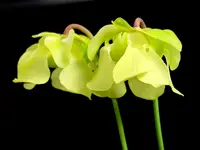
sweet pitcherplant Care (Sarracenia rubra)

sweet pitcherplant

About sweet pitcherplant

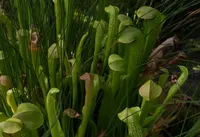
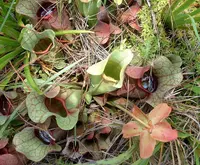
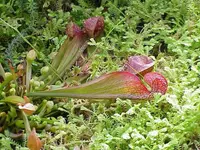
The sweet pitcherplant, Sarracenia rubra, is a North American carnivorous perennial that forms upright tubular leaves shaped like narrow pitchers. These pitchers trap insects, which the plant digests for nutrients.

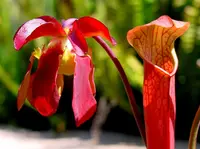
It naturally occurs in wet, nutrient-poor bogs and seepage areas in the southeastern United States. Plants usually grow in clumps and can form attractive stands of red-tinged pitchers.

This species prefers very bright light, consistently moist conditions, and low-nutrient, acidic substrates. Understanding these natural conditions is the basis of how to care for sweet pitcherplant and keep it healthy over time.

Main Plant Requirements

Care Difficulty

Moderate Care

Light Preference

Full Sun

Water Requirements

Aquatic

Temperature Preference

Cold Hardy

Hardiness Zone

6–9

Soil Texture

Sandy, Peaty, Organic-rich

Soil pH

Strongly acidic (4.5–5.5)

Soil Drainage

Waterlogged tolerant

Fertilization

Minimal (feed rarely)

Get Personalized Care Plan

Scan your plant to receive care tips personalized for your specific plant

Available on iOS and Android

How to Care for the sweet pitcherplant

This species needs abundant direct light to form strong, colorful pitchers.

  • Provide 6–8 hours of full sun daily; morning and midday sun are best, with light afternoon shade in very hot climates.
  • Sweet pitcherplant tolerates light partial shade, but stems become taller, weaker, and less colorful if sun drops below about 4–5 hours.
  • Outdoors, avoid deep shade from trees or buildings; in late fall and winter, shorter days are acceptable as growth slows and pitchers naturally decline.

This bog species needs consistently wet conditions rather than typical pot-plant watering.

  • Maintain soil that is saturated to very wet; do not let the root zone dry, even in the top 2–3 cm, during the growing season.
  • Use rainwater, distilled, or reverse-osmosis water; mineral-rich tap water can cause leaf burn, browning pitchers, and weak growth over time.
  • In winter dormancy, keep the soil damp to wet but not flooded; pale, floppy foliage often signals water stress, while sour odor and blackened rhizomes suggest rot.

This temperate carnivorous plant prefers warm summers with a cool winter dormancy period.

  • Aim for 70–85°F (21–29°C) in the main growing season; short spikes to 90–95°F (32–35°C) are tolerated if roots stay wet.
  • Winter dormancy needs prolonged cool conditions around 35–50°F (2–10°C); light frosts are tolerated, especially if rhizomes are insulated by mulch.
  • Prolonged hard freezes below 20°F (-7°C) can damage rhizomes, while sustained heat above 95°F (35°C) with stagnant, hot water can stress Sarracenia rubra and reduce pitcher quality.

This species prefers moderate to high humidity but adapts if roots stay wet.

  • Aim for 50–70% humidity, similar to humid outdoor air in many regions where sweet pitcherplant grows.
  • Plants tolerate brief dips to 30–40%, but leaf edges may brown and pitchers may dry faster.
  • Increase humidity by grouping pots in trays of rainwater or distilled water, keeping only the pot base standing in water.

This carnivorous bog species needs nutrient-poor, acidic, permanently moist soil.

  • Use a mix of 50% sphagnum peat moss and 50% coarse sand or perlite to mimic bog conditions.
  • Keep the substrate open and fibrous so water drains slowly but does not become compacted or anaerobic.
  • Maintain acidic conditions around pH 4.0–5.5; never add lime, fertilizer, or compost to Sarracenia rubra.
  • Avoid any mix with manure, regular potting soil, or slow-release fertilizer, which can burn roots and weaken pitchers.

This species grows very well in containers when moisture and depth are managed correctly.

  • Choose a deep pot, at least 20–25 cm, to accommodate the long rhizome and insulating layer of wet substrate.
  • Use light-colored plastic pots to reduce overheating and slow water loss from constantly wet soil.
  • Stand the container in a shallow tray of rainwater or distilled water to maintain a stable water table without flooding the crown.

This carnivorous species gains most nutrients from captured insects, so fertilizer use must be minimal and carefully controlled.

  • Avoid standard houseplant or slow-release fertilizers; they often burn roots and disrupt nutrient balance.
  • If growth is weak, apply a very dilute (1/4-strength) balanced liquid fertilizer to the soil only, never into pitchers.
  • Feed at most 1 time per month during active growth, then stop entirely during winter dormancy.
  • Ensure water is low in minerals (rainwater, distilled, or RO) to prevent fertilizer salt buildup in the sweet pitcherplant root zone.

Sarracenia rubra benefits from light, timed pruning to keep pitchers healthy and to support vigorous new growth.

  • Use clean, sharp scissors or pruners to cut brown, collapsed, or moldy pitchers at the base in late fall or very early spring.
  • Remove damaged, torn, or insect-chewed leaves during the growing season if they no longer trap well.
  • Thin out crowded old pitchers to improve light and air movement, which supports stronger new pitchers and better flowering.
  • Leave some green pitchers until they naturally decline so the plant can continue photosynthesis and store energy.

Container-grown plants need periodic repotting to maintain an airy, acidic medium and prevent root congestion.

  • Check for roots circling the pot, crowded rhizomes, or declining vigor as key signs Sarracenia rubra needs a larger container or fresh mix.
  • Plan to repot every 2–3 years in late winter or very early spring, just before strong new growth begins.
  • Use a nutrient-poor, acidic mix such as 1:1 sphagnum peat and perlite or sand, without compost or fertilizer beads.
  • Minimize root stress by keeping the rhizome at the same depth, working quickly, and watering thoroughly with rain, distilled, or RO water after potting.

This species is commonly propagated by division and from seed under controlled, consistently moist conditions.

  • Divide rhizomes of Sarracenia rubra in late winter or early spring, ensuring each piece has healthy roots and at least 1 growing point.
  • Plant divisions into fresh acidic medium and keep evenly moist in bright light with high humidity until established.
  • For seeds, provide cold stratification at 35–40°F for 4–6 weeks on damp sphagnum or paper towel in a sealed container.
  • Sow stratified seeds on the surface of nutrient-poor medium, keep constantly moist with pure water, and give bright light to encourage germination.

This temperate carnivorous plant needs a cool winter dormancy but usually tolerates normal outdoor conditions in suitable climates.

  • Dormant pitchers may brown and die back; leave them until late winter, then trim to reduce rot risk.
  • In zones colder than the plant’s typical range, add a 2–5 cm mulch layer around the pot or bog to insulate roots.
  • Move container plants to an unheated but frost-free or slightly frosty space (garage, cold frame) where temperatures stay around 35–45°F.
  • Ensure soil remains damp, not waterlogged or dry, during dormancy, using low-mineral water.

Care Tips

Winter dormancy setup

In cold regions, sink the pot into the ground or pack it in insulating mulch for winter so the rhizomes experience natural cold dormancy without repeated freeze–thaw damage.

Mineral-free water tray

Use a wide, shallow tray with rainwater or distilled water under the pot during the growing season so the roots stay consistently wet while still allowing occasional brief dry-downs of the soil surface to limit algae and moss buildup.

Bog pot layering

When potting, place a coarse sphagnum peat and sand mix at the bottom and a slightly finer mix near the top to keep roots well aerated while giving emerging pitchers a more stable, moisture-retentive surface.

Pitcher hygiene check

During the growing season, remove only collapsed or moldy pitchers at the base with clean scissors to improve airflow and reduce fungal issues while leaving firm, older pitchers to continue photosynthesis.

Outdoor insect support

If natural insect populations are low, position the plant near other low vegetation or flowering plants to attract small insects, which provides the necessary prey without adding fertilizer or manually feeding, an important part of caring for sweet pitcherplant.

Common Pests and Diseases

Pitcher aphids

This pest feeds on the soft tissues of pitchers and flower stalks, causing distortion, yellowing, and sticky honeydew that can encourage sooty mold. Infestations are most common on new growth in warm, sheltered conditions.

Solution

Rinse colonies off pitchers with a firm stream of water, then spot-treat remaining clusters with a dilute insecticidal soap or neem oil, keeping chemicals out of the pitcher fluid. For outdoor bog plantings, encourage natural predators like lady beetles and avoid high-nitrogen fertilizers that promote lush, aphid-prone growth.

Pitcher mealybugs

These insects hide in pitcher bases and crown crevices, appearing as white cottony masses and causing stunted growth and weak, deformed pitchers over time. Heavy infestations can stress plants and make them more susceptible to other problems.

Solution

Remove visible clusters with cotton swabs dipped in isopropyl alcohol, taking care not to spill alcohol into the pitchers. For persistent cases, use a systemic insecticide labeled for carnivorous plants at low concentration and repeat after 7–10 days, while isolating the plant from others.

Botrytis blight

This disease causes soft brown patches on pitchers and flowers that quickly develop gray, fuzzy mold, especially in cool, damp, stagnant air. Symptoms include rapid collapse of affected pitchers and spread to nearby tissue if not removed.

Solution

Prune and discard all infected pitchers and flower stalks, cutting back to healthy tissue and removing fallen debris from the pot surface. Improve air movement and reduce overhead watering, and if humidity remains high, apply a sulfur-based or other carnivorous-plant-safe fungicide as a preventative on nearby healthy pitchers.

Rhizome crown rot

This disease affects the rhizome at the soil line, causing a soft, brown, foul-smelling crown and sudden decline or collapse of pitchers. Symptoms include poor new growth in spring and easy separation of rotten rhizome tissue when pressed.

Solution

Unpot the plant, cut away all mushy, discolored rhizome with a sterile blade, and dust remaining healthy tissue with a fungicidal powder. Repot into fresh, clean, low-mineral medium (such as sphagnum peat and sand), keep the crown just above the water level, and maintain strong light and good air flow to support recovery.

Pitcher blackening from mineral burn

Symptoms include rapid blackening and death of pitchers starting at the tips or margins when plants are exposed to hard tap water or fertilized soil. This damage is common in cultivation because the species is highly sensitive to dissolved salts and minerals.

Solution

Immediately switch to rainwater, distilled water, or reverse-osmosis water and flush the pot thoroughly to leach accumulated minerals. Repot into fresh, unfertilized carnivorous plant mix if the medium has been contaminated, and keep future fertilizers and slow-release pellets away from the plant to support long-term Sarracenia rubra care.

Interesting Facts

Distinct sweet fragrance

The pitchers release a noticeable sweet, slightly fruity scent that helps lure specific small insects, especially ants and flies, into the tubes where they are digested.

Regionally variable forms

This species is divided into several recognized subspecies, each with distinct pitcher shapes, sizes, and coloration patterns adapted to local habitats across the southeastern United States.

Night-active nectar production

Unlike many carnivorous plants, it can secrete nectar along the pitcher lips and hoods even in low light and evening periods, which attracts nocturnal or crepuscular insects as prey.

Botan icon

Did you know?

Genetic and morphological studies show that this species can naturally hybridize with some other Sarracenia species in overlapping ranges, creating stable hybrid swarms that complicate field identification and conservation work.

FAQs about sweet pitcherplant

Lack of flowers usually comes from insufficient winter dormancy, inadequate light, or plants that are still immature. Strong seasonal temperature changes, full sun, and patience often restore flowering in this species over the next year or two.

Grow Healthy Plants with Botan Care

Keep your plants happy and healthy with plant identification, disease detection, and easy care guidance.


Botan plant care app — identify plants on mobile

Explore More Plants