Contain Spreading Habit
Use shallow root barriers or plant in a defined bed edge to stop rhizomes and self-sown seedlings from invading lawns or nearby planting areas.

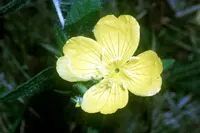
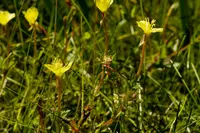
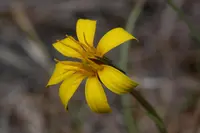
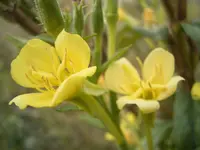
Meadow evening primrose, Oenothera pilosella, is a small, herbaceous perennial often grown in meadows, naturalized lawns, and informal borders. It forms low clumps of narrow, softly hairy leaves and sends up slender stems topped with soft yellow, four-petaled flowers that open mainly in the evening.
This species is native to parts of Europe and has naturalized in some temperate regions, where it thrives in open, sunny sites. It is generally undemanding, coping with poor, sandy, or gravelly soils and moderate drought once established.
These traits make it relatively easy to care for meadow evening primrose in low-maintenance gardens, provided it receives good light and reasonably drained soil.

Care Difficulty
Easy Care

Light Preference
Full Sun

Water Requirements
Low Water

Temperature Preference
Cold Hardy

Hardiness Zone
4–8

Soil Texture
Sandy, Loamy, Rocky

Soil pH
Slightly acidic (6.5–7.0), Neutral (7.0)

Soil Drainage
Well-drained

Fertilization
Minimal (feed rarely)
Scan your plant to receive care tips personalized for your specific plant
Available on iOS and Android
This sun-loving perennial performs best in open, bright sites with long daily exposure.
This species prefers dry to moderately moist soil and is sensitive to prolonged saturation.
This hardy perennial tolerates a broad temperature range typical of many temperate climates.
Humidity is not a significant factor for Oenothera pilosella, which thrives in dry, open conditions.
This species prefers lean, well-drained, sandy or gravelly soil that mimics dry meadow conditions.
This species can be grown in containers if the pot and substrate are managed for sharp drainage and stability.
This drought-tolerant perennial needs only light feeding, especially in poor soils, when caring for meadow evening primrose.
Oenothera pilosella benefits from simple, seasonal pruning to keep plants tidy and flowering well.
This species is more often transplanted in the garden than repotted, as it spreads to form low mats.
This plant is commonly propagated by division and seed, both straightforward methods for expanding plantings.
This hardy perennial usually needs minimal winter care in most temperate climates.

Plant Health Check
Not sure what's wrong with your plant? Check your plant's health inside the app.
This species occurs naturally from central to southeastern Europe, especially in dry, open grasslands and light woodland edges, where it prefers calcareous or sandy, well-drained soils.
Leaves and stems are covered in fine hairs, giving the plant a slightly rough, soft texture; these hairs help reduce water loss and protect tissues in its typically sunny, dry habitats.
The pale yellow flowers open toward evening and are mainly pollinated by nocturnal moths, a timing strategy that reduces competition for pollinators with daytime-flowering species.
This species spreads by self-seeding and short rhizomes, forming loose colonies over time. In well-prepared, open soil it can naturalize quickly, so use edging, deadhead spent flowers, or thin seedlings if you want tighter control.
Keep your plants happy and healthy with plant identification, disease detection, and easy care guidance.