


Use safety gear
Always wear gloves and long sleeves when cutting or dividing plants, as the milky sap can irritate skin and eyes; rinse tools and exposed skin with plenty of water immediately after contact.


Marsh spurge, Euphorbia palustris, is a hardy, clump-forming perennial grown mainly for its bright spring bracts and strong vertical stems. It typically reaches medium height and forms dense, upright mounds that stand out in mixed borders or near water features.
In the wild, it occurs in damp meadows, riverbanks, and marshy ground across parts of Europe and western Asia. This background explains its preference for consistently moist soil and full sun to light shade.
A resilient nature, good cold tolerance, and low maintenance needs make it relatively straightforward to care for Marsh Spurge, provided the soil does not dry out for long periods.

Care Difficulty
Moderate Care

Light Preference
Full Sun

Water Requirements
Aquatic

Temperature Preference
Cold Hardy

Hardiness Zone
4–7

Soil Texture
Loamy, Silty, Organic-rich

Soil pH
Acidic (5.5–6.5), Slightly acidic (6.5–7.0)

Soil Drainage
Waterlogged tolerant

Fertilization
Minimal (feed rarely)
Scan your plant to receive care tips personalized for your specific plant
Available on iOS and Android
Euphorbia palustris prefers consistently bright conditions with several hours of direct sun each day for sturdy, upright growth.
Euphorbia palustris naturally grows in moist habitats and benefits from consistently damp but not stagnant soil.
This species is a hardy perennial suited to temperate outdoor climates with cold winters and mild to warm summers.
This species tolerates a wide humidity range and rarely needs special humidity management.
Euphorbia palustris prefers consistently moist, humus-rich soil with reliable structure.
This species can be grown in large outdoor containers but needs careful moisture and stability management.
This moisture-loving perennial benefits from modest feeding on reasonably fertile soil.
Thoughtful pruning keeps Euphorbia palustris dense, healthy, and flowering well.
This species is usually grown in open ground, so focus on careful transplanting rather than frequent repotting.
New plants are typically raised by division or seeds rather than stem cuttings for Euphorbia palustris.
This hardy perennial tolerates typical temperate winters and usually needs only minimal care.

Plant Health Check
Not sure what's wrong with your plant? Check your plant's health inside the app.
This marshland species produces vivid yellow-green bracts in late spring that often appear brighter than the actual flowers, creating a striking color contrast along wet meadows and stream banks.
It naturally grows along rivers, ditches, and floodplains in Europe and has a root system adapted to periodically waterlogged soils, tolerating brief flooding better than many other ornamental euphorbias.
Flowering typically peaks in late spring, providing nectar and pollen for early-season bees, hoverflies, and other insects when many other perennial species in the same habitats are not yet in full bloom.
This species forms clumps and slowly expands outward by short rhizomes. It can spread over time in moist beds but is usually manageable with occasional division and edging, rather than being truly invasive in most gardens.
Keep your plants happy and healthy with plant identification, disease detection, and easy care guidance.

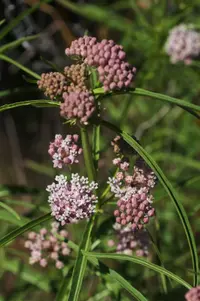
narrow-leaf milkweed
Asclepias fascicularis
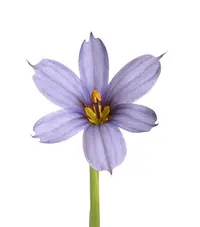
Narrowleaf blue-eyed grass
Sisyrinchium angustifolium
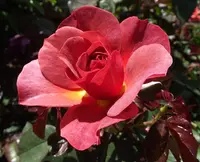
Rose
Rosa 'Cinco de Mayo'
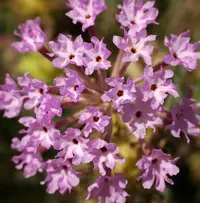
purple sand verbena
Abronia angustifolia
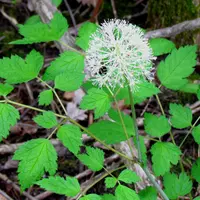
white baneberry
Actaea pachypoda

Common Bluebell
Hyacinthoides non-scripta
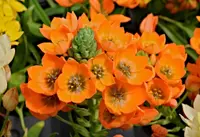
Yellow Chincherinchee
Ornithogalum dubium
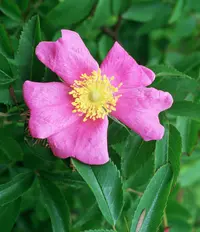
white prairie rose
Rosa foliolosa