


Control Spreading Habit
Install a sturdy root barrier or grow the plant in a large buried container where possible, and remove unwanted suckers or seedlings yearly to prevent this vigorous climber from invading nearby planting beds or natural areas.

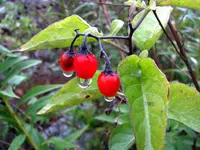
Solanum dulcamara, commonly called bittersweet nightshade, is a woody, scrambling vine or sprawling shrub in the nightshade family. It often climbs over fences, shrubs, or along stream edges.
Plants have slender stems, pointed leaves, and small star-shaped purple flowers with yellow centers, followed by bright red berries. It is native to Europe and Asia but is now widespread in North America, especially in moist, cooler regions.
Bittersweet grows best in sun to partial shade and prefers consistently moist, well-drained soils, which makes it vigorous and sometimes invasive. Understanding its fast growth and spreading habit is important if you want to care for Bittersweet responsibly in a garden setting.

Care Difficulty
Easy Care

Light Preference
Full Sun

Water Requirements
Keep Soil Moist

Temperature Preference
Cold Hardy

Hardiness Zone
4–8

Soil Texture
Loamy, Clay, Organic-rich

Soil pH
Acidic (5.5–6.5), Slightly acidic (6.5–7.0)

Soil Drainage
Waterlogged tolerant

Fertilization
Minimal (feed rarely)
Scan your plant to receive care tips personalized for your specific plant
Available on iOS and Android
This climbing shrub prefers bright outdoor conditions with some protection from intense midday sun.
This species prefers moist, not waterlogged, soil and responds best to steady, observable moisture cues.
This hardy perennial tolerates a wide temperature range but grows best in moderate conditions.
This species handles a wide range of humidity and usually does not need special humidity management.
This species prefers moist, structured soil that stays aerated yet never stagnant.
This plant can be grown in containers, mainly to confine its spread and control moisture around the roots.
This vigorous wild vine usually needs little feeding in garden soil but responds to light nutrition in poor or container substrates when caring for Bittersweet.
Pruning Solanum dulcamara helps contain its spread and maintain a manageable, flowering vine.
This species is usually grown in the ground, so care focuses on thoughtful transplanting rather than frequent repotting.
Solanum dulcamara is commonly propagated by seed and softwood cuttings, and can spread vigorously in suitable sites.
This vine is cold hardy in much of the US and generally needs minimal winter care once established outdoors.

Plant Health Check
Not sure what's wrong with your plant? Check your plant's health inside the app.
This species grows as a semi-woody, twining vine that can climb shrubs, fences, and other structures using its flexible stems, often forming dense tangles along waterways and hedgerows.
Its berries change from green to bright orange-red as they mature, often showing both colors on the same cluster at once, which makes the plant highly visible but all parts, especially the berries, are poisonous if eaten.
Leaves often show a mix of simple and lobed forms on the same plant, with some leaves having small basal lobes that give them a distinctive arrow-like or hastate outline.

The plant is a known larval food source for certain moth species, such as the engrailed (Ectropis crepuscularia), which feed on its foliage despite its toxic glycoalkaloids, illustrating a specialized adaptation to its chemical defenses.
All parts of this species contain toxic alkaloids. Berries are especially hazardous if eaten by children, dogs, or cats. Ingestion may cause vomiting, diarrhea, drowsiness, or neurological signs. Seek medical or veterinary help immediately if consumed.
Keep your plants happy and healthy with plant identification, disease detection, and easy care guidance.

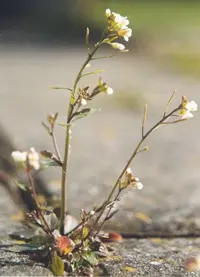
thale cress
Arabidopsis thaliana
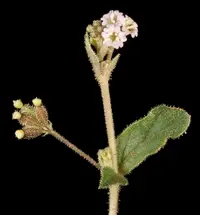
scarlet spiderling
Boerhavia coccinea
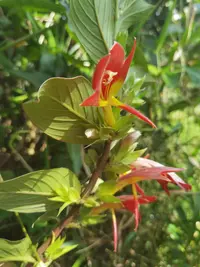
Columnea nicaraguensis
Columnea nicaraguensis
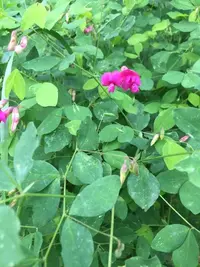
Rosy-flowered Everlasting-pea
Lathyrus roseus
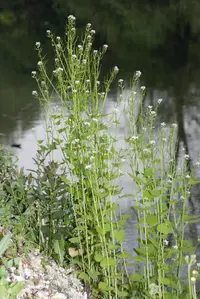
Garlic Mustard
Alliaria petiolata
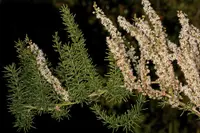
Sprenger's asparagus
Asparagus aethiopicus
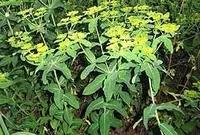
eggleaf spurge
Euphorbia oblongata
 POPULAR
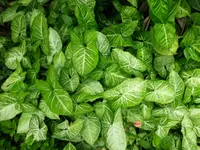
Arrowhead Vine
Syngonium podophyllum