thale cress Care (Arabidopsis thaliana)

Also known as: Thale Cress, wall cress
thale cress

About thale cress

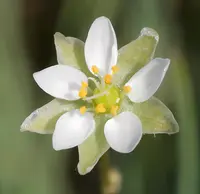
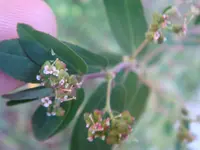
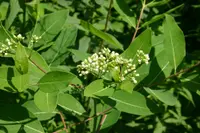
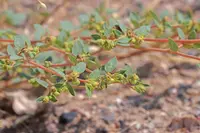
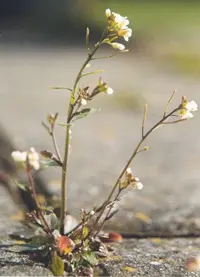
Thale cress, Arabidopsis thaliana, is a small annual herb in the mustard family often forming low rosettes with simple leaves and thin stems topped by tiny white flowers. In nature it grows in open, disturbed ground such as roadsides, fields, and rocky slopes across Europe, Asia, North Africa, and many introduced regions. It grows quickly, sets seed fast, and has a short life cycle, which makes it easy to handle and widely used in plant research. In gardens or pots it stays compact and unobtrusive, preferring bright light, modest moisture, and well-drained soil, and is generally simple to care for thale cress.

Main Plant Requirements

Care Difficulty

Moderate Care

Light Preference

Full Sun

Water Requirements

Moderate Water

Temperature Preference

Cool Climate

Hardiness Zone

6–9

Soil Texture

Sandy, Loamy, Organic-rich

Soil pH

Acidic (5.5–6.5), Slightly acidic (6.5–7.0)

Soil Drainage

Well-drained

Fertilization

Minimal (feed rarely)

Get Personalized Care Plan

Scan your plant to receive care tips personalized for your specific plant

Available on iOS and Android

How to Care for the thale cress

Arabidopsis thaliana grows best with consistent, moderate sunlight that avoids harsh extremes.

  • Provide 4–6 hours of direct morning sun plus bright light the rest of the day; in hotter regions, give light afternoon shade to prevent leaf scorch.
  • Plants tolerate light partial shade, but below about 3–4 hours of direct or strong filtered light daily, growth becomes weak and flowering is reduced.
  • In winter, when day length shortens, use the brightest outdoor spot; in summer, protect thale cress from intense midday sun, especially on reflective surfaces.

Arabidopsis thaliana prefers evenly moist but never waterlogged soil.

  • Water when the top 1–2 cm of soil feels dry, aiming for soil that is slightly moist below the surface rather than saturated.
  • Use freely draining soil so excess water runs off; yellowing, limp foliage often signals overwatering, while dry, drooping leaves that perk up after watering suggest underwatering.
  • In cooler seasons and during slower growth, let the surface dry a bit deeper before watering, while in hot, windy weather check moisture more frequently.

Stable, mild temperatures support steady growth and flowering in Arabidopsis thaliana.

  • Aim for 65–75°F (18–24°C) for active growth, which supports rapid development and seed production.
  • Plants tolerate down to about 40°F (4–5°C) for short periods, but hard frost below 32°F (0°C) can damage or kill tender foliage and young rosettes.
  • Short hot spells up to about 85–90°F (29–32°C) are tolerated if soil moisture is maintained, but prolonged heat can shorten the life cycle and reduce seed quality.

Humidity plays a minor role for Arabidopsis thaliana, which adapts well to typical indoor air.

Arabidopsis thaliana prefers light, fast-draining soil that does not stay wet for long.

  • Use a loose sandy or loamy mix with fine texture to support small, shallow roots.
  • Aim for slightly acidic to neutral pH around 6.0–7.0 to support balanced nutrient uptake.
  • Combine standard potting mix with 20–40% coarse sand or perlite to improve drainage and aeration.
  • Avoid compacted, heavy clay or waterlogged substrates, which quickly lead to root stress and stunted growth.

This species is well suited to container growing due to its small, shallow root system and compact size.

  • Choose a wide, shallow container to match the short root zone and allow uniform seedling spacing.
  • Ensure multiple small drainage holes so the thin roots do not sit in residual water films.
  • Use a rigid, non-flexing pot material to keep the fine soil structure stable during watering and handling.

Arabidopsis thaliana has low nutrient demands, so fertilizing should stay light and controlled.

  • Use a balanced liquid fertilizer (for example 10-10-10 NPK) at 1/4–1/2 strength for container-grown thale cress.
  • Apply every 2–3 weeks during active growth under long-day light, especially in soilless media.
  • Skip or greatly reduce feeding in winter or when plants are flowering and setting seed.
  • Avoid compost-heavy mixes or slow-release pellets that can oversupply nutrients in small pots.

Pruning Arabidopsis thaliana is minimal and mainly supports clean growth and seed management.

  • Use fine scissors or small snips to remove yellow, diseased, or damaged leaves at the base.
  • Trim spent flowering stems after seed collection to tidy plants and limit self-seeding.
  • Thin crowded seedlings by cutting extras at the soil line to improve airflow and light access.
  • Avoid heavy cutting of green rosettes, which can shorten the plant’s already brief lifecycle.

Transplanting Arabidopsis thaliana focuses on gentle handling, since roots are fine and shallow.

  • Move seedlings once they have 2–3 true leaves, before roots circle plug cells or trays.
  • Transplant in cool morning or evening, ideally in spring or under stable indoor conditions.
  • Use small, shallow containers or trays with well-drained mix; overpotting keeps soil too wet.
  • Water immediately after transplanting, keep soil evenly moist for 2–3 days, and limit direct intense light to reduce stress.

Most Arabidopsis thaliana propagation is done from seed due to its short lifecycle and abundant seed set.

  • Sow fresh or stored seed on the surface of moist, fine-textured seed mix; do not bury deeply.
  • Germinate in bright, indirect light at 68–72°F, keeping the surface evenly moist, not waterlogged.
  • Best results occur in controlled indoor conditions, such as growth chambers or bright windowsills.
  • Space or thin seedlings once true leaves appear to reduce competition and improve rosette development.

Arabidopsis thaliana is cool-tolerant but small plants benefit from basic winter protection in harsh climates.

  • In mild winters, overwinter rosettes outdoors in well-drained soil without heavy intervention.
  • In colder regions, mulch lightly around outdoor trays or beds to buffer freeze–thaw cycles.
  • Move small pots indoors to a cool, bright location before temperatures drop below about 25°F.
  • Maintain slightly drier soil in winter, avoiding both complete drying and prolonged saturation.

Care Tips

Staggered Sowing

Sow small batches of seed every 1–2 weeks so you always have plants at slightly different stages, which helps avoid losing all material at once to pests or a failed batch when growing thale cress.

Controlled Flowering Height

When plants start to bolt, reduce day length to 10–12 hours and give slightly cooler nights if possible to keep flower stalks shorter and less likely to flop or tangle.

Simple Stem Support

Group pots close together and run a low loop of soft string or plant ring around the rosettes so tall flowering stems lean inward and stay upright instead of lodging or snapping.

Clean, Labelled Trays

Use clean plug trays or shallow cell packs and label each sowing date and seed line clearly so you can track performance and discard older, declining plants on schedule.

Prevent Seed Drop

As siliques (seed pods) turn pale and dry, place a paper bag or fine mesh over the tops of plants to catch shattering seeds and avoid unwanted self-sowing between pots or trays.

Common Pests and Diseases

Downy mildew

This disease causes pale yellow angular spots on leaves that later develop gray to violet fuzzy growth on the underside, especially in cool, humid conditions. Symptoms include distorted leaves and slowed growth.

Solution

Remove and discard heavily infected leaves to reduce spore spread, and keep foliage as dry as possible by watering at soil level and avoiding overhead irrigation. Improve air circulation around plants, reduce humidity, and, if needed, apply a copper-based or phosphonate fungicide labeled for downy mildew, following local guidelines for small research or hobby plantings.

Powdery mildew

This disease produces white, powdery patches on the upper leaf surface, stems, and sometimes flower stalks, often under moderate humidity and poor air movement. Symptoms include reduced vigor and premature leaf yellowing.

Solution

Increase light and airflow, avoid overcrowding, and remove the most affected leaves to lower the spore load. For recurring issues, use a mild fungicidal spray such as potassium bicarbonate, sulfur, or horticultural oil, applied according to label directions for tender herbaceous plants.

Turnip mosaic virus

This disease leads to mosaic patterns, leaf mottling, deformation, and stunted growth, particularly when plants are exposed to aphid vectors. Symptoms include uneven leaf coloration and distorted rosettes.

Solution

Promptly remove and destroy symptomatic plants to limit viral spread, and control aphid populations through yellow sticky traps, gentle water sprays, or insecticidal soap. Avoid handling healthy plants after touching infected ones without washing hands and tools, and prevent cross-contamination by not reusing contaminated potting media.

Green peach aphid

This pest feeds on young leaves and flowering stems, extracting sap and causing curling, yellowing, and sticky honeydew deposits that can attract sooty mold. These insects reproduce quickly in warm, sheltered conditions and efficiently transmit several viruses.

Solution

Rinse plants with a firm stream of water to dislodge aphids, then spot-treat remaining colonies with insecticidal soap or neem oil, ensuring full coverage of shoot tips and leaf undersides. Limit nitrogen overfertilization, remove heavily infested tissue, and in small indoor setups use fine mesh or screen covers to reduce re-infestation, which supports consistent Arabidopsis thaliana care in research collections.

Fungus gnats

These insects occur mainly in potted plants with consistently moist media, where larvae feed on organic matter and fine roots, sometimes reducing vigor in seedlings. Symptoms include tiny black flies around pots and slow, uneven growth in young plants.

Solution

Allow the top 1–2 cm of substrate to dry slightly between waterings to disrupt larval development, and use yellow sticky traps to capture adults. For persistent problems, apply a biological control such as Bacillus thuringiensis israelensis (Bti) or beneficial nematodes to the potting mix, following label directions for small containers or trays.

Interesting Facts

Model for plant genetics

This species was the first plant to have its entire genome sequenced in 2000, and its small genome plus short life cycle make it a standard model for studying how plant genes control growth, development, and stress responses.

Rapid life cycle specialist

Under suitable conditions, it can complete its whole life cycle from seed to seed in about 6–8 weeks, which allows scientists to observe many generations in a short time when studying evolution and inheritance.

Natural variation powerhouse

Wild populations across Europe, Asia, and North Africa show strong genetic and physiological differences, so researchers use them to understand how plants adapt to different climates, soils, and daylengths.

Botan icon

Did you know?

This plant is so widely used in laboratories that international stock centers maintain tens of thousands of carefully catalogued seed lines, each carrying defined genetic changes, so researchers around the world can run comparable experiments and replicate one another’s results.

FAQs about thale cress

This species grows very quickly. Under favorable conditions, seeds germinate in a few days, and plants can flower in 4–6 weeks. The full life cycle from seed to seed often finishes within 6–8 weeks.

Grow Healthy Plants with Botan Care

Keep your plants happy and healthy with plant identification, disease detection, and easy care guidance.

Botan plant care app — identify plants on mobile

Explore More Plants