Broad-leaved Dock Care (Rumex obtusifolius)

Also known as: Bitter Dock, Round-Leaved Dock, Broadleaf dock
Broad-leaved Dock

About Broad-leaved Dock

Broad-leaved dock, Rumex obtusifolius, is a robust perennial herb often found in pastures, roadsides, and disturbed ground. It forms a deep taproot and a rosette of large, oval leaves.

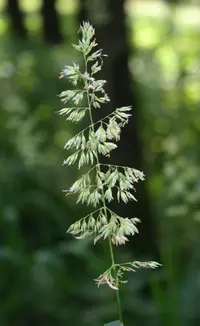
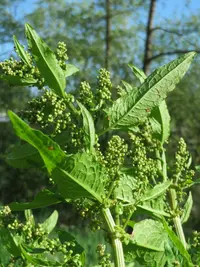
Plants produce tall, upright flowering stalks with dense clusters of small greenish to reddish seeds, allowing it to spread readily by seed. It is commonly seen as a weed but also valued in some traditional uses.

This species is hardy, adaptable to many soils, and tolerates compacted or nutrient-poor ground, which makes it easy to establish but harder to control. Those who want to care for Broad-leaved Dock should know it favors open, sunny to lightly shaded sites with consistent moisture but can survive short dry periods.

Main Plant Requirements

Care Difficulty

Easy Care

Light Preference

Full Sun

Water Requirements

Regular Water

Temperature Preference

Cold Hardy

Hardiness Zone

3–8

Soil Texture

Loamy, Clay, Organic-rich

Soil pH

Acidic (5.5–6.5), Slightly acidic (6.5–7.0)

Soil Drainage

Moist but well-drained

Fertilization

Minimal (feed rarely)

Get Personalized Care Plan

Scan your plant to receive care tips personalized for your specific plant

Available on iOS and Android

How to Care for the Broad-leaved Dock

Rumex obtusifolius grows best in open sites with consistent light exposure.

  • Provide full sun to light shade, with 4–8 hours of direct sun; morning sun with light afternoon shade helps prevent leaf scorch in hot summers.
  • Plant Broad-leaved Dock where it receives at least 3–4 hours of sun; dense shade reduces vigor, leaf size, and seed production.
  • In cooler seasons, full sun is suitable, but in hot climates use partial shade or filtered light during the hottest midday to late-afternoon hours.

Rumex obtusifolius prefers evenly moist soil but tolerates short dry periods once established.

  • Water when the top 3–5 cm of soil feels dry, aiming for moist, not saturated, conditions to support deep, resilient roots.
  • Ensure soil drains freely; persistent puddling, soft stems, and yellowing lower leaves indicate overwatering or poor drainage issues.
  • In hot, dry weather, monitor more often for wilting, dull or folding leaves, and cracked soil, which signal the need for a thorough soak.

This hardy perennial tolerates a wide temperature range and survives typical outdoor conditions in temperate regions.

  • Optimal active growth occurs around 60–77°F (16–25°C), with vigorous leaf production in cool to mild weather, especially spring and early summer.
  • Mature plants withstand cold down to about 5–14°F (-15 to -10°C); foliage dies back in hard frost, but roots usually overwinter and resprout.
  • Heat tolerance extends to about 86–95°F (30–35°C) if soil moisture is maintained; prolonged extreme heat with drought can stunt growth and dry leaf edges.

Humidity is not a major factor for Rumex obtusifolius, which adapts well to typical outdoor air levels.

Rumex obtusifolius prefers moist, fertile mineral soil with high organic matter and consistent structure.

  • Use a loamy soil with a mix of mineral particles and 20–30% well-rotted compost to support strong root growth.
  • Ensure moderate drainage; soil should stay evenly moist but never waterlogged, so avoid heavy compacted clay without amendment.
  • Aim for slightly acidic to neutral pH around 6.0–7.0, which supports nutrient availability and balanced growth.
  • Improve aeration and drainage by mixing in coarse sand or fine gravel where natural soil tends to stay soggy.

This species can be grown in containers, mainly for control or observation rather than ornamental use.

  • Choose a deep, heavy container to anchor the tall taproot and prevent the pot from tipping in wind.
  • Use a stable, wide-based pot so the spreading foliage does not make the container top-heavy as the plant matures.
  • Position the container where runoff cannot spread seedlings, since seeds dropping from the rim can colonize nearby soil.

Rumex obtusifolius is a tough wild perennial that usually needs no fertilizer in average garden soil.

  • In poor or very sandy soils, apply a light layer of garden compost around the plant in early spring.
  • If grown in a container, use a balanced slow-release fertilizer or diluted balanced liquid feed at 1/2 strength once in late spring.
  • Avoid high-nitrogen products, which encourage excessive leafy growth and can increase unwanted spreading.
  • Do not feed in late fall or winter, when growth is naturally slow or dormant.

Pruning Rumex obtusifolius focuses on containment and tidiness rather than shaping.

  • Cut back flower stalks in late spring or early summer before seeds mature to reduce self-seeding and spread.
  • Remove dead, damaged, or heavily chewed leaves at the base with sharp hand pruners to limit disease and improve appearance.
  • For heavy infestations, cut plants to ground level and dig out as much root as possible to reduce regrowth.
  • Wear gloves and use clean, disinfected tools to avoid transferring pests or pathogens between plants.

This species is usually grown in open ground, so care centers on transplanting rather than routine repotting.

  • Transplant young plants in early spring or early fall, when temperatures are mild and soil is evenly moist.
  • Choose a sunny to lightly shaded site with well-drained soil, loosening the planting area 15–20 cm deep.
  • Move the plant with as much root and surrounding soil as possible to limit damage to the strong taproot.
  • Water thoroughly after planting, then keep soil slightly moist for 1–2 weeks to reduce stress and support re-establishment.

Rumex obtusifolius spreads mainly by seed, so propagation is simple but requires control to avoid invasiveness.

  • Collect ripe brown seed clusters in late summer, then sow shallowly outdoors in fall or early spring.
  • Provide open soil and consistent moisture; seedlings emerge best in full sun to light shade with moderate disturbance.
  • For controlled division, lift small, young plants in early spring and split clumps, keeping a portion of taproot on each piece.
  • Monitor surrounding soil and remove unwanted seedlings promptly to prevent uncontrolled spread while you grow Rumex obtusifolius.

This hardy perennial needs almost no winter care in most temperate climates.

  • Foliar growth dies back after hard frost, while the root system survives in USDA zones roughly 4–8.
  • In very exposed or compacted sites, a thin mulch layer over the root zone can limit heaving from freeze–thaw cycles.
  • Container-grown plants benefit from moving pots to a sheltered, unheated area so roots do not freeze solid.

Care Tips

Targeted weed control

If this species starts to spread where it is not wanted, cut and remove flowering stems before seed set and dig out the central taproot with a narrow spade or hori-hori knife to prevent regrowth from root fragments.

Taproot harvesting timing

For medicinal or research use of the root, harvest taproots from 1–2-year-old plants in early spring or late autumn when top growth is minimal, then wash and dry them promptly to reduce rot and preserve constituents.

Leaf quality management

For higher-quality leaves, grow plants in a slightly less crowded stand and remove older, heavily insect-damaged leaves so newer foliage receives more light and air movement.

Soil seed bank reduction

To limit unwanted volunteer seedlings while still growing Broad-leaved Dock, collect and dispose of seed heads in sealed bags and lightly cultivate the top 2–3 cm of soil several times in late spring to disrupt newly germinated seedlings.

Slug and snail monitoring

Check the lower leaves and soil surface in the evening and after rain, hand-pick slugs and snails, and use simple barriers like copper tape around small beds or pots if leaf damage becomes persistent.

Common Pests and Diseases

Dock aphids

This pest forms dense colonies on stems, leaf undersides, and flower stalks, sucking sap and causing curling, yellowing, and distortion of leaves. Honeydew deposits can lead to sooty mold on heavily infested plants.

Solution

Cut back and dispose of heavily infested flower stalks, then spray remaining foliage with a strong jet of water to dislodge aphids. For persistent infestations, use insecticidal soap or a ready-to-use horticultural oil, making sure to coat leaf undersides and repeat every 5–7 days until populations drop.

Dock flea beetles

These insects chew small, round shot-holes through leaves, often giving broad-leaved dock a riddled or lace-like appearance. Damage is usually most visible on young foliage in spring and early summer.

Solution

Hand-pick adults when visible and remove heavily damaged leaves to reduce re-infestation. In small plantings, floating row covers can prevent beetles from reaching new growth, and a neem-based spray can help reduce feeding if applied to both leaf surfaces during active beetle periods.

Leaf spot

This disease produces brown to purplish circular or irregular spots on leaves, sometimes with pale centers and darker margins. Symptoms include premature yellowing and dropping of older leaves, especially in dense, damp stands of plants.

Solution

Remove and dispose of affected leaves to reduce spore spread and avoid overhead watering if cultivated nearby. Improve spacing and airflow and, if disease pressure is high in a managed patch, apply a copper-based or other labeled broadleaf-safe fungicide according to instructions as part of Rumex obtusifolius care.

Rust

This disease causes small, raised orange to brown pustules on the undersides of leaves, often opposite pale or yellow spots on the upper surface. Over time, heavily infected leaves may wither and die back early.

Solution

Cut and discard infected leaves and any heavily affected stems to lower the spore load, and do not compost if rust is severe. Encourage faster drying of foliage by reducing crowding and, in cultivated settings, apply a sulfur or copper fungicide labeled for rust on broadleaf weeds if recurring infections occur.

Interesting Facts

Dock leaf myth tested

The common belief that its leaves reliably relieve nettle stings has not been strongly supported by controlled scientific studies, and any soothing effect is likely due to cool moisture and gentle rubbing rather than a specific chemical antidote.

Specialist insect relationships

This species serves as a key host plant for several insects, including the dock leaf beetle Gastrophysa viridula, whose larvae feed almost exclusively on its foliage, making it important for certain invertebrate food webs.

Seed longevity in soil

Its seeds can remain viable for many years when buried in soil, contributing to the persistence of this weed in pastures and disturbed ground even after adult plants are removed.

Botan icon

Did you know?

Broad-leaved dock has evolved tolerance to moderately high soil concentrations of some heavy metals, allowing it to colonize disturbed or contaminated sites such as old industrial ground and roadside verges where more sensitive species fail to establish.

FAQs about Broad-leaved Dock

This species spreads very aggressively by wind-dispersed seeds and a strong taproot. Even small root pieces can resprout. Regular removal of flower spikes and deep digging of roots are essential parts of Rumex obtusifolius care in gardens or pastures.

Grow Healthy Plants with Botan Care

Keep your plants happy and healthy with plant identification, disease detection, and easy care guidance.

Botan plant care app — identify plants on mobile

Explore More Plants