Seedling Density Control
Thin overcrowded seedlings early, leaving 10–15 cm between plants so each root system can expand fully and the canopy dries faster after rain, which reduces fungal problems when growing Contura Creek Sandmat outdoors.

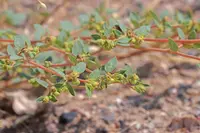
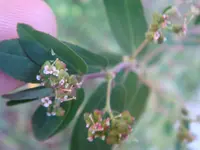
Contura Creek sandmat (Euphorbia ocellata) is a small, low-growing annual in the spurge family. It typically forms flat mats with many slender stems and tiny leaves close to the ground.
This species is native to western North America, often found in dry open areas, disturbed soils, and light, sandy or gravelly sites. Its small, eye-like floral structures are characteristic of spurges and add subtle interest.
It adapts well to poor, fast-draining soils and tolerates heat and drought once established, which can make it relatively undemanding in suitable climates. Those who care for Contura Creek Sandmat should note its preference for full sun and occasional light moisture rather than consistently wet conditions.

Care Difficulty
Easy Care

Light Preference
Full Sun

Water Requirements
Low Water

Temperature Preference
Warm Climate

Hardiness Zone
7–10

Soil Texture
Sandy, Loamy, Rocky

Soil pH
Slightly acidic (6.5–7.0), Neutral (7.0)

Soil Drainage
Well-drained

Fertilization
Minimal (feed rarely)
Scan your plant to receive care tips personalized for your specific plant
Available on iOS and Android
This small annual spurge prefers bright, open conditions with protection from harsh extremes.
This species is drought tolerant and prefers soil that dries between waterings.
This warm-season annual thrives in mild to hot conditions and is sensitive to hard frost.
This species handles dry indoor air well, so humidity is rarely a concern for Contura Creek Sandmat.
This plant prefers lean, fast-draining, sandy soil to prevent root rot and mimic its native habitat.
This species can be grown in containers if the pot and medium prevent prolonged root wetness.
This North American annual sandmat grows well in lean soils and usually needs minimal feeding.
Euphorbia ocellata needs only light, corrective pruning to keep plants tidy and healthy.
This small annual is usually grown in the ground, so care focuses on gentle transplanting rather than long-term repotting.
Propagation of Euphorbia ocellata is most practical from seed under the right seasonal and soil conditions.
This annual typically completes its life cycle before winter, so established plants need no special cold-season care.

Plant Health Check
Not sure what's wrong with your plant? Check your plant's health inside the app.
The subspecies Euphorbia ocellata subsp. ocellata often shows small, eye-like dark spots at the base of its leaves, which inspired the epithet ocellata, meaning little eyes in Latin. These markings are not present in all populations, making them a useful but not absolute field character.
Euphorbia ocellata naturally occurs in open, disturbed, or sandy sites, including stream banks, dry washes, and light soils across parts of western North America. Its low, spreading habit helps it stabilize loose substrates that are periodically disturbed by water or shifting sands.
Like many spurges, this species has dry seed capsules that split explosively when mature, flinging seeds a short distance from the parent plant. This ballistic seed dispersal reduces competition between the new seedlings and the mother plant.
The milky sap is irritating and potentially toxic if ingested, especially for cats, dogs, and small children. Contact can cause skin or eye irritation. Handle with gloves, avoid chewing, and seek medical or veterinary advice if exposure occurs.
Keep your plants happy and healthy with plant identification, disease detection, and easy care guidance.