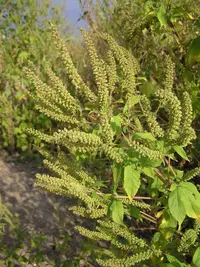
nodding spurge Care (Euphorbia nutans)

Also known as: eyebane
nodding spurge

About nodding spurge

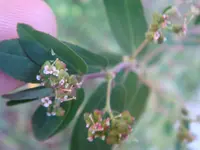
Nodding spurge, Euphorbia nutans, is a small, often sprawling annual herb in the spurge family. It typically forms low, branching mats with thin stems and small, oval leaves. Tiny greenish flowers with subtle reddish tones appear along the stems, giving a delicate, understated look.

This species is native to North and Central America and often appears in disturbed sites, fields, and garden edges. It is generally easy to grow where conditions are warm, with well-drained soil and moderate moisture.

For those who want to care for nodding spurge, its weedy, adaptable nature means it can establish quickly, so regular monitoring and basic maintenance are important in managed beds or containers.

Main Plant Requirements

Care Difficulty

Easy Care

Light Preference

Full Sun

Water Requirements

Low Water

Temperature Preference

Warm Climate

Hardiness Zone

7–11

Soil Texture

Sandy, Loamy, Organic-rich

Soil pH

Acidic (5.5–6.5), Slightly acidic (6.5–7.0)

Soil Drainage

Well-drained

Fertilization

Minimal (feed rarely)

Get Personalized Care Plan

Scan your plant to receive care tips personalized for your specific plant

Available on iOS and Android

How to Care for the nodding spurge

This sun-loving annual thrives in open, bright conditions with some protection from harsh extremes.

  • Provide 6–8 hours of direct sun daily, ideally with morning sun and light afternoon shade, especially in hotter regions.
  • Tolerates partial shade (3–4 hours direct sun) but stems of nodding spurge may stretch and flowering can decline in low light.
  • In cooler seasons, full sun is preferred; in midsummer, monitor for leaf scorch and use filtered light or nearby plants for slight shade if foliage pales.

This species prefers dry to slightly moist soil and is sensitive to excess water.

  • Allow the top 3–5 cm of soil to dry before watering again; in many outdoor situations this means waiting until the soil feels dry and loose rather than cool and damp.
  • During peak growth and hot weather, check soil every few days; in cooler or rainy periods, reduce watering to avoid soggy conditions and root issues.
  • Watch for yellowing, soft stems as a sign of overwatering, and limp, dull leaves or fine stem wilting as a sign the Euphorbia nutans needs water soon.

This warm-season plant grows best in consistently mild to warm outdoor conditions.

  • Aim for 70–85°F (21–29°C) for strongest growth and flowering, with stable temperatures during the main growing season.
  • Plant outdoors only after night temperatures stay above 55°F (13°C), since even light frost around 32°F (0°C) can severely damage or kill plants.
  • Tolerates short hot spells up to about 95°F (35°C) if soil is not waterlogged, but prolonged cold below 50°F (10°C) slows growth and can cause decline.

This species handles a wide humidity range and rarely needs special humidity control indoors.

  • Target 30–60% relative humidity, typical of most heated and air-conditioned homes.
  • Dry air rarely harms nodding spurge, but extreme drafts can increase leaf drop or tip browning.
  • If air is very dry, group plants together or place the pot on a pebble tray to slightly raise local humidity.

Use a fast-draining, sandy or loamy substrate to keep roots of Euphorbia nutans aerated and dry between waterings.

  • Choose a mix made from 50–60% commercial potting mix with 40–50% mineral material such as coarse sand, perlite, or fine grit.
  • Ensure the soil feels loose and crumbly so water drains within a few seconds and does not pool on the surface.
  • Aim for slightly acidic to neutral pH around 6.0–7.0, avoiding highly alkaline or saline conditions that can burn roots.
  • Avoid heavy clay, peat-heavy, or compacted soils that stay wet for long periods and promote root rot.

This species adapts well to container growing when drainage and root space are managed carefully.

  • Select a wide, shallow pot to accommodate its spreading habit while preventing excess wet depth around the roots.
  • Use a container material such as unglazed clay if extra evaporation is needed in humid or rainy climates.
  • Raise the pot slightly on feet or bricks so drainage holes clear surfaces and excess water escapes quickly after irrigation.

This wild Euphorbia nutans generally manages with poor soils, so use fertilizer sparingly for container or garden specimens.

  • Apply a diluted balanced liquid fertilizer (around 10-10-10 at 1/4–1/2 strength) every 4–6 weeks in spring–summer if growth seems weak.
  • Use a light top-dressing of compost instead of frequent synthetic feeding for in-ground plants.
  • Stop feeding in fall and winter to avoid soft, cold-sensitive growth.
  • Flush containers with plain water occasionally to prevent salt buildup from fertilizers.

Pruning Euphorbia nutans is mainly about light shaping and removing unhealthy material rather than heavy cutting.

  • Carry out pruning in late winter or early spring before vigorous new growth starts.
  • Remove dead, damaged, or crossing stems to improve air flow and reduce disease risk.
  • Shorten overly long or lax stems to keep a compact, tidy form.
  • Use clean, sharp scissors or hand pruners and avoid crushing the thin stems.

This species is more often a wild or bedding plant, so focus on gentle transplanting rather than frequent repotting.

  • Transplant in spring when soil is warming and plants are actively growing, which reduces stress.
  • Move plants if roots circle the pot, growth stalls, or soil dries extremely fast.
  • Shift to a container only 2–3 cm wider, using well-drained soil to prevent waterlogging.
  • Water thoroughly after transplanting Euphorbia nutans and shade for a few days to help roots reestablish.

Propagation of this annual-type Euphorbia nutans is most practical from seed rather than vegetative methods.

  • Collect ripe seed from late-season plants and store cool and dry until sowing.
  • Sow seeds in spring on the soil surface or barely covered, as light improves germination.
  • Keep the seed mix evenly moist at 65–75°F with good air circulation to prevent damping-off.
  • Thin or transplant seedlings once they have 2–3 true leaves, handling roots gently.

In most climates this species behaves as an annual, so overwintering is usually unnecessary.

  • In mild, frost-free areas, a light mulch layer can help roots of surviving plants through cool periods.
  • Container plants in colder zones can be moved into a cool, bright, frost-free space to extend their life briefly.
  • Avoid heavy winter watering; allow the top layer of soil to dry between light waterings.

Care Tips

Regular stem renewal

Cut back a portion of older, lax stems at the base every few weeks during active growth to encourage fresh, compact new shoots and prevent the plant from becoming too tangled or woody.

Prevent self-seeding

If you do not want this species to spread, remove and discard seed capsules as they form, checking every 1–2 weeks so you stay ahead of unwanted volunteers in nearby pots or beds.

Gentle handling precautions

Wear disposable gloves and avoid touching your face when pruning or repositioning the plant, then rinse tools under running water to reduce skin exposure to the irritating milky sap typical of Euphorbia species.

Low-input pest scouting

Inspect the undersides of leaves and the thinner stems every 1–2 weeks with a hand lens, and rinse off any early aphid or mite colonies with a firm stream of water before considering targeted insecticidal soap.

Container edge training

In pots or troughs, loosely guide stems to drape over the container edge rather than trail on the ground, which improves air movement around the foliage and makes caring for nodding spurge and cleaning fallen debris easier.

Common Pests and Diseases

Spider mites

This pest often develops on Euphorbia nutans in hot, dry conditions and can cause fine stippling, leaf yellowing, and delicate webbing on stems and undersides of leaves.

Solution

Rinse foliage thoroughly with a strong but controlled stream of water, then increase humidity around the plant and reduce heat stress; if needed, apply insecticidal soap or horticultural oil, repeating at 5–7 day intervals until no new mites are seen.

Aphids

These insects cluster on young stems, flower stalks, and leaf undersides, sucking sap and excreting sticky honeydew that can attract sooty mold.

Solution

Pinch or wash off colonies with water, then treat remaining insects with insecticidal soap or neem oil, ensuring full coverage of tender growth and repeating treatments as new generations appear.

Powdery mildew

This disease appears as white, powdery patches on leaves and stems, often developing when nodding spurge grows in crowded, humid, or shaded conditions.

Solution

Remove heavily affected leaves, improve spacing and airflow, avoid overhead watering late in the day, and apply a sulfur or potassium bicarbonate fungicide according to label directions if symptoms continue to spread.

Rust

This disease causes small yellow spots on upper leaf surfaces with rusty-orange pustules beneath, which can lead to premature leaf drop in dense stands of nodding spurge.

Solution

Remove and discard infected leaves, avoid overhead irrigation, thin or trim nearby vegetation to improve airflow, and use a labeled rust fungicide when conditions remain warm and humid and new pustules keep forming.

Stem canker

Symptoms include dark, sunken lesions on lower stems that may girdle and collapse sections of the plant, often following mechanical damage or prolonged wetness at the base.

Solution

Cut out and dispose of affected stems well below visible damage, keep the lower stems dry by reducing splash from watering, avoid injuring stems during weeding or maintenance, and rotate plantings or avoid replanting in heavily affected spots for at least 1–2 seasons.

Interesting Facts

Native range puzzle

Euphorbia nutans is believed to be native to tropical and subtropical parts of the Americas, but it is now so widespread and naturalized that its precise original range is difficult to reconstruct from field observations alone.

Drooping growth habit

The species name nutans refers to its nodding or drooping stems and inflorescences, which often arch over and trail along the ground, helping the plant sprawl through low vegetation and disturbed soil.

Weedy urban specialist

This plant is a common colonizer of disturbed habitats such as crop fields, roadsides, sidewalks, and building margins, and often behaves as an annual weed in urban and agricultural settings where soil is frequently disturbed.

FAQs about nodding spurge

The milky sap is irritating and mildly toxic if eaten. It can cause mouth discomfort, stomach upset, and skin or eye irritation. Keep it away from children and pets, and wear gloves when pruning or pulling.

Grow Healthy Plants with Botan Care

Keep your plants happy and healthy with plant identification, disease detection, and easy care guidance.

Botan plant care app — identify plants on mobile

Explore More Plants