Allegheny hawkweed Care (Hieracium paniculatum)

Also known as: Panicled Hawkweed
Allegheny hawkweed

About Allegheny hawkweed

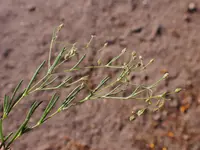
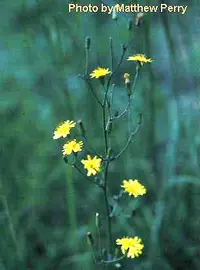
Allegheny hawkweed, Hieracium paniculatum, is a small, clumping perennial wildflower in the aster family. It typically forms loose colonies with slender stems and delicate foliage. Plants carry many small, pale yellow flower heads in open, airy clusters that give a light, fine texture in naturalistic plantings. It is native to eastern North America, where it grows in dry woodlands, open forests, and rocky slopes. This species prefers sun to light shade and tolerates relatively poor, well-drained soils, which makes it low maintenance in suitable sites. Understanding how to care for Allegheny hawkweed mainly involves matching its preference for lean, not overly moist conditions.

Main Plant Requirements

Care Difficulty

Easy Care

Light Preference

Partial Shade

Water Requirements

Moderate Water

Temperature Preference

Cold Hardy

Hardiness Zone

4–8

Soil Texture

Sandy, Loamy, Rocky

Soil pH

Acidic (5.5–6.5), Slightly acidic (6.5–7.0)

Soil Drainage

Well-drained

Fertilization

Minimal (feed rarely)

Get Personalized Care Plan

Scan your plant to receive care tips personalized for your specific plant

Available on iOS and Android

How to Care for the Allegheny hawkweed

This species prefers open, bright sites typical of woodland edges and clearings.

  • Provide 4–6 hours of direct morning sun with light or dappled shade in the hotter afternoon to mimic natural conditions for Allegheny hawkweed.
  • Plant in a position that receives at least bright, filtered light all day; dense shade reduces flowering and leads to weak, elongated growth.
  • In hot summers, protect from intense sun between 1–4 p.m. to prevent leaf scorch, especially in exposed, south-facing sites.

This plant prefers moderately dry to slightly moist soil rather than constant wetness.

  • Allow the top 3–5 cm of soil to dry before watering; in typical garden beds this often means waiting until foliage looks slightly less turgid but not wilted.
  • Use well-drained, sandy or loamy soil so water clears from the root zone within a few hours, helping Hieracium paniculatum avoid root rot.
  • During cool, rainy periods reduce or skip watering, while in hot, dry spells increase checks, watching for dull, drooping leaves as a sign it needs moisture.

This hardy perennial tolerates a wide temperature range typical of temperate climates.

  • Active growth is best around 60–75°F (16–24°C), with good performance in typical spring and early summer conditions.
  • Established plants usually survive down to about -20°F (-29°C) under mulch or snow cover, dying back above ground and resprouting in spring.
  • In hot summers above 85–90°F (29–32°C), growth may slow; provide soil mulch and occasional shade stress to limit heat stress and moisture loss.

This species tolerates a wide humidity range and rarely needs special humidity management.

  • Aim for ambient outdoor humidity around 30–60%, typical of most temperate gardens.
  • Dry air is usually tolerated, but prolonged hot, windy conditions can cause leaf edge browning and reduced flowering.
  • If plants show humidity stress, group them with other perennials or use a light mulch to reduce rapid soil moisture loss.

Hieracium paniculatum thrives in relatively lean, well-drained mineral soils.

  • Use a sandy or sandy-loam mix with modest organic matter, such as 2 parts garden soil, 1 part coarse sand, and 1 part compost.
  • Ensure fast drainage; water should infiltrate quickly and not pool on the surface after irrigation or rain.
  • A slightly acidic to neutral pH around 6.0–7.0 suits this species and supports balanced nutrient availability.
  • Avoid heavy clay, constantly wet, or highly enriched soils, which encourage weak, floppy growth and root problems.

This species can be grown in containers, though it performs more naturally in open ground.

  • Choose a wide, shallow container to accommodate its spreading root system and reduce the risk of it becoming pot-bound at the center.
  • Use a gritty, fast-draining medium so water runs through rapidly, limiting crown rot in wet weather.
  • Select a heavier pot material, such as terracotta or ceramic, to stabilize the plant against wind as the top growth elongates.

Hieracium paniculatum, or Allegheny hawkweed, typically needs minimal fertilization in average garden soil.

  • In lean or sandy soils, apply a light layer of compost in early spring to support moderate growth.
  • Use a balanced slow-release fertilizer (around 10-10-10) at half strength once in spring if plants appear weak or pale.
  • Avoid repeated summer feeding, which encourages floppy, overly lush growth and reduces drought tolerance.
  • Do not fertilize in late fall or winter, when the plant is naturally less active.

Pruning Hieracium paniculatum is mainly done to maintain a tidy clump and manage self-seeding.

  • Cut back spent flower stems in late summer to limit seed dispersal and encourage a neater appearance.
  • Remove dead, damaged, or diseased foliage whenever noticed using clean, sharp scissors or hand pruners.
  • Thin congested rosettes in early spring to improve air circulation and reduce foliar disease risk.
  • Shear back untidy growth by one-third after flowering to refresh foliage and maintain compact form.

This species is usually grown in the ground, so care focuses on transplanting rather than frequent repotting.

  • Transplant in early spring or early fall, when temperatures are mild and soil moisture is steady.
  • Move clumps when growth declines, flowering drops, or plants crowd neighboring species.
  • Dig widely around the root zone, lift the clump with as much soil as possible, and replant at the same depth.
  • Water thoroughly after transplanting, then keep soil lightly moist for 1–2 weeks to limit root stress.

Propagation of Hieracium paniculatum is straightforward through both seed and division.

  • Divide established clumps in early spring or early fall, lifting and splitting into smaller sections with healthy roots.
  • Replant divisions promptly in loose, well-drained soil and water well until new growth resumes.
  • Collect ripe seeds from dry flower heads, then sow on the soil surface, barely covering them.
  • Keep seed trays or prepared beds evenly moist and in bright, indirect light until germination.

This species is cold hardy in most temperate gardens and generally needs little specific winter care.

  • In colder regions, apply a light 3–5 cm mulch after the ground cools to stabilize soil temperature.
  • Allow top growth to die back naturally, then remove collapsed stems in late winter or early spring.
  • Container-grown plants in very cold areas can be moved to a sheltered, unheated space to limit freeze-thaw stress.

Care Tips

Manage Rhizome Spread

Install a shallow root barrier 10–15 cm deep around the planting area to prevent underground rhizomes from creeping into neighboring beds while still allowing the colony to naturalize in a controlled patch.

Timed Deadheading

Regularly remove spent flower heads before seeds mature to reduce self-seeding, maintain a tidier appearance, and direct more energy into root and leaf vigor for the following season.

Patch Rejuvenation

Every 3–4 years, lift and thin crowded clumps in early spring, discarding weak or woody sections and replanting only the youngest, most vigorous pieces to keep the stand dense but manageable.

Mimic Woodland Litter

Apply a thin, open-textured leaf mulch around the plants each autumn to replicate natural woodland litter, which helps conserve soil moisture, moderate temperature swings, and gradually improve structure without overfeeding.

Targeted Weed Suppression

Use a narrow hand hoe or soil knife to cut competing weeds at the soil surface rather than pulling deeply, which reduces root disturbance in established colonies and supports more stable stands when caring for Allegheny hawkweed.

Common Pests and Diseases

Powdery mildew

This disease causes a white, powdery coating on leaves and stems, often in late summer on plants in partial shade or crowded sites. Symptoms include distorted foliage and reduced vigor, but plants usually survive.

Solution

Remove and dispose of heavily infected leaves to reduce spore load, and avoid overhead watering so foliage dries quickly. Improve spacing and airflow, and if needed apply a sulfur or potassium bicarbonate fungicide labeled for ornamental perennials, following label directions carefully.

Leaf spot

This disease produces small brown to dark-purple spots on leaves, sometimes with yellow halos, especially in humid woodland or roadside habitats. Symptoms include premature leaf yellowing and drop on lower foliage.

Solution

Prune and remove affected leaves to limit spread and clean up fallen plant material at the end of the season. Reduce leaf wetness by watering at soil level and improving airflow; in severe recurring cases, consider a copper-based fungicide used preventively according to label instructions.

Aphids

These insects cluster on young stems and flower stalks, feeding on sap and sometimes causing curling or yellowing of leaves. This pest excretes sticky honeydew that can encourage sooty mold on nearby foliage.

Solution

Dislodge aphids with a strong stream of water or wipe them off by hand on small patches. Encourage natural predators such as lady beetles, and if needed apply insecticidal soap or a light horticultural oil, making sure to coat the undersides of leaves and repeat as necessary.

Leaf miners

These insects create pale, winding tunnels inside leaves as larvae feed between the leaf surfaces. Symptoms include thin, serpentine trails that can cause cosmetic damage but rarely kill the plant.

Solution

Remove and discard leaves showing fresh mines to break the life cycle and reduce future populations. For repeated problems in the same area, use floating row covers on young plantings or apply a systemic insecticide approved for ornamental use, targeting early larval stages.

Rust

This disease appears as small orange to brown pustules on the undersides of leaves, with yellowish spots visible from above. Symptoms include early leaf drop and a generally weakened appearance late in the season.

Solution

Remove and destroy infected leaves and volunteer hawkweed plants that may act as reservoirs.Improve site conditions with better airflow and full sun exposure when possible, and in persistent cases use a labeled rust fungicide in rotation to slow resistance development, following all safety guidelines for Hieracium paniculatum care.

Interesting Facts

Eastern woodland specialist

This species is native to eastern North American forests, where it typically grows in dry, open woodlands and along forest edges rather than in dense, deep shade.

Towering loose panicles

It produces many small yellow flower heads arranged in open, branching clusters called panicles, which give the plant a delicate, airy appearance compared with the more compact clusters of related hawkweeds.

Clonal and seedy spread

The plant often spreads both by seed and short rhizomes, allowing a single individual to form small patches over time in suitable woodland habitat.

FAQs about Allegheny hawkweed

This species spreads mainly by seed and short creeping rhizomes. In open, disturbed, or lightly managed areas it can form patches over time, but it is usually less aggressive than many invasive lawn or pasture weeds.

Grow Healthy Plants with Botan Care

Keep your plants happy and healthy with plant identification, disease detection, and easy care guidance.

Botan plant care app — identify plants on mobile

Explore More Plants