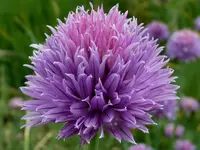
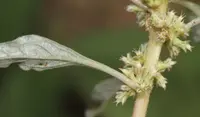
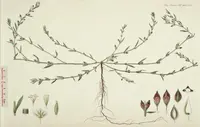
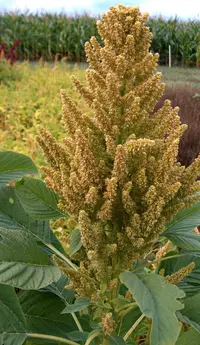
red amaranth Care (Amaranthus cruentus)

Also known as: Purple Amaranth, Mexican Grain Amaranth, Grain Amaranth
red amaranth

About red amaranth

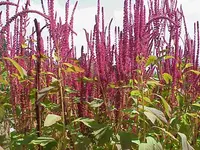
Red amaranth (Amaranthus cruentus) is a fast-growing annual plant valued for its vivid red foliage, seed heads, and edible leaves. It forms upright stems with broad, tender leaves and tall, plume-like flower clusters that can be highly ornamental in beds or borders.

This species likely originated in Central and South America and is now grown in many warm and temperate regions as both a decorative and leafy vegetable plant. It is generally considered easy to grow, as it tolerates heat, poor soils, and occasional dryness, which simplifies how to care for red amaranth.

The plant prefers full sun, moderately moist but well-drained soil, and benefits from protection from strong winds due to its tall, somewhat top-heavy growth habit.

Main Plant Requirements

Care Difficulty

Easy Care

Light Preference

Full Sun

Water Requirements

Regular Water

Temperature Preference

Tropical / Frost Sensitive

Hardiness Zone

9–11

Soil Texture

Sandy, Loamy, Organic-rich

Soil pH

Acidic (5.5–6.5), Slightly acidic (6.5–7.0)

Soil Drainage

Moist but well-drained

Fertilization

Moderate (every 2–4 weeks)

Get Personalized Care Plan

Scan your plant to receive care tips personalized for your specific plant

Available on iOS and Android

How to Care for the red amaranth

This warm-season annual prefers strong, direct light to build sturdy stems and intense leaf color for red amaranth indoor care.

  • Provide 6–8 hours of full sun daily; in hot climates, give morning sun with light afternoon shade to reduce leaf scorch.
  • Plants tolerate light partial shade (3–4 hours sun), but growth becomes taller, softer, and flower heads may be smaller.
  • Monitor midsummer conditions; in regions above 90°F (32°C), use filtered light or row cover during the harshest afternoon sun.

This fast-growing annual needs consistent moisture but is sensitive to waterlogged soil.

  • Water when the top 3–5 cm of soil feels dry, then soak the root zone thoroughly and allow excess to drain away.
  • Use well-drained soil or raised beds; yellowing, limp leaves and sour-smelling soil indicate overwatering and poor drainage.
  • In hot, windy summer weather, expect more frequent watering, while in cooler periods intervals lengthen; wilting at midday that recovers by evening usually signals mild, temporary dryness.

This warm-season plant grows best in stable, moderately hot conditions without frost exposure.

  • Optimal growth occurs at 70–85°F (21–29°C); seeds and young plants establish best once nights stay above 60°F (16°C).
  • Frost is lethal; avoid planting outdoors until all danger of frost has passed, and protect plants if temperatures threaten to drop near 32°F (0°C).
  • Mature plants tolerate short heat spikes up to about 95°F (35°C) if soil moisture is maintained, but prolonged extreme heat may slow growth and cause leaf scorch.

Humidity is not a critical factor for Amaranthus cruentus, which adapts well to typical outdoor air levels.

Amaranthus cruentus prefers loose, well-drained soil that supports fast root growth and steady moisture without waterlogging.

  • Use a loamy or sandy-loam soil with plenty of organic matter to balance moisture retention and drainage.
  • Aim for a slightly acidic to neutral pH around 6.0–7.0, adjusting with lime or sulfur only if tests show strong imbalance.
  • In beds or large containers, mix garden soil with compost and coarse sand or perlite at roughly 2:1:1 to improve aeration.
  • Avoid heavy, compacted clay or spots that stay wet for long periods, as this increases the risk of root rot and stunting.

This species is suitable for container growing when provided with enough root volume and stable support for tall stems.

  • Choose a deep, heavy container (such as thick plastic or ceramic) to prevent tipping as the plant gains height and biomass.
  • Select a pot diameter that allows at least 20–30 cm of surface area per plant, so roots and stems do not compete excessively.
  • Raise the container on pot feet or bricks so drainage holes stay clear and runoff water can escape quickly after heavy irrigation or rain.

Amaranthus cruentus responds well to modest feeding during its fast warm-season growth.

  • Use a balanced liquid fertilizer (for example 10-10-10) at half strength every 2–3 weeks once growth is active in late spring.
  • Alternatively, apply a thin layer of finished compost around the base at planting to support steady nutrient release.
  • For containers, a slow-release granular fertilizer mixed into the potting mix at planting can maintain nutrients through the season.
  • Stop feeding red amaranth in late summer to early fall so growth can harden and avoid soft, frost-tender tissue.

Pruning Amaranthus cruentus is mainly about tidiness and guiding flowering performance.

  • In mid to late summer, use clean, sharp scissors or hand pruners to remove dead, damaged, or diseased stems promptly.
  • Thin crowded interior stems to improve airflow and reduce foliar disease risk, especially in humid climates.
  • Pinch or cut back young shoots by 5–10 cm to encourage bushier growth and more flowering spikes if a fuller shape is desired.
  • Deadhead spent flower spikes before seeds mature if self-seeding in the bed is not wanted.

This species is usually grown as a direct-sown annual, but young plants transplant well with care.

  • Transplant seedlings outdoors after frost when they have 2–3 true leaves and roots lightly fill the starter cell without circling.
  • Move plants in the evening or on a cloudy day to limit transplant shock, and water thoroughly before and after transplanting.
  • Space plants 25–45 cm apart in loose, well-drained soil so roots can expand without frequent moving.
  • For container-grown plants, step up to a pot 2–5 cm wider only if roots circle the drainage holes or growth becomes noticeably slow.

Amaranthus cruentus is most commonly propagated from seed, which germinates quickly in warm conditions.

  • Sow seeds indoors 4–6 weeks before the last frost or directly outdoors after soil warms to about 65–75°F.
  • Press tiny seeds onto the surface or cover very lightly, since they germinate best with some light exposure.
  • Keep the seed tray or bed evenly moist, not waterlogged, and maintain steady warmth for 7–14 days until germination.
  • Once seedlings develop 2–3 true leaves, thin or transplant to final spacing to avoid weak, crowded plants.

This warm-season annual does not survive frost, so winter care focuses on clean removal and seed management.

  • In regions with frost, allow plants to finish their lifecycle, then cut stems at ground level after the first hard freeze.
  • Remove and compost healthy plant debris to reduce overwintering pests and foliar disease spores.
  • If self-sowing is desirable, leave some seed heads to dry on the plant, then let seeds fall naturally or collect for next year.
  • Container specimens in cold climates are typically discarded after frost and restarted from seed the following spring, following Amaranthus cruentus care instructions.

Care Tips

Staggered Succession Sowing

Sow small batches every 2–3 weeks rather than all at once so foliage harvest stays tender and continuous instead of the whole planting maturing and toughening at the same time.

Timed Pinching For Bushiness

Pinch out the main stem tip when plants reach 20–25 cm to encourage multiple side branches and more usable leaves and flower spikes, but stop pinching 4–6 weeks before expected frost to allow strong terminal panicles to form.

Targeted Wind Support

In windy sites, run a low horizontal string or mesh at 30–40 cm and again at 60–70 cm to support stems as they elongate, which reduces lodging and keeps flower and seed heads off wet soil.

Seed Head Harvest Timing

Check panicles frequently and cut them when the first 20–30% of seeds rub free easily by hand, then finish drying them in a breathable bag or tray indoors to avoid shattering in the field.

Rotation And Sanitation

Rotate planting areas at least every 2–3 years and remove crop residues promptly after harvest to lower pressure from leaf-chewing pests and foliar diseases when caring for red amaranth.

Common Pests and Diseases

Amaranth weevil

This pest feeds on leaves and developing seed heads, causing shot holes, skeletonized foliage, and reduced grain yield.

Solution

Handpick and destroy adults and larvae when numbers are low, remove plant debris after harvest, and rotate crops to non-amaranth species; in heavier infestations, use targeted insecticides labeled for weevils on leafy greens, applied in the evening and directed to the foliage and seed heads.

Leaf miners

These insects create pale, winding tunnels inside leaves, which can merge into larger blotches and reduce photosynthesis in young plants.

Solution

Remove and discard mined leaves as soon as damage is seen, encourage natural predators by avoiding broad-spectrum insecticides, and use fine insect netting over young plants to prevent adult flies from laying eggs on foliage.

Stem borers

This pest tunnels inside stems, leading to wilting, stunted growth, and sometimes stem breakage, especially in taller plants grown for grain.

Solution

Inspect stems for entry holes and frass, then cut and remove infested stems below the damage; destroy crop residues after harvest and avoid continuous planting of amaranth in the same bed to break the borer life cycle.

Leaf spot

This disease causes small, circular to irregular brown or tan lesions on leaves, sometimes with darker margins, which can merge and lead to premature leaf drop in humid weather.

Solution

Remove heavily spotted leaves, water at soil level rather than overhead, increase spacing for better airflow, and rotate crops; in persistent cases, apply a copper- or chlorothalonil-based fungicide labeled for leafy greens, following the pre-harvest interval carefully.

Downy mildew

This disease produces yellow to pale-green patches on upper leaf surfaces with a grayish to purplish fuzzy growth underneath, often spreading rapidly in cool, moist conditions.

Solution

Improve air circulation, avoid overhead watering, and water early in the day so foliage dries quickly; remove and discard infected leaves and use resistant or tolerant varieties when available, as well as crop rotation to non-Amaranthus crops for at least 2–3 years in badly affected beds.

Interesting Facts

Ancient grain crop

This species was domesticated as a grain in Mesoamerica thousands of years ago and was a staple food for Aztec civilizations, valued alongside maize and beans.

Pseudo-cereal seeds

Its tiny seeds are botanically fruits, not true cereal grains, but they are used like cereals and are notable for combining relatively high protein content with a good balance of essential amino acids.

Deep red pigments

The vivid red color in its leaves and inflorescences comes largely from betalain pigments, which are chemically distinct from the anthocyanins that color many other red ornamental plants.

Botan icon

Did you know?

In some traditional agricultural systems, this species has been described as both a crop and a volunteer companion plant, because it readily self-seeds and can reappear year after year in the same fields without deliberate replanting, effectively bridging the line between cultivated and semi-wild grain.

FAQs about red amaranth

Yes, this species is edible. Young leaves are used like spinach, and mature seeds are cooked as a grain. Always harvest from clean, pesticide-free plants and cook thoroughly if there is any concern about contamination.

Grow Healthy Plants with Botan Care

Keep your plants happy and healthy with plant identification, disease detection, and easy care guidance.

Botan plant care app — identify plants on mobile

Explore More Plants