Garden Celery Care (Apium graveolens var. dulce)

Also known as: Wild Celery, Cutting Celery, Leaf Celery, Smallage, Celeriac, Turnip Rooted Celery, Knob Celery, Root Celery, Celery-Root
Garden Celery

About Garden Celery

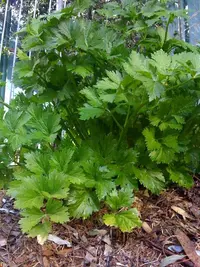
Garden celery, Apium graveolens var. dulce, is a cool-season biennial usually grown as an annual vegetable for its crisp, aromatic stalks and fresh-tasting leaves. Plants form a rosette of ribbed leaf stalks with divided, bright green foliage. In the second year, if allowed, they send up tall flowering stems.

The species originates from marshy, coastal regions of Europe and the Mediterranean, so it is naturally adapted to moist, fertile soils. It is considered moderately challenging, mainly because it dislikes drought, heat stress, and irregular moisture.

Consistent moisture, rich organic soil, and steady conditions are key when you care for Garden Celery, especially in warmer or drier climates.

Main Plant Requirements

Care Difficulty

Moderate Care

Light Preference

Full Sun

Water Requirements

Keep Soil Moist

Temperature Preference

Cool Climate

Hardiness Zone

4–10

Soil Texture

Loamy, Silty, Organic-rich

Soil pH

Acidic (5.5–6.5), Slightly acidic (6.5–7.0)

Soil Drainage

Moist but well-drained

Fertilization

Moderate (every 2–4 weeks)

Get Personalized Care Plan

Scan your plant to receive care tips personalized for your specific plant

Available on iOS and Android

How to Care for the Garden Celery

This plant grows best in full sun but also tolerates light shade in hot regions.

  • Provide 6–8 hours of direct sun daily; morning sun with light afternoon shade helps prevent leaf scorch in warm climates.
  • Allow partial shade (4–5 hours direct sun) in areas with intense summer heat to reduce stress and bolting.
  • Avoid dense shade, which causes spindly, weak stalks; in late fall, ensure plants still receive several bright hours to maintain steady growth.

Consistent, even soil moisture is critical for crisp, tender stalks.

  • Aim for soil that stays evenly moist to 10–15 cm depth; do not let the top 2–3 cm dry out completely during active growth.
  • Use rich, well-drained yet moisture-retentive soil; mulching helps reduce evaporation and moderates surface drying around Apium graveolens var. dulce roots.
  • Watch for wilting, pale leaves, or stringy stalks as signs of underwatering, and yellowing, limp foliage or sour-smelling soil as signs of overwatering.

Cool, steady temperatures support strong, flavorful celery growth.

  • Target 60–70°F (16–21°C) for best growth; seedlings establish well in this cool range without excessive stress.
  • Protect plants from frost below 30°F (-1°C); repeated chills can cause premature bolting and reduce stalk quality.
  • In hot weather above 80–85°F (27–29°C), provide extra water and some afternoon shade to limit heat stress and bitterness, especially during dry spells.

Celery benefits from moderate, even humidity to keep stalks crisp and growth steady.

  • Aim for 50–70% humidity, matching the moist but not saturated soil the roots prefer.
  • The plant tolerates short spells of drier air if soil moisture is constant, but prolonged dry air can toughen and reduce Garden Celery quality.
  • Wilting outer leaves, limp petioles, and pale, dry leaf tips signal humidity or moisture stress; use mulching or nearby water trays outdoors to buffer fluctuations.

Celery needs deep, moisture-retentive but aerated soil to support steady, tender growth.

  • Use a loamy, organic-rich structure that holds water yet remains crumbly, ideal for Apium graveolens var. dulce.
  • Target pH 6.0–7.0; mix garden loam with 30–40% well-rotted compost for nutrients and water retention.
  • Improve drainage and aeration by adding coarse sand or fine grit in heavy clay, breaking up compaction before planting.
  • Avoid shallow, stony, or waterlogged ground, which restricts root spread and causes fibrous, stringy stalks or rot.

This species can be grown in containers if the pot supports consistent moisture and root depth.

  • Choose a container at least 25–30 cm deep so the fibrous root system can explore a cool, stable zone.
  • Use a heavier or wider pot to prevent tipping when tall, dense stalks catch wind on patios or balconies.
  • Select slightly porous materials like unglazed clay only if you can compensate with more frequent watering to avoid uneven drying.

This crop benefits from steady, moderate nutrition for crisp, steady growth.

  • Use a balanced NPK fertilizer (e.g., 10-10-10) or well-rotted compost incorporated into the soil before planting Garden Celery.
  • Feed every 3–4 weeks during the active growing season using a half-strength liquid balanced fertilizer.
  • Avoid high-nitrogen feeds that cause excessive leafy growth with weaker flavor and more pest issues.
  • Stop or greatly reduce fertilization in late fall and winter, especially in cool climates or when growth slows.

Pruning Apium graveolens var. dulce focuses on harvesting and hygiene rather than shaping.

  • Harvest outer stalks at the base throughout the growing season to encourage new inner growth.
  • Remove yellowing, damaged, or pest-infested leaves promptly with clean scissors or a sharp knife.
  • Thin crowded stems slightly to improve airflow and reduce fungal problems in humid conditions.
  • Avoid heavy cutting late in the season, which can stress plants already slowing down before frost.

This plant is usually grown as an annual crop and is more often transplanted than repotted long term.

  • Start seeds in cell trays, then transplant outdoors after frost once seedlings have 3–4 true leaves.
  • Move plants when roots just fill the cell but are not circling; rootbound seedlings establish more slowly.
  • Transplant on a cool, overcast day, keeping the root ball intact and planting at the same soil depth.
  • Water immediately after transplanting, then keep soil evenly moist for 1–2 weeks to limit transplant shock.

Propagation of this crop is almost always done from seed for uniform and predictable growth.

  • Sow seeds indoors 8–10 weeks before the last frost, as they germinate slowly and prefer warmth (70–75°F).
  • Press seeds lightly onto the surface or cover very thinly, since celery seeds need light for good germination.
  • Maintain consistently moist, not soggy, seed-starting mix and provide bright light after emergence.
  • Outdoor direct sowing is possible in mild climates once soil is workable, but indoor starts give better control.

This cool-season biennial is usually grown as a one-year crop and has limited frost tolerance.

  • Tolerates light frosts but is damaged by hard freezes below about 25°F, especially with drying winds.
  • In cold regions, harvest most stalks before sustained freezing weather arrives.
  • For late fall extension, apply a 5–8 cm straw or leaf mulch around the base to insulate roots.
  • Container plants in very cold climates can be moved into an unheated but frost-free space to finish harvesting.

Care Tips

Progressive Blanching

Start blanching stalks 2–3 weeks before harvest by loosely wrapping the lower stems with opaque paper sleeves or using soil collars, keeping the leaf bases dry to improve tenderness without inviting rot.

Consistent Succession Sowing

Sow small batches every 2–3 weeks in cool seasons so plants mature at different times, reducing stress from overcrowding and keeping a steady supply of uniform-quality stalks.

Root-Zone Mulch Band

Apply a 3–5 cm band of clean straw or shredded bark around but not touching the crowns to stabilize soil moisture, prevent surface root damage, and reduce weed competition around the shallow root system.

Targeted Pest Barrier

Use fine insect mesh or row cover supported on hoops from transplanting time, sealing edges to the soil, to physically exclude aphids, leaf miners, and carrot-family pests that commonly damage celery foliage.

Late-Season Moisture Check

In the final 2–3 weeks before harvest, monitor soil with a finger test or moisture meter and avoid any drying cycles, as even brief drought at this stage can cause stringy, bitter stalks when growing Garden Celery.

Common Pests and Diseases

Celery leaf miner

This pest is the larva of a small fly that tunnels inside celery leaves, creating pale, winding mines and causing leaves to distort and lose vigor.

Solution

Remove and destroy mined leaves as soon as damage appears to break the life cycle, and use fine insect netting over beds to keep adult flies from laying eggs on foliage; in outdoor plantings, encourage beneficial insects such as parasitic wasps by avoiding broad-spectrum insecticides and maintaining plant diversity nearby.

Celery mosaic virus

This disease causes mottled, distorted, and stunted leaves, often with yellow or light green mosaic patterns and reduced stalk quality.

Solution

Promptly remove and discard infected plants, control aphid populations that spread the virus using strong water sprays or insecticidal soap, and avoid working among wet plants to limit mechanical spread; use healthy, certified seed and rotate plantings away from Apiaceae crops for several years.

Early blight (Septoria leaf spot)

This disease produces numerous small, tan to brown spots with dark margins on older leaves, which can yellow and die prematurely under humid conditions.

Solution

Prune and discard heavily spotted leaves, avoid overhead watering, and water at soil level to keep foliage dry; improve spacing and airflow, use crop rotation of at least 3–4 years, and apply a copper-based fungicide preventively if the disease recurs regularly as part of Apium graveolens var. dulce care.

Late blight (Cercospora leaf blight)

This disease causes elongated, gray to brown spots on leaves and petioles that may merge into large lesions, leading to blighting and reduced yield in warm, humid weather.

Solution

Remove and destroy infected leaves, thin plantings to increase airflow, and irrigate early in the day so foliage dries quickly; rotate crops, avoid planting celery near older infected beds, and consider preventive fungicide treatments labeled for Cercospora when conditions favor disease.

Aphids

These insects cluster on tender stems and leaf undersides, sucking sap, causing curling or yellowing foliage, and leaving sticky honeydew that can attract sooty mold.

Solution

Dislodge colonies with a firm stream of water, then follow up with insecticidal soap or neem oil sprayed thoroughly on leaf undersides; reduce nitrogen-heavy fertilization that encourages soft growth, and encourage natural predators such as lady beetles by minimizing broad-spectrum insecticide use.

Interesting Facts

Origin as a marsh plant

This cultivated celery descends from wild marsh populations that naturally grew in salty, wet habitats along coastlines and estuaries in Europe and the Mediterranean region, which explains its preference for consistently moist soils in cultivation.

Selective breeding for petioles

It has been bred specifically for its thick, crisp, aromatic leaf stalks (petioles), which are swollen and fleshy compared with the much thinner petioles of wild celery, making it primarily a stalk vegetable rather than a root or leaf crop.

Biennial life cycle

In its typical life cycle it forms only leaves and petioles in the first year, then in the second year sends up a tall flowering stem with umbels of small white flowers that produce the tiny aromatic seeds used as a spice.

Botan icon

Did you know?

The modern blanched celery commonly sold in supermarkets became popular only after 19th-century European and North American growers developed self-blanching and less bitter cultivars, which reduced the need for labor-intensive earthing-up techniques that had been used to whiten and mellow the stalks.

FAQs about Garden Celery

Leaf browning usually results from irregular watering, high heat, or excess fertilizer salts. Dry spells followed by heavy watering cause tip burn. Consistent moisture, light mulching, and leaching pots or beds with plain water often improves new growth.

Grow Healthy Plants with Botan Care

Keep your plants happy and healthy with plant identification, disease detection, and easy care guidance.

Botan plant care app — identify plants on mobile

Explore More Plants