Oriental Bugle Care (Ajuga orientalis)

Oriental Bugle

About Oriental Bugle

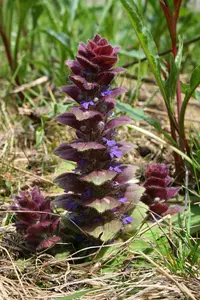
Oriental bugle, Ajuga orientalis, is a low, spreading perennial often used as a groundcover in borders, rock gardens, and under light shade. It forms dense mats of foliage that can help suppress weeds and stabilize soil.

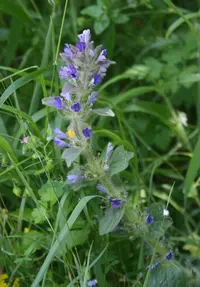
Plants typically have textured green leaves and short flower spikes with soft blue to violet blooms in spring. It is native to parts of the eastern Mediterranean, where it grows in open, rocky or grassy habitats.

This species is generally undemanding if given reasonably moist, well-drained soil and moderate light. Gardeners who learn how to care for Oriental Bugle usually find it adaptable and straightforward to maintain.

Main Plant Requirements

Care Difficulty

Easy Care

Light Preference

Partial Shade

Water Requirements

Moderate Water

Temperature Preference

Cold Hardy

Hardiness Zone

4–9

Soil Texture

Loamy, Sandy, Organic-rich

Soil pH

Acidic (5.5–6.5), Slightly acidic (6.5–7.0)

Soil Drainage

Moist but well-drained

Fertilization

Minimal (feed rarely)

Get Personalized Care Plan

Scan your plant to receive care tips personalized for your specific plant

Available on iOS and Android

How to Care for the Oriental Bugle

Ajuga orientalis grows best in bright conditions with protection from intense midday sun.

  • Provide 3–5 hours of morning sun with light or dappled shade in the afternoon for compact growth and good flowering.
  • Tolerates partial shade, including bright shade under open trees, but dense shade reduces bloom quantity and foliage color intensity.
  • In hot summers, avoid full afternoon sun to prevent leaf scorch; in cooler climates, it can handle more direct sun if soil stays evenly moist.

Ajuga orientalis prefers consistently moist but not waterlogged soil.

  • Water when the top 2–3 cm of soil feel dry, focusing at the base to keep foliage as dry as possible and reduce disease risk.
  • Use well-drained soil; avoid spots where water stands for more than a few hours, which can lead to crown rot and yellowing leaves.
  • Increase watering frequency during hot, dry weather and reduce in cool or rainy periods; wilting, dull leaves signal thirst, while mushy stems suggest overwatering.

This hardy groundcover tolerates a wide temperature range but grows best in mild conditions.

  • Active growth occurs around 55–75°F (13–24°C), with strongest foliage and flowering in cool to mild spring and fall weather.
  • Established plants usually survive down to about -20°F (-29°C) under mulch or snow cover, but young plants benefit from protection in severe cold.
  • Heat tolerance is moderate; in spells above 85°F (29°C), provide shade and consistent moisture to prevent stress, leaf scorch, and thinning patches.

This species grows well in typical home humidity and rarely needs special humidity management.

  • Target 40–60% humidity; it tolerates brief dips lower without damage.
  • Leaves may crisp at edges or wilt slightly in heated, very dry rooms; these are mild humidity stress signs.
  • If air is consistently dry, place Oriental Bugle near other plants or on a pebble tray to buffer extremes.

Ajuga orientalis prefers moist, well-drained, humus-rich soil that does not stay waterlogged.

  • Use a loose loam-based mix with 2 parts all-purpose potting mix, 1 part compost, and 1 part perlite or coarse sand for structure.
  • Aim for slightly acidic to neutral pH around 6.0–7.0 to support nutrient availability and root function.
  • In heavy or clay garden soil, incorporate plenty of compost plus sharp sand or fine grit to improve drainage and aeration.
  • Avoid compacted, poorly drained, or constantly saturated sites, which promote root rot and reduce plant vigor.

This species is suitable for growing in shallow, wide containers that allow spreading.

  • Choose a broad, low pot so stolons can spread outward without quickly overflowing the container edge.
  • Select a container material that matches your climate; terracotta helps prevent soggy roots, while glazed pots retain moisture longer.
  • Elevate the pot on feet or bricks so drainage holes remain clear and excess water can exit freely after rain or watering.

Ajuga orientalis benefits from light feeding but grows adequately in average garden soil.

  • Use a balanced slow-release fertilizer (around 10-10-10) or a thin layer of compost in early spring as growth starts.
  • Apply fertilizer at half the label strength to avoid excessive, weak foliage and encourage steady groundcover spread.
  • Feed once more in mid-summer only if growth appears pale or weak, then stop feeding by late summer.
  • Do not fertilize during winter dormancy; nutrient demand is low and unused salts can build up in the soil.

Ajuga orientalis responds well to light, timely pruning that maintains a dense, healthy mat.

  • Shear back spent flower spikes and surrounding foliage after blooming in late spring to encourage fresh growth.
  • Remove dead, damaged, or diseased leaves with clean hand pruners or scissors to limit fungal issues.
  • Thin overly crowded patches by cutting out small sections, which improves air flow and reduces rot risk.
  • Edge or trim creeping runners to keep the groundcover within bounds and maintain a tidy shape.

Ajuga orientalis is most often transplanted in-ground, with containers used mainly for edging or small displays.

  • Transplant or divide in early spring or early fall, when temperatures are mild and soil moisture is steady.
  • Look for signs such as bare centers, very dense clumps, or roots circling a pot, which indicate the plant needs more space.
  • Lift clumps gently, tease apart roots by hand, and replant divisions at the same depth in well-drained, moist soil.
  • Water thoroughly after transplanting, then keep soil lightly moist for 1–2 weeks to reduce transplant shock and support root re-establishment.

Ajuga orientalis is commonly multiplied by division and rooted runners, which keeps clumps vigorous.

  • Divide mature clumps in early spring or early fall, slicing sections with a spade so each has roots and several shoots.
  • Replant divisions immediately into moist, well-drained soil, spacing to allow future spread and reduce overcrowding.
  • Encourage runners to root by pinning them lightly to the soil; sever from the parent once roots are established.
  • Sow seeds in trays or directly outdoors in fall or early spring, keeping the surface moist until germination.

Ajuga orientalis is generally cold hardy in temperate climates and needs minimal winter attention.

  • In colder regions, apply a 3–5 cm layer of mulch around the root zone after the ground cools to buffer freeze–thaw cycles.
  • Allow foliage to remain over winter where possible, since it helps insulate crowns and reduces heaving.
  • For container plants in zones with severe frost, move pots to a sheltered, unheated but frost-free area until early spring.

Care Tips

Control Spreading Edges

Once or twice a year, slice straight down around the patch with a sharp spade to cut off creeping runners, then remove any clumps that invade lawn or beds where you do not want them.

Rejuvenate Older Clumps

Every 3–4 years, lift congested mats in early spring, divide out healthy young rosettes, discard woody centers, and replant the best pieces to keep foliage dense and flowering reliable.

Use Mulch Strategically

Apply a very thin layer of fine mulch (no more than 0.5 in) between rosettes to suppress weeds while avoiding a thick cover on the crown, which can trap moisture and increase rot risk.

Improve Air Circulation

When plants form a solid carpet, selectively remove a few rosettes in crowded, shaded pockets to open up airflow and reduce powdery mildew and crown rot problems.

Seasonal Slug Management

In early spring and during prolonged wet spells, place rough barriers like crushed gravel rings or set out iron phosphate slug pellets around the perimeter of beds to protect new growth when growing Oriental Bugle.

Common Pests and Diseases

Crown rot

This disease develops in dense, wet plantings where the crown and lower stems stay constantly moist. Symptoms include browning at the crown, collapse of rosettes, and a foul or mushy base, often starting in poorly drained spots.

Solution

Improve drainage, avoid overwatering, and thin crowded mats to increase air movement and faster surface drying. Remove and dispose of affected clumps, then replant healthy divisions slightly raised in the soil; in beds with a history of problems, consider a fungicide labeled for crown rots as a preventative when replanting.

Southern blight

This disease is caused by a soil-borne fungus that thrives in warm, humid conditions and dense groundcover mats. Symptoms include sudden wilting, tan to brown stem lesions near the soil line, white cottony growth, and small mustard-colored sclerotia (hardened fungal bodies) on stems or soil.

Solution

Promptly dig out and discard affected plants along with surrounding soil, and avoid moving contaminated soil on tools or shoes. Improve air circulation, reduce surface moisture by watering in the morning at soil level, and avoid planting Oriental bugle in recently affected areas for several years or use resistant groundcovers instead.

Powdery mildew

This disease appears during periods of high humidity and mild temperatures, especially where stands are dense and shaded. Symptoms include white, powdery patches on upper leaf surfaces, followed by yellowing and reduced vigor.

Solution

Increase light and air flow by thinning plants and avoiding overhead watering in the evening. Remove and discard heavily infected foliage, then consider using a labeled sulfur or potassium bicarbonate product as a preventive spray on remaining healthy leaves if conditions stay favorable for disease.

Crown-boring weevils

These insects feed at night on foliage and their larvae tunnel into crowns and stems, causing distorted growth and crown dieback. Symptoms include notched leaf edges, wilting of individual rosettes, and hollow or chewed crown tissue when plants are inspected closely.

Solution

Hand-pick adult weevils at night using a flashlight and destroy them, and remove and discard severely damaged rosettes that harbor larvae. Encourage natural predators and, if damage is persistent, use a targeted treatment such as beneficial nematodes applied to the soil around crowns according to label directions.

Aphids

These insects cluster on tender shoots and undersides of leaves, especially on new growth and in sheltered parts of the mat. Symptoms include curled or distorted leaves, sticky honeydew on foliage, and sometimes sooty mold growing on the sugary deposits.

Solution

Spray colonies off with a firm stream of water and pinch back heavily infested shoots to remove most insects quickly. For ongoing infestations, use insecticidal soap or a light horticultural oil applied thoroughly to leaf undersides and growing tips, repeating as needed while monitoring beneficial insects such as lady beetles.

Interesting Facts

Eastern Mediterranean native

This species has a naturally restricted distribution, occurring mainly in the eastern Mediterranean region, especially in parts of Turkey and neighboring areas, where it grows in open woodlands and rocky slopes.

Earlier bloom time

Compared with many other Ajuga species, this plant often blooms earlier in spring, producing short spikes of soft blue to violet flowers that can overlap with late bulb displays in mild climates.

More upright habit

Unlike the very flat, mat-forming carpet bugles, this species tends to form looser clumps with short stems and less aggressive runners, which is why it is sometimes chosen for rock gardens and less formal groundcover plantings.

FAQs about Oriental Bugle

This species spreads steadily by short stolons, forming a dense mat over time but rarely becoming unmanageable in typical garden settings. Edging, dividing every few years, and removing unwanted runners keep it within its intended area.

Grow Healthy Plants with Botan Care

Keep your plants happy and healthy with plant identification, disease detection, and easy care guidance.

Botan plant care app — identify plants on mobile

Explore More Plants