Rose Care (Rosa 'Abraham Darby')

Rose

About Rose

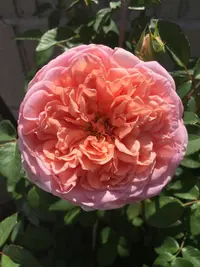
Rosa 'Abraham Darby' is an English shrub rose, known for its large, deeply cupped, apricot-pink blooms and strong, fruity fragrance. The plant forms a rounded, bushy shrub that can be lightly trained as a short climber in mild climates.

This cultivar was bred for garden use rather than occurring in the wild, and it performs best in temperate regions with full sun and good air circulation. It is moderately vigorous but needs regular pruning and monitoring for common rose diseases such as black spot and powdery mildew.

Well-drained, fertile soil and consistent moisture support healthy growth and make it easier to care for Rose in home gardens.

Main Plant Requirements

Care Difficulty

Moderate Care

Light Preference

Full Sun

Water Requirements

Regular Water

Temperature Preference

Cool Climate

Hardiness Zone

5–9

Soil Texture

Loamy, Clay, Organic-rich

Soil pH

Acidic (5.5–6.5), Slightly acidic (6.5–7.0)

Soil Drainage

Moist but well-drained

Fertilization

Moderate (every 2–4 weeks)

Get Personalized Care Plan

Scan your plant to receive care tips personalized for your specific plant

Available on iOS and Android

How to Care for the Rose

Rosa 'Abraham Darby' performs best with strong, direct light in most climates.

  • Provide 6–8 hours of direct sun daily, with at least 4 hours of gentle morning sun to support abundant flowering and sturdy growth.
  • Allow light afternoon shade in hot summers, as intense sun after 2–3 p.m. can scorch petals and stress foliage, especially during heatwaves.
  • In cooler or coastal areas, full sun all day is usually safe; in shadier sites expect fewer blooms, longer stems, and more disease pressure.

Rosa 'Abraham Darby' prefers deep, infrequent watering that keeps roots moist but not saturated.

  • Water when the top 3–5 cm of soil feels dry, soaking the root zone to 20–30 cm depth rather than giving light surface splashes.
  • Use well-drained soil or beds; prolonged puddling, sour smell, yellowing leaves, and blackened stems signal overwatering and poor drainage.
  • In cool spring and fall, watering may be needed only after dry spells, while in hot, windy weather you may need to check soil moisture every 2–3 days.

This rose grows best in mild to warm conditions with some tolerance of both heat and cold.

  • Aim for active growth in 60–80°F (16–27°C); flowering and foliage quality are strongest in this range.
  • Dormant plants usually tolerate down to about 5–10°F (-15 to -12°C) with mulch, but new shoots and buds are damaged by late frosts.
  • In heat above 90°F (32°C), blooms may fade quickly and petals scorch, so provide afternoon shade and consistent soil moisture during heatwaves.

This rose tolerates typical outdoor humidity but grows best with moderately moist air.

  • Aim for ambient humidity around 40–60% in sheltered spots, especially in hot, dry climates.
  • Leaves that crisp at the edges and buds that dry before opening often indicate air that is too dry and soil drying too fast.
  • Increase local humidity by mulching the root zone and grouping plants, while still maintaining strong air flow to limit fungal disease.

Rosa 'Abraham Darby' performs best in deep, well-structured loam with steady moisture and fast drainage.

  • Use a loamy mix with about 40–50% garden soil, 30–40% compost, and 10–20% coarse sand or fine grit for structure.
  • Keep pH slightly acidic to neutral, around 6.0–7.0, avoiding highly alkaline or salty conditions that reduce nutrient uptake.
  • Incorporate organic matter to improve aggregation, so roots move easily through soil yet remain supported and oxygenated.
  • Avoid heavy, unamended clay or constantly waterlogged spots, which promote root rot and weak, shallow rooting.

This rose can grow in large containers if given enough root depth and stable conditions.

  • Choose a container at least 45–60 cm deep to support the vigorous root system and tall, arching growth habit.
  • Use a heavy, stable pot material such as thick terracotta or ceramic to reduce tipping in wind or when canes are in flower.
  • Ensure several wide drainage holes and elevate the pot slightly so excess water clears quickly and the lower root zone stays aerated.

Strong flowering of Rosa 'Abraham Darby' responds well to consistent but moderate feeding.

  • Use a balanced rose fertilizer or slow-release granular feed, or supplement with well-rotted compost around the root zone.
  • Apply fertilizer every 4–6 weeks during the main growing season, from early spring to mid-summer.
  • Dilute liquid feeds to about half the label strength to prevent salt buildup and root burn.
  • Stop feeding 6–8 weeks before expected frost, and do not fertilize during winter dormancy.

Pruning shapes Rosa 'Abraham Darby' and maintains strong, floriferous growth.

  • Carry out main pruning in late winter to very early spring, before buds fully break.
  • Remove dead, diseased, or crossing stems first, cutting back to healthy outward-facing buds.
  • Thin crowded canes to open the center, improving air flow and reducing fungal problems.
  • Deadhead spent blooms in summer by cutting to a strong leaflet to encourage repeat flowering.

This rose is usually grown in-ground, so care focuses on correct planting and occasional transplanting rather than frequent repotting.

  • Transplant in late fall or very early spring when the plant is dormant and soil is workable.
  • Move if growth declines, the plant is shaded out, or roots circle in a long-term container.
  • Dig a wide planting hole, loosen circling roots gently, and set the graft union just above soil level in mild climates.
  • Water deeply after planting, mulch 5–7 cm, and keep soil evenly moist for the first season to reduce transplant shock.

Rosa 'Abraham Darby' is usually propagated vegetatively to maintain its cultivar traits.

  • Use semi-hardwood stem cuttings in late summer, 10–15 cm long with several nodes.
  • Remove lower leaves, dip the cut end in rooting hormone, and insert into a moist, free-draining medium.
  • Maintain high humidity, bright but indirect light, and soil temperatures around 65–75°F for rooting.
  • Seed propagation is possible but will not come true to type, so it is mainly used for breeding.

This rose is moderately cold hardy but benefits from basic winter preparation in colder regions.

  • In zones colder than about USDA 6, mound soil or compost 10–15 cm over the crown after hard frost.
  • Apply a 5–8 cm mulch layer over the root zone, keeping it slightly away from the main stems.
  • In very cold or windy sites, use a breathable wrap or shrub cover to limit cane dieback.
  • Move container-grown plants into an unheated garage or sheltered spot where temperatures stay just above freezing.

Care Tips

Arching cane support

Install sturdy, 90–120 cm hoops or discreet stakes early in the season and loosely tie long canes so heavy, rain-soaked blooms do not snap or split at the base.

Outward cane training

After each flush, gently bend and tie young, flexible stems outward and slightly horizontal along a low support to encourage more lateral flowering shoots and a fuller shrub shape.

Targeted blackspot control

Begin a preventive fungicide program in early spring, rotating products with different active ingredients every 2–3 weeks and always removing fallen leaves to reduce blackspot pressure on this susceptible variety.

Flush-based deadheading

Instead of removing single spent blooms, wait until most flowers in a flush fade, then cut stems back to a strong 5-leaflet leaf to save time and stimulate a more even, vigorous re-bloom.

Bloom protection strategy

Before forecasted heavy rain or heat spikes above 90°F, cut nearly open blooms for indoor arrangements to enjoy their fragrance and reduce stress on the plant while still caring for Rose effectively.

Common Pests and Diseases

Black spot

This disease causes round black spots with fringed or yellow halos on leaves, leading to premature defoliation and reduced flowering.

Solution

Remove and discard infected leaves, including fallen debris, to reduce spore spread, then improve air circulation and avoid overhead watering; apply a targeted rose fungicide containing chlorothalonil, myclobutanil, or tebuconazole at labeled intervals during warm, wet periods as part of Rosa 'Abraham Darby' care instructions.

Powdery mildew

This disease produces white, powdery growth on young leaves, stems, and buds, which may curl, distort, or fail to open properly.

Solution

Prune out badly affected shoots, thin dense growth to improve airflow, and water at the base in the morning; use a rose-labeled fungicide such as sulfur or a myclobutanil product preventively during dry days with cool nights when mildew is most active.

Rose aphids

These insects cluster on soft shoot tips and buds, sucking sap and causing distorted growth, sticky honeydew, and reduced bud opening.

Solution

Wash colonies off with a strong stream of water, then encourage or introduce natural predators like lady beetles; if needed, use insecticidal soap or a horticultural oil labeled for roses, coating shoot tips and bud clusters thoroughly and repeating as new aphids appear.

Rose leafhopper

This pest feeds on the undersides of leaves, causing pale speckling, leaf drop, and occasional browning at the edges, especially in sunny, dry conditions.

Solution

Inspect leaf undersides regularly and prune heavily infested shoots; apply insecticidal soap or a low-impact systemic product labeled for roses early in the season, and remove nearby leaf litter where leafhopper nymphs may develop.

Rose rust

This disease forms bright orange or rust-colored pustules on leaf undersides and stems, often followed by yellowing and dropping leaves if humidity stays high.

Solution

Remove and discard infected leaves and stems, increase spacing and airflow around plants, and avoid overhead irrigation; during cool, humid seasons, protect new growth with a rotational spray program of rose-approved fungicides such as myclobutanil or propiconazole according to label directions.

Interesting Facts

Strong fruity fragrance

This English shrub rose is widely noted for its intense, complex scent, often described as a mix of fruity, apricot, and old rose fragrances, which makes it a frequent choice for sensory and display gardens.

Distinctive flower coloring

Its large, cupped blooms typically open in rich apricot to apricot-pink tones and often fade toward softer pink on the outer petals, creating a multitone effect on a single plant through the flowering season.

English rose parentage

It was bred by David Austin in 1985 by crossing the climber 'Aloha' with the floribunda 'Yellow Cushion', combining old-fashioned bloom form and fragrance with more modern reblooming habit and vigor.

Botan icon

Did you know?

This cultivar can be grown either as a large, arching shrub or trained as a short climber in mild climates, which gives gardeners unusual flexibility in landscape design compared to many other English roses.

FAQs about Rose

Poor flowering often comes from insufficient light, nutrient imbalance, or old, unproductive wood. Remove spent blooms, prune weak stems, and provide balanced fertilizer. Correct pruning timing is essential for consistent repeat flowering in this cultivar.

Grow Healthy Plants with Botan Care

Keep your plants happy and healthy with plant identification, disease detection, and easy care guidance.


Botan plant care app — identify plants on mobile

Explore More Plants