coastal rose gentian Care (Sabatia calycina)

coastal rose gentian

About coastal rose gentian

Coastal rose gentian (Sabatia calycina) is a short-lived perennial wildflower native to coastal plains and wet savannas of the southeastern United States. It often grows in sunny, open, seasonally moist habitats.

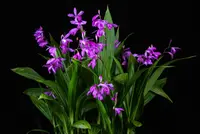
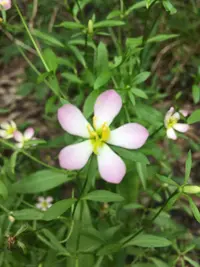
Plants form upright stems with narrow, opposite leaves and star-shaped pink flowers with a contrasting yellow or green center. The blooms appear delicate but handle typical outdoor conditions in their native range.

This species prefers consistently moist, acidic, low-nutrient soils and does not tolerate long dry periods or heavy disturbance. For gardeners, how to care for coastal rose gentian centers on providing sun, moisture, and soils that are not enriched or compacted.

Main Plant Requirements

Care Difficulty

Moderate Care

Light Preference

Full Sun

Water Requirements

Keep Soil Moist

Temperature Preference

Warm Climate

Hardiness Zone

7–10

Soil Texture

Sandy, Loamy, Organic-rich

Soil pH

Acidic (5.5–6.5)

Soil Drainage

Moist but well-drained

Fertilization

Minimal (feed rarely)

Get Personalized Care Plan

Scan your plant to receive care tips personalized for your specific plant

Available on iOS and Android

How to Care for the coastal rose gentian

This coastal wildflower prefers bright, open conditions with consistent sun exposure.

  • Provide 6–8 hours of direct sun daily; morning sun with light afternoon exposure suits coastal rose gentian in most climates.
  • Plant in an open site with minimal tree shade; it tolerates light, shifting shade but prolonged shade causes weak, floppy stems and poor flowering.
  • In hot inland areas, protect from intense sun between 2–5 p.m. to reduce leaf scorch and drought stress, especially during midsummer dry spells.

Sabatia calycina naturally grows in moist to seasonally wet soils and dislikes prolonged dryness.

  • Aim for consistently moist soil; allow only the top 1–2 cm to dry before the next watering in garden settings.
  • In spring and early summer, increase watering during dry spells so the root zone never fully dries, especially in sandy or fast-draining soils.
  • Reduce watering slightly in late summer–fall but avoid hard drying; wilting, rolled leaves, and dull foliage indicate underwatering, while yellowing and soft stems suggest overwatering or poor drainage.

This species prefers mild to warm conditions and is sensitive to hard frost and extreme heat.

  • Optimal growth occurs around 65–80°F (18–27°C), which supports steady foliage development and reliable flowering.
  • Plants generally tolerate brief dips to about 35–40°F (2–4°C) but are damaged by freezing nights, especially in exposed, windy locations.
  • Heat above 90°F (32°C) is tolerated if soil stays moist; mulch lightly and avoid reflected heat from walls to limit root stress during hot spells.

Humidity is a minor factor for Sabatia calycina, which adapts well to typical outdoor conditions.

  • Target ambient humidity around 40–60% when possible, similar to average temperate outdoor air.
  • The plant tolerates brief drier air but prolonged hot, very dry winds may reduce flowering and cause leaf edge browning.
  • If growing coastal rose gentian in a dry, exposed site, group plants and use mulch to slightly buffer humidity near the soil surface.

Sabatia calycina prefers moist, well-drained, sandy to loamy soil that does not stay waterlogged.

  • Use a mix of 50–70% sandy or loamy mineral soil with 30–50% compost or leaf mold to mimic light, organic-rich coastal soils.
  • Ensure fast drainage by adding coarse sand or fine grit, especially in heavier native soil, to prevent root rot from standing water.
  • Aim for slightly acidic to neutral pH (5.5–7.0); avoid strongly alkaline sites that can limit nutrient uptake and weaken growth.
  • Improve aeration by avoiding compaction, gently loosening the top 5–8 cm each season, and never planting in solid clay basins.

This species can be grown in containers if moisture and drainage are carefully controlled.

  • Choose a pot at least 20–25 cm deep to allow the root system to anchor and support upright flowering stems in wind.
  • Use a lightweight mix in a container with multiple drainage holes so excess water exits quickly after rain or irrigation.
  • Select a heavier clay or ceramic pot in exposed sites to reduce tipping as tall, flowering stems make the plant top-heavy.

Sabatia calycina typically grows in nutrient-poor, sandy habitats and needs little to no fertilization in garden settings.

Sabatia calycina benefits from light, targeted pruning to maintain a tidy form and support flowering.

  • Cut back spent flower stems in late summer to encourage a cleaner appearance and potential light rebloom.
  • Remove dead, diseased, or storm-damaged stems at the base with clean, sharp scissors or hand pruners.
  • Thin out any crowded or weak growth without cutting into healthy basal rosettes, preserving next season’s buds.
  • Disinfect tools before and after use to reduce the spread of fungal or bacterial problems.

Transplanting coastal rose gentian requires gentle handling, as its root system dislikes disturbance.

  • Plan moves for early spring or early fall, when temperatures are mild and top growth is limited.
  • Transplant if growth stalls, plants lean or topple, or roots circle and mat at drainage holes in containers.
  • Lift with a wide soil ball, keeping roots intact; replant at the same depth into sandy, sharply drained soil.
  • Water thoroughly after transplanting, then keep soil slightly moist but never waterlogged until new growth resumes.

Sabatia calycina is most reliably propagated from seed rather than vegetative methods.

  • Sow fresh seed in late fall or very early spring outdoors, allowing natural cold stratification to break dormancy.
  • Use shallow trays or a nursery bed with sandy, free-draining soil and keep evenly moist, not saturated.
  • Press seeds onto the surface; do not bury deeply, as light exposure supports better germination.
  • Thin or transplant seedlings carefully once they have 2–3 true leaves, disturbing roots as little as possible.

In its native range, Sabatia calycina is relatively cold tolerant and usually needs minimal winter care in the ground.

  • In colder zones or exposed sites, add a light 2–5 cm mulch layer around, not on top of, the crown.
  • Ensure soil drains well going into winter, since standing water around roots increases freeze damage risk.
  • Move container-grown plants to an unheated but frost-free space, with bright light and slightly moist soil.

Care Tips

Site hydrology check

Before planting, observe the site through a full wet season to confirm it stays moist but not flooded for more than 24–48 hours, since prolonged standing water will damage roots even though this species prefers damp conditions.

Seedling grouping

Plant several nursery seedlings in loose clusters rather than spaced evenly in a row, which creates a denser floral display and improves pollinator visitation, leading to better seed set for future self-sowing.

Managed self-seeding

After flowering, leave a portion of dried seed heads standing until late winter, then lightly shake or crumble them over adjacent bare, weed-free soil to encourage a naturalistic patch without formal reseeding each year.

Seasonal weed suppression

Use a very thin (0.5–1 cm) layer of fine gravel or sand around plants instead of heavy organic mulch to suppress small weeds while keeping the soil surface open and aerated, which better matches this species’ preference for lean, mineral soils.

Wildlife buffer strip

When growing coastal rose gentian in a meadow or wetland edge, maintain a 30–60 cm unmowed buffer around the colony so that stems are not accidentally cut and beneficial insects using the flowers are not disturbed during peak bloom.

Common Pests and Diseases

Leaf spot

This disease causes small brown to dark purple lesions on leaves, often starting on older foliage in warm, wet periods. Symptoms include coalescing spots that can lead to premature leaf yellowing and drop.

Solution

Remove and discard heavily spotted leaves and any dead plant material around the base to reduce fungal spore load. Improve air circulation, avoid overhead watering, and if the problem is persistent in naturalized stands, a targeted application of a broad-spectrum fungicide labeled for ornamental wildflowers can be used during extended wet weather.

Powdery mildew

This disease produces a white to gray, powdery coating on leaves and stems, reducing photosynthesis and overall vigor. Symptoms include distorted new growth and dull, faded-looking foliage in crowded or shaded sites.

Solution

Increase spacing and sun exposure where possible, and avoid excess nitrogen that encourages soft, susceptible growth. Remove the worst-affected stems and use a sulfur or potassium bicarbonate fungicide labeled for ornamental herbaceous plants if the disease spreads widely, applying during dry weather for best coverage.

Aphids

These insects cluster on tender stems and flower buds, sucking sap and causing distorted growth and sticky honeydew deposits. This pest can attract sooty mold fungi and reduce flowering in stressed plants.

Solution

Dislodge colonies with a firm stream of water and pinch off heavily infested shoot tips. Encourage or introduce natural predators like lady beetles, and if needed use an insecticidal soap or horticultural oil, applied in the early morning or evening to minimize leaf burn while supporting sustainable Sabatia calycina plant care.

Leaf miners

These insects create winding, pale tunnels inside the leaves as larvae feed between the leaf surfaces. Symptoms include serpentine trails that may cause sections of the leaf to dry and turn brown.

Solution

Remove and destroy mined leaves as soon as damage is noticed to interrupt the life cycle. In larger plantings, use yellow sticky traps to monitor adult activity and, if infestations are severe, apply a systemic insecticide labeled for ornamental wildflowers, following label timing to target newly hatched larvae.

Spider mites

This pest is more common in hot, dry conditions and causes fine stippling, bronzing, and eventual leaf drop. Symptoms include very fine webbing on the undersides of leaves and between stems.

Solution

Increase humidity around the plants where feasible and rinse foliage thoroughly, focusing on leaf undersides, to physically remove mites. For persistent infestations, apply horticultural oil or insecticidal soap at regular intervals, rotating products if needed and avoiding treatments during high heat to prevent leaf injury.

Interesting Facts

Coastal flatwoods specialist

This species is native to the coastal plain of the southeastern United States and is strongly associated with pine flatwoods, wet savannas, and seasonally moist sandy depressions near the Atlantic and Gulf coasts.

Showy star-shaped corollas

The plant produces flat, star-shaped pink flowers with a distinctive yellow eye and usually 5–9 petals (botanically, corolla lobes), which make it more conspicuous than many other small wetland herbs in the same habitats.

Short-lived yet persistent

Sabatia calycina typically behaves as an annual or short-lived perennial, relying on a persistent soil seed bank that allows populations to reappear after disturbance or in years with favorable moisture patterns.

FAQs about coastal rose gentian

This species usually blooms in mid to late summer, often peaking from June to August depending on climate. Flowering can continue for several weeks if plants stay moist and are not exposed to extreme heat or drought.

Grow Healthy Plants with Botan Care

Keep your plants happy and healthy with plant identification, disease detection, and easy care guidance.

Botan plant care app — identify plants on mobile

Explore More Plants