glacier avens Care (Geum glaciale)

About glacier avens

Glacier avens, Geum glaciale, is a compact alpine perennial adapted to cold, rocky mountain environments. It forms low clumps of divided, often semi-evergreen leaves close to the ground.

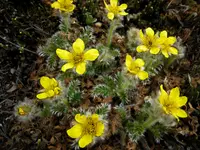
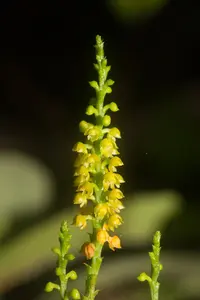
Short flower stems carry simple, usually pale yellow blooms that attract pollinators in cool summer conditions. The plant naturally occurs in high-altitude regions with sharp drainage and a long winter chill.

Its slow, steady growth and strong cold tolerance make it best suited to rock gardens, scree beds, or troughs that mimic alpine habitats. Successful how to care for glacier avens usually depends on cool temperatures, moist but free-draining soil, and good light without intense heat.

Main Plant Requirements

Care Difficulty

Hard Care

Light Preference

Full Sun

Water Requirements

Regular Water

Temperature Preference

Cold Hardy

Hardiness Zone

3–7

Soil Texture

Sandy, Loamy, Rocky

Soil pH

Acidic (5.5–6.5), Slightly acidic (6.5–7.0)

Soil Drainage

Moist but well-drained

Fertilization

Minimal (feed rarely)

Get Personalized Care Plan

Scan your plant to receive care tips personalized for your specific plant

Available on iOS and Android

How to Care for the glacier avens

This alpine perennial thrives in cool, bright conditions with protection from harsh midday sun.

  • Provide 4–6 hours of direct morning sun with light shade or filtered light after noon, especially in warmer regions.
  • Allow light partial shade (dappled light for much of the day) in lowland gardens; in cooler, high-elevation sites it tolerates more open sun.
  • Watch for pale, scorched leaves as a sign of excessive sun, and weak, floppy stems as a sign that glacier avens is not receiving enough light.

This species prefers consistently moist but not saturated soil, especially during active growth.

  • Water when the top 2–3 cm of soil feels slightly dry, then moisten the root zone thoroughly without leaving standing water.
  • In spring and early summer, monitor more often as growth and warmth increase evaporation; reduce watering slightly in cooler late autumn.
  • Yellowing, soft foliage and a sour smell indicate overwatering or poor drainage, while drooping, crisp leaf edges and very dry soil indicate underwatering; amend compacted soil with grit to improve drainage.

This cold-adapted perennial performs best in cool conditions and struggles in prolonged heat.

  • Ideal growing temperatures are around 45–65°F (7–18°C), with strongest flowering in cool springs and mild summers.
  • Plants tolerate cold down to about -20°F (-29°C) with snow cover or mulch, but repeated freeze–thaw without protection can damage crowns.
  • Heat above 75–80°F (24–27°C) for extended periods stresses plants; provide afternoon shade and extra mulch in hot summers to keep roots cooler and reduce moisture loss.

This species thrives in cool, moderately moist air rather than high indoor humidity.

  • Aim for 40–60% humidity, similar to typical outdoor conditions in cool summer climates.
  • Tolerates short dry indoor air spells, but sustained levels below 30% may cause leaf edges to brown and flower stalks to dry prematurely.
  • Increase humidity nearby with grouped pots or a gravel tray, avoiding direct misting that can chill foliage and promote fungal spots.

This alpine perennial prefers cool, sharply drained yet moisture-retentive soil.

  • Use a gritty, loamy mix such as 40% garden loam, 40% compost, and 20% coarse sand or fine grit to mimic natural scree conditions for Geum glaciale.
  • Ensure rapid drainage; water must pass through within seconds and not pool, or roots may rot in warm or wet periods.
  • Keep pH slightly acidic to neutral, around 6.0–7.0, avoiding strongly alkaline mixes that restrict nutrient availability.
  • Improve aeration by incorporating coarse mineral material (grit, perlite, pumice) and avoid heavy clay or compacted beds that stay wet after rain.

This species can be grown successfully in containers if the pot and substrate prevent waterlogging.

  • Choose a deep, heavy container that anchors the plant against wind while allowing roots to stay cool below the surface.
  • Fill the bottom third with coarse grit or broken porous clay pieces to speed vertical drainage without lifting the root zone out of the main substrate.
  • Use light-colored or thick-walled pots in hot climates to reduce sidewall heating and protect fine roots from temperature spikes.

This alpine perennial needs only light feeding, as glacier avens is adapted to low‑nutrient soils.

  • Apply a thin layer of compost around the clumps once in early spring to enrich the soil gently.
  • Use a balanced, slow‑release fertilizer (around 10‑10‑10) at half strength at the start of the growing season, if growth seems weak.
  • Avoid midsummer and late‑season feeding so new growth can harden before winter dormancy.
  • Do not apply fertilizer to dry soil; water first to reduce root burn risk.

Geum glaciale benefits from modest pruning to maintain a compact, flowering clump.

  • Deadhead fading blooms through the growing season to extend flowering and keep the plant tidy.
  • In late autumn or very early spring, remove dead, damaged, or diseased foliage with clean hand pruners.
  • Thin congested crowns lightly to improve air flow and reduce fungal issues.
  • Avoid cutting into healthy crowns too hard, which can weaken plants in harsh alpine conditions.

This species is usually grown in rock gardens, so transplanting matters more than container repotting.

  • Transplant in early spring or early autumn when temperatures are cool and soil is moist.
  • Move plants only when growth declines, clumps become crowded, or flowering drops despite good care.
  • Lift with a wide trowel, keeping as much root ball and surrounding soil intact as possible to limit shock.
  • Replant at the same depth in sharply drained, cool soil, then water gently and shade from strong sun for a few days.

Geum glaciale is commonly propagated by division or seed under cool conditions.

  • Divide mature clumps in early spring, when new shoots emerge, using a clean knife or spade.
  • Replant divisions immediately into moist, well‑drained soil, keeping crowns at the same level as before.
  • Sow fresh seed in trays outdoors or in a cold frame for natural cold stratification and even germination.
  • Maintain lightly moist, not waterlogged, substrate and good air movement to prevent rot in young plants.

This alpine species is cold hardy and usually needs minimal winter care in suitable climates.

  • Tolerates freezing temperatures when planted in well‑drained soil that prevents waterlogging around roots.
  • After the first hard frosts, allow foliage to die back naturally, then remove collapsed, diseased leaves.
  • Apply a light, dry mulch (grit, fine gravel, or leaf mold) around crowns in exposed sites to buffer freeze‑thaw cycles.

Care Tips

Rocky root zone

Plant into crevices or between stable rocks so roots stay cool and anchored, then top-dress with a thin layer of grit or small gravel each spring to maintain sharp drainage and protect crowns from rot.

Snow and meltwater management

In regions with heavy snow or spring melt, site plants where water drains away quickly and, if needed, cut shallow channels to divert standing meltwater so crowns are not submerged for long periods.

Summer heat buffering

In hotter climates, place plants on the cooler north or east side of rocks or low walls and add a light-colored stone mulch to reflect heat and keep root temperatures closer to their natural alpine conditions.

Compact clump renewal

Every 3–4 years, lift and divide congested clumps in early spring, discarding woody centers and replanting only the youngest, firm outer sections to maintain flower quality and vigor when growing glacier avens.

Slugs and snails exclusion

Where slugs and snails are common, set the plant slightly elevated on a rock ledge and use physical barriers such as copper tape on nearby edging stones to reduce leaf damage without relying on frequent chemical controls.

Common Pests and Diseases

Powdery mildew

This disease appears as a white, powdery coating on leaves and stems, often in warm days with cool, humid nights. Symptoms include distorted new growth and gradual decline in vigor.

Solution

Remove heavily infected leaves and any plant debris around the clump, then improve air circulation by thinning crowded shoots and avoiding overhead watering. In prolonged humid periods, apply a sulfur or potassium bicarbonate fungicide labeled for ornamental perennials, repeating as directed until new growth is clean.

Leaf spot

This disease causes small brown, purple, or black spots on leaves that may merge into larger patches, starting on lower foliage in cool, damp weather. Symptoms include premature yellowing and drop of older leaves, which can weaken the plant.

Solution

Promptly remove and discard affected leaves and any fallen foliage to reduce fungal spores, and water at soil level rather than onto the leaves. If spotting continues during wet periods, use a copper- or chlorothalonil-based fungicide labeled for ornamental plants and space plants to allow faster leaf drying.

Aphids

These insects cluster on young stems and flower stalks, sucking sap and causing curling, puckering, or stunted growth. This pest also excretes sticky honeydew that can attract sooty mold fungi.

Solution

Wash colonies off glacier avens with a firm stream of water, focusing on shoot tips and the undersides of leaves, and repeat every few days as needed. For persistent infestations, apply insecticidal soap or a light horticultural oil, coating insects thoroughly but avoiding spraying during hot, bright midday conditions.

Vine weevils

These insects damage plants in two stages: adults notch leaf margins at night, while larvae feed on roots and crown tissues in the soil. Symptoms include irregular leaf edges, wilting in spite of moist soil, and poor recovery after winter.

Solution

Hand-pick adult beetles at night using a flashlight, shaking them from foliage onto a sheet for disposal, and remove mulch hiding places around crowns. In late summer or early fall, apply beneficial nematodes (Heterorhabditis or Steinernema species) to moist soil according to label directions to target the larvae around the root zone of Geum glaciale.

Interesting Facts

High-Alpine Specialist

This species is native to high-elevation, glaciated regions of the European Alps, where it grows in rocky, well-drained substrates close to melting snowfields and glacier margins.

Cold-Adapted Growth

Its compact rosettes and low stature help it resist damage from strong alpine winds, low temperatures, and mechanical stress from late-lying snow.

Short-Season Flowering

The plant flowers during the brief alpine summer, quickly producing pale yellow flowers and seeds in a narrow time window between snowmelt and the return of cold conditions.

FAQs about glacier avens

Flowering is reduced if the plant experiences high heat, nutrient-poor or very dry soil, or heavy shade. In warmer gardens, treat it as a cool-season alpine, and consider Geum glaciale care focused on cooler, well-drained sites.

Grow Healthy Plants with Botan Care

Keep your plants happy and healthy with plant identification, disease detection, and easy care guidance.

Botan plant care app — identify plants on mobile

Explore More Plants