Red and Green Kangaroo Paw Care (Anigozanthos manglesii)

Also known as: Mangles's Kangaroo Paw
Red and Green Kangaroo Paw

About Red and Green Kangaroo Paw

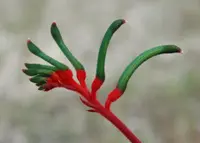
Red and green kangaroo paw, Anigozanthos manglesii, is a clumping perennial from Western Australia, known for its tall, fuzzy, tubular flowers and narrow, strap-like leaves. The striking red stems and green flower tips are shaped like a paw, making it a distinctive feature plant in dry gardens and native plantings.

In its natural habitat, it grows in sunny, open areas with sandy, well-drained soils and low to moderate rainfall. The plant is sun-loving but can be sensitive to humidity, excess water, and poor drainage, which makes it slightly more challenging in wetter climates. Gardeners who learn how to care for Red and Green Kangaroo Paw often focus on light, airflow, and sharp drainage to keep it long-lived.

Main Plant Requirements

Care Difficulty

Moderate Care

Light Preference

Full Sun

Water Requirements

Low Water

Temperature Preference

Warm Climate

Hardiness Zone

9–11

Soil Texture

Sandy, Loamy, Rocky

Soil pH

Slightly acidic (6.5–7.0), Neutral (7.0)

Soil Drainage

Well-drained

Fertilization

Minimal (feed rarely)

Get Personalized Care Plan

Scan your plant to receive care tips personalized for your specific plant

Available on iOS and Android

How to Care for the Red and Green Kangaroo Paw

This sun-loving Western Australian native thrives with bright, direct light in most outdoor settings.

  • Provide 6–8 hours of full sun daily; morning and midday sun suit Red and Green Kangaroo Paw best, with light afternoon shade in very hot, inland areas.
  • In coastal or mild climates, full sun all day supports strong flowering, while light, dappled shade is acceptable but can reduce bloom density and stem strength.
  • Watch for stress: bleached or crispy leaf tips suggest intense, reflected heat, while elongated, floppy stems and dull foliage indicate insufficient sun.

This species prefers drying between waterings and is vulnerable to excess moisture around the roots.

  • Allow the top 3–5 cm of soil to dry before watering; in sandy, fast-draining ground this may mean watering only after several rain-free days.
  • Reduce watering in cool seasons once flowering finishes, but do not allow plants to remain soggy during winter, as Anigozanthos manglesii is prone to root rot in wet soils.
  • Use sharply drained, sandy or gravelly soil; yellowing, limp leaves and a sour soil smell indicate overwatering, while curling, browning tips and very light soil signal underwatering.

This plant is adapted to mild, dry-summer climates with warm days and cool, frost-free nights.

  • Aim for 65–80°F (18–27°C) during active growth; flowering and foliage quality are best where summers are warm but not extremely humid.
  • It tolerates brief heat up to about 95°F (35°C) if soil is free-draining and roots are not waterlogged, but flowering may decline in prolonged extreme heat.
  • Protect plants from frost; damage often starts near 32°F (0°C), and sustained temperatures below 28°F (-2°C) can kill crowns, so consider frost cloth or relocation in cold snaps.

Anigozanthos manglesii prefers dry to moderately dry air and rarely needs extra humidity.

  • Aim for 30–50% humidity, similar to typical indoor or outdoor air in many US regions.
  • Plants tolerate dry air well; problems usually come from excess moisture around foliage, not low humidity.
  • If air is extremely dry and leaf tips brown, group pots together rather than misting, which can promote fungal issues on Red and Green Kangaroo Paw.

This species needs very free-draining, sandy soil to avoid root and crown rot.

  • Use a mix of roughly 50–70% coarse sand or fine gravel with 30–50% low-organic potting mix to mimic its native sandy habitat.
  • Ensure sharp drainage so water runs through quickly; raised beds or sloped sites reduce waterlogging around the crown.
  • Aim for slightly acidic to neutral pH, around 6.0–7.0, and avoid heavy clay that holds prolonged moisture.
  • To improve aeration, blend in perlite or small grit and avoid dense composts or peat-heavy mixes that compact over time.

This species can grow successfully in containers if drainage and root conditions are carefully controlled.

  • Choose a pot at least 25–30 cm wide but not excessively deep to support the fibrous roots without trapping water at the base.
  • Use a tall, heavy, or weight-stabilized container in windy sites to prevent the narrow, upright flower stems from tipping the pot.
  • Select unglazed terracotta if outdoor rainfall is frequent, as its porous walls help moisture evaporate faster from the root zone.

Anigozanthos manglesii benefits from light, careful feeding, especially in poor soils.

  • Use a low-phosphorus, balanced slow-release fertilizer or dilute liquid feed at 1/2 strength, as many Australian natives react badly to high phosphorus.
  • Apply once every 4–6 weeks during active spring–summer growth if flowering or foliage density is poor.
  • Avoid fertilizing in late autumn and winter, when the plant is semi-dormant and growth slows.
  • In rich or native garden soils, caring for Red and Green Kangaroo Paw often means skipping fertilizer and focusing on good drainage instead.

Thoughtful pruning keeps Anigozanthos manglesii flowering well and reduces disease problems.

  • Cut spent flower stems back to the base after blooming to encourage new shoots and a tidier clump.
  • Remove dead, yellowing, or damaged leaves at any time, trimming cleanly at the base with sharp, sanitized pruners or scissors.
  • In late winter or early spring, lightly thin crowded fans to improve air flow and reduce fungal issues.
  • Avoid heavy cutting into green bases, as this can reduce flowering and weaken the plant.

This species is more often transplanted in the garden than repotted, and it dislikes frequent root disturbance.

  • Consider transplanting or repotting only when roots circle the pot, growth slows despite good care, or the plant dries out very quickly.
  • Plan moves for late winter to early spring, just before strong new growth, and aim for every 2–3 years at most.
  • Lift the clump gently, keep as much root ball intact as possible, and place it into a well-drained, slightly larger hole or container.
  • Water in thoroughly once to settle roots, then allow the top layer of soil to dry slightly between waterings to limit rot risk.

Propagation of Anigozanthos manglesii is usually done from seed, with division reserved for established clumps.

  • Sow fresh seed in late winter or early spring in a very free-draining, sandy mix, just covered with grit or coarse sand.
  • Provide bright light, good air flow, and mild temperatures around 60–70°F to support even germination.
  • Keep the mix barely moist, never saturated, as seedlings are prone to rot in poorly drained media.
  • Divide mature clumps in late winter, ensuring each division has healthy fans and roots, then replant quickly into well-drained soil.

Cold sensitivity means this plant needs protection in regions with frost or prolonged low temperatures.

  • Anigozanthos manglesii is damaged by hard frosts, so it suits mild-winter climates best.
  • Apply a light, dry mulch around the root zone in late autumn, keeping it slightly away from the crown to prevent rot.
  • Move container plants under cover or indoors to a bright, cool, frost-free space when temperatures near freezing.
  • Reduce watering in winter, allowing the mix to dry more between waterings while the plant is semi-dormant.

Care Tips

Root crown protection

Plant or pot the rhizomes so the crown sits just at or slightly above the soil surface and keep mulch pulled back 5–8 cm to reduce rot and allow good air flow around the base.

Seasonal rest management

After flowering, gradually reduce watering and avoid high-nitrogen feed so the plant can enter a drier rest period that supports better flowering the following season.

Flower stem grooming

Cut spent flower stems cleanly at the base as soon as they fade to redirect energy into new rhizome and leaf growth rather than seed production.

Strategic clump division

Divide overgrown clumps every 3–4 years in late winter, keeping firm, healthy rhizome sections with several shoots, and replant them promptly to maintain vigor and control plant size.

Heat and wind buffering

In very hot or windy sites, use low-growing companion plants, gravel mulch, or windbreak fencing to shield the foliage from scorching and shredding while still allowing full sun, which is key for caring for Red and Green Kangaroo Paw in exposed gardens.

Common Pests and Diseases

Ink disease

This disease causes blackened, inky staining of stems and leaves, often following mechanical damage or stress. Symptoms include dark, spreading lesions that can lead to dieback of affected shoots.

Solution

Remove and dispose of all affected leaves and stems, cutting back into clean, healthy tissue, and keep wounds as small and clean as possible. Improve air movement, avoid overhead watering, reduce stress from overwatering or poor drainage, and use sterilized tools to prevent spread when caring for Red and Green Kangaroo Paw.

Rust fungus

This disease produces orange to brown powdery pustules on leaves and flower stalks, leading to yellowing and premature leaf death. Symptoms include rough, discolored patches that rub off on fingers or nearby surfaces.

Solution

Prune and discard infected foliage promptly and avoid wetting the leaves when watering. Increase spacing and airflow, keep the plant in drier, well-drained conditions, and use a labeled fungicide if rust continues to spread despite cultural controls.

Ink spot

This disease causes small, dark, water-soaked spots on leaves that can merge into larger necrotic areas. Symptoms include a speckled pattern that gradually weakens the foliage and can reduce flowering.

Solution

Remove spotted leaves early and dispose of them in the trash, not compost. Reduce humidity around the plant, water at the base, and apply a suitable ornamental leaf-spot fungicide if the problem is severe or recurring.

Slugs and snails

These pests chew irregular holes in young leaves, flowers, and emerging shoots, often leaving a silvery slime trail. Symptoms include shredded leaf edges and missing flower tissue, especially after wet weather or irrigation.

Solution

Hand-pick slugs and snails in the evening, reduce hiding places such as dense mulch and debris, and use barriers or iron phosphate bait products around the planting area. Maintain slightly drier surface soil around the clump to make the site less attractive to them.

Sap-sucking mites

These pests feed on leaf sap, causing fine speckling, dull or silvery discoloration, and eventual leaf collapse in severe cases. This pest is often found on stressed plants in hot, dry conditions and may be hard to see without magnification.

Solution

Rinse foliage thoroughly with a firm stream of water, focusing on leaf bases and undersides, and repeat several times over 1–2 weeks. If needed, follow with horticultural oil or insecticidal soap labeled for mites, and keep the plant in conditions that avoid extreme dryness and stress.

Interesting Facts

Western Australia emblem

This species is the floral emblem of Western Australia and is strongly associated with the region’s identity, appearing in official government and tourism symbols.

Specialized bird pollination

Its red and green tubular flowers are adapted for pollination by nectar-feeding birds, especially honeyeaters, which trigger pollen release when their heads push into the narrow flower tube.

Seasonal mass displays

In good rainfall years, it can form dense spring displays across Banksia woodlands and coastal heath in southwestern Australia, creating large patches of red and green flower spikes visible from a distance.

Botan icon

Did you know?

The flower colors of this species are so distinctive and culturally important in Western Australia that they are often used as a visual shorthand for the state in art, sports branding, and public events, despite the plant’s naturally limited geographic range.

FAQs about Red and Green Kangaroo Paw

Poor flowering is usually linked to insufficient light, nutrient-rich or heavy soil, or old, congested clumps. This species blooms best in lean, very well-drained soil, strong sun, and when older fan-like clumps are periodically divided and dead stems removed.

Grow Healthy Plants with Botan Care

Keep your plants happy and healthy with plant identification, disease detection, and easy care guidance.

Botan plant care app — identify plants on mobile

Explore More Plants