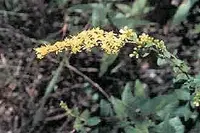
hammock snakeroot Care (Ageratina jucunda)

hammock snakeroot

About hammock snakeroot

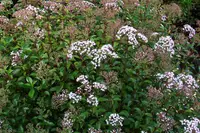
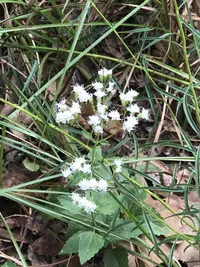
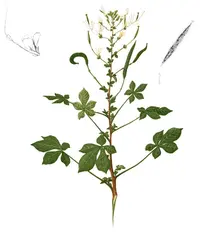
Hammock snakeroot (Ageratina jucunda) is a small, bushy perennial from the aster family, native to dry woodlands and coastal hammocks in eastern Australia. It typically forms low, leafy clumps topped with clusters of small, fluffy white flower heads that attract bees and butterflies.

This species prefers well-drained soil and moderate moisture, and it tolerates light shade to full sun depending on local climate. Its moderate growth rate and resilience to short dry periods make it relatively straightforward to grow once established, though young plants need consistent moisture. Gardeners who learn how to care for hammock snakeroot often value it as a reliable native-style accent or pollinator plant.

Main Plant Requirements

Care Difficulty

Moderate Care

Light Preference

Partial Shade

Water Requirements

Moderate Water

Temperature Preference

Warm Climate

Hardiness Zone

9–11

Soil Texture

Sandy, Loamy, Organic-rich

Soil pH

Acidic (5.5–6.5), Slightly acidic (6.5–7.0)

Soil Drainage

Moist but well-drained

Fertilization

Minimal (feed rarely)

Get Personalized Care Plan

Scan your plant to receive care tips personalized for your specific plant

Available on iOS and Android

How to Care for the hammock snakeroot

This species prefers bright, gentle light similar to a lightly shaded woodland edge.

  • Provide 3–5 hours of morning sun with dappled or filtered light for the rest of the day; avoid harsh, direct afternoon sun that can scorch leaves of hammock snakeroot.
  • Site plants in partial shade; dense full shade reduces flowering and leads to weak, stretched growth over time.
  • In hotter summers, shift exposure toward more shade, while in cooler or overcast climates, allow a bit more direct morning or late-afternoon sun.

This plant prefers consistently moist but not saturated soil, especially during active growth.

  • Before watering Ageratina jucunda, check that the top 2–4 cm of soil feel slightly dry while deeper soil remains faintly moist.
  • Use well-drained soil and avoid standing water; yellowing, soft stems suggest overwatering, while drooping, crisp leaves indicate the plant is too dry.
  • Increase watering during warm, dry weather and flowering, then allow slightly longer drying intervals in cooler seasons when growth slows.

This species performs best in mild, frost-free to light-frost climates.

  • Aim for an active growing range of 65–80°F (18–27°C), where stems elongate steadily and flowering is most reliable.
  • Protect plants when temperatures approach 30–32°F (-1–0°C); repeated or hard frosts can burn foliage and kill young growth.
  • Mature clumps tolerate short heat spikes up to about 90–95°F (32–35°C) if soil moisture is maintained, but prolonged extreme heat can reduce flowering and stress the plant.

This species handles a wide humidity range but benefits from moderate ambient moisture.

  • Aim for 40–60% humidity, which suits typical outdoor conditions in many regions.
  • It tolerates short dry-air spells, but prolonged very low humidity can cause leaf edges to brown and tips to crisp.
  • Increase humidity by grouping plants, mulching soil to reduce evaporation, or placing shallow water trays nearby without waterlogging the roots.

This plant prefers moist, well-structured soil that drains freely yet retains some organic moisture.

  • Use a loamy, slightly sandy base enriched with organic matter such as compost or leaf mold for Ageratina jucunda.
  • Ensure fast drainage by mixing in 20–30% coarse sand or perlite so water does not sit around the roots.
  • Target a soil pH around 6.0–7.0, as mildly acidic to neutral conditions support nutrient uptake and healthy growth.
  • Avoid heavy, compacted, or waterlogged ground; improve aeration by loosening soil and incorporating coarse particles before planting.

This species can be grown successfully in containers outdoors when the pot is set up to stay stable and evenly moist.

  • Choose a wide, relatively heavy container to counteract the plant’s bushy top growth and wind exposure.
  • Select a pot depth that allows a broad, fibrous root system to spread rather than forcing roots to circle tightly at the base.
  • Use a container mix that drains quickly yet holds some moisture, then elevate the pot slightly so excess water clears the drainage holes fast.

This native perennial usually thrives in lean soil, so hammock snakeroot needs only light, targeted feeding in gardens or containers.

  • Use a balanced, slow-release fertilizer (around 10-10-10 or similar) in spring if growth is weak or soil is poor.
  • Apply a thin layer of compost around the root zone once a year to support soil life and gentle nutrition.
  • During the main growing season, one light feeding is usually enough; avoid repeated high-nitrogen applications.
  • Do not feed in winter or dormancy, and always apply at half the label strength to prevent soft, weak growth.

Pruning Ageratina jucunda helps maintain a compact shape and encourages fresh flowering stems.

  • Cut back dead, damaged, or diseased stems at ground level whenever noticed, using clean, sharp pruners.
  • In late winter or very early spring, shorten old, woody growth to promote bushier new shoots.
  • After main flowering, lightly trim spent flower heads to tidy the plant and may extend bloom display.
  • Avoid cutting into very old, leafless wood; always leave some healthy buds on each stem.

This species is more often grown in the ground, so focus on careful transplanting rather than frequent repotting.

  • Plan transplanting for early spring or early autumn when temperatures are mild and soil moisture is steady.
  • Move plants when growth slows, clumps become crowded, or roots circle and mat at container edges.
  • Lift with a wide root ball, keep roots shaded and moist, and replant at the same depth in well-drained soil.
  • Water thoroughly after transplanting, then keep soil evenly moist for 2–3 weeks to reduce transplant stress.

Ageratina jucunda is commonly propagated to expand drifts or renew older clumps in garden settings.

  • Divide established clumps in early spring, separating sections with several shoots and healthy roots.
  • Take softwood cuttings in late spring to early summer, rooting them in a loose, moist, well-aerated medium.
  • Sow fresh seed in trays with a fine, light mix; maintain gentle moisture and bright, indirect light.
  • Provide stable warmth around 68–75°F and high humidity to support fast, even rooting of cuttings.

This plant is moderately cold hardy in mild climates and needs only simple winter care in most gardens.

  • In regions with light frost, top growth may die back, but roots often survive if soil drains well.
  • Apply a 5–8 cm mulch layer around the root zone in late autumn, keeping mulch off stems.
  • In colder areas or for container plants, move pots to a sheltered, frost-free position for winter.

Care Tips

Regular clump renewal

Every 3–4 years, lift and divide congested clumps at the start of the growing season to maintain vigor, reduce disease buildup, and produce uniform flowering groups.

Soft staking method

In windy or exposed sites, insert low, discreet stakes and loop soft garden twine loosely around the stems as they elongate, which prevents lodging without restricting natural movement or damaging the stems.

Targeted deadheading

If self-seeding is not desired, cut back spent flower clusters before seed set while leaving some foliage, which redirects energy into root reserves and encourages a tidier, denser habit.

Airflow corridor planning

When planting in mixed borders, leave a narrow open strip behind or in front of the plants to improve airflow around the foliage, which lowers the risk of foliar disease in humid or rainy regions.

Seasonal pest scouting

From late spring to mid-summer, inspect the undersides of leaves and soft shoot tips weekly for early signs of aphids or caterpillars, and remove small infestations by hand or with a firm water spray before they become established, which is an effective approach when growing hammock snakeroot in wildlife-friendly gardens.

Common Pests and Diseases

Rust fungus

This disease causes small orange, brown, or yellow pustules on the undersides of leaves, sometimes leading to leaf yellowing and drop in humid conditions.

Solution

Remove and dispose of affected leaves, avoid overhead watering, and thin or prune stems to improve airflow; in persistent cases, apply a sulfur or copper-based fungicide labeled for ornamental perennials, following label directions carefully.

Powdery mildew

This disease produces a white, powdery coating on leaves and stems, often in warm, dry air with poor air circulation, which can reduce vigor and flowering.

Solution

Increase spacing and airflow around plants, water at soil level, and remove heavily infected foliage; if needed, use a horticultural oil or potassium bicarbonate spray labeled for powdery mildew and repeat as directed.

Aphids

These insects cluster on young stems and leaf undersides, sucking sap and causing curling, distortion, and sticky honeydew that can attract sooty mold.

Solution

Dislodge colonies with a strong stream of water, pinch or cut back heavily infested shoot tips, and apply insecticidal soap or a light horticultural oil to all leaf surfaces, repeating every 5–7 days until populations drop.

Spider mites

This pest thrives in hot, dry conditions, causing fine stippling on leaves, bronzing, and delicate webbing between stems and foliage.

Solution

Raise humidity around the plant, hose down foliage to remove mites, and use insecticidal soap or horticultural oil on both upper and lower leaf surfaces, reapplying as needed while monitoring for reinfestation.

Interesting Facts

Australian dry-forest specialist

This species is naturally restricted to eastern Australian dry sclerophyll forests and coastal scrubs, where it often occupies rocky, well-drained slopes and open woodland edges.

Late-season nectar source

Its small white flower clusters appear from late summer into autumn in its native range, providing a reliable late-season nectar supply for native bees, butterflies, and other pollinating insects when many other shrubs have finished flowering.

Rhizome-based regrowth

The plant forms short underground rhizomes that allow it to resprout after physical damage, grazing, or light fire, which is an important survival strategy in many Australian fire-prone habitats.

FAQs about hammock snakeroot

This species spreads moderately by seed and short rhizomes, forming loose colonies over time. In most gardens it is manageable. Deadhead spent flowers and pull unwanted seedlings if you need to keep clumps more contained.

Grow Healthy Plants with Botan Care

Keep your plants happy and healthy with plant identification, disease detection, and easy care guidance.

Botan plant care app — identify plants on mobile

Explore More Plants