Geum coccineum Care

Geum coccineum

About Geum coccineum

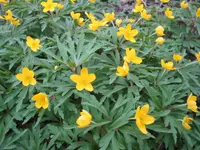
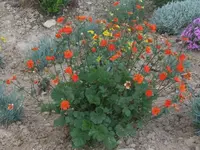
Geum coccineum is a compact, clump-forming perennial in the rose family, grown mainly for its bright orange to red, open-faced flowers. Plants carry blooms on slender stems above low mounds of softly textured, lobed leaves, giving a light, informal look to borders and cottage-style plantings.

This species is native to parts of southeastern Europe and western Asia, where it grows in meadows and open, rocky places. It is generally easy to grow if given sun to light shade, moderately moist soil, and reasonable drainage, so gardeners can care for Geum coccineum without specialized techniques.

Main Plant Requirements

Care Difficulty

Moderate Care

Light Preference

Full Sun

Water Requirements

Regular Water

Temperature Preference

Cold Hardy

Hardiness Zone

4–8

Soil Texture

Loamy, Sandy, Organic-rich

Soil pH

Acidic (5.5–6.5), Slightly acidic (6.5–7.0)

Soil Drainage

Moist but well-drained

Fertilization

Light (every 4–6 weeks)

Get Personalized Care Plan

Scan your plant to receive care tips personalized for your specific plant

Available on iOS and Android

How to Care for the Geum coccineum

This plant prefers bright, cool conditions with consistent access to sun during the growing season.

  • Provide 4–6 hours of direct morning sun with light afternoon shade; in hotter regions, protect from strong sun after 2–3 p.m. to reduce leaf scorch.
  • It tolerates partial shade, but flowering of Geum coccineum is heaviest in spots with at least half a day of sun and open sky, not deep shade.
  • In summer, monitor for bleached or crispy leaves as a sign of excessive sun; in too much shade, expect weak stems and fewer blooms.

This perennial prefers evenly moist, well-drained soil that never stays soggy for long periods.

  • Water when the top 3–5 cm of soil feel dry, soaking the root zone thoroughly, then allow excess to drain away completely.
  • During hot, dry weather, increase checks to every 1–2 days; in cool or rainy periods, extend intervals and rely more on natural rainfall.
  • Wilting in dry soil signals underwatering, while yellowing, limp leaves and a sour soil smell suggest overwatering and poor drainage, which Geum coccineum dislikes.

This hardy perennial handles cool conditions well but grows best in moderate temperatures.

  • Optimal growth occurs around 60–70°F (15–21°C), with good flowering in mild spring and early summer weather.
  • Mature plants tolerate winter lows near 0°F (-18°C) in the ground when soil drains well, though emerging shoots can be damaged by late hard frosts.
  • In summer, sustained heat above 85°F (29°C) can stress plants; provide mulch and light afternoon shade to keep roots cooler and reduce wilting.

This species is tolerant of a wide humidity range and usually needs no special humidity management outdoors.

Geum coccineum prefers cool, moist, well-aerated ground that drains freely yet does not dry out quickly.

  • Use a loamy soil rich in organic matter, such as garden loam mixed with compost, to support steady growth.
  • Aim for slightly acidic to neutral pH around 6.0–7.0, avoiding strongly acidic or alkaline sites that limit nutrient uptake.
  • Improve drainage and aeration by incorporating coarse sand or fine grit into heavy clay before planting.
  • Avoid compacted, waterlogged, or extremely sandy soil where roots either suffocate or dry out rapidly.

This species grows reliably in containers when moisture and drainage are carefully managed.

  • Select a pot at least 25–30 cm wide and deep to accommodate its fibrous root system and short spreading habit.
  • Use a heavier material pot, such as ceramic or clay, to reduce tipping when flowering stems extend above the rim.
  • Raise the container slightly on pot feet or bricks so drainage holes stay clear and excess water escapes quickly after rain or watering.

This perennial benefits from light, targeted feeding to support steady flowering without excessive leafy growth.

  • Apply a balanced, slow-release fertilizer (for example 10-10-10) at half strength in early spring as new growth starts.
  • Supplement with a thin layer of compost around the root zone once in spring to improve soil structure and nutrients.
  • If desired, give a diluted balanced liquid feed every 4–6 weeks during active blooming.
  • Stop feeding Geum coccineum by late summer and avoid fertilization in winter dormancy.

Thoughtful pruning keeps this clumping perennial compact and encourages repeat flowering.

  • In late spring and summer, deadhead spent flower stalks down to a healthy leaf to extend bloom.
  • Remove dead, damaged, or diseased leaves whenever noticed, using clean, sharp hand pruners or scissors.
  • In early autumn or late winter, cut back untidy or crowded foliage to just above the crown to refresh growth.
  • Thin congested clumps every few years to maintain good air flow and reduce fungal problems.

This plant is usually grown in the ground, with attention focused on dividing and transplanting mature clumps.

  • Plan major transplanting or division for early spring or early autumn when temperatures are mild.
  • Look for crowded centers, reduced flowering, or slow growth as signs a clump needs lifting and division every 3–4 years.
  • Carefully dig around the root mass, lift the clump, and tease or cut it into sections, each with healthy roots and shoots.
  • Replant divisions at the same depth in moist, well-drained soil, water thoroughly, and shade lightly for a few days to limit stress.

Gardeners most often increase Geum coccineum by division, with seed used for larger-scale growing.

  • Divide established clumps in early spring or early autumn, when soil is workable and temperatures are moderate.
  • Lift the plant, then split into several sections, each holding vigorous buds and roots, and replant immediately.
  • For seed, sow fresh seed on the surface of moist, well-drained mix and keep at 60–68°F with bright, indirect light.
  • Maintain even moisture, then thin seedlings once true leaves appear to avoid overcrowding and weak growth.

This hardy perennial tolerates typical winter conditions in many temperate gardens and needs only modest care.

  • In USDA zones where it is hardy, crowns usually survive freezing temperatures without elaborate protection.
  • After hard frosts, cut back dead foliage to reduce disease carryover and keep borders tidy.
  • Apply a 5–8 cm layer of organic mulch around, but not over, the crown to buffer soil temperature fluctuations.
  • In very cold or exposed sites, consider growing Geum coccineum in containers and overwintering them in a sheltered, unheated space.

Care Tips

Encourage repeat bloom

Deadhead spent flower stems down to the first strong leaf node to extend the blooming period and keep energy directed into new buds rather than seed production.

Use light mulching

Apply a thin 2–3 cm layer of composted bark or leaf mold around, but not touching, the crowns to keep roots cool, conserve moisture, and reduce weed competition without risking crown rot.

Divide for vigor

Every 3–4 years, lift and divide clumps in early spring or early fall, replanting only the youngest outer sections to maintain flower quality and prevent the center from becoming woody and unproductive.

Support in windy sites

In exposed beds, insert low, discreet ring supports or short pea sticks early in the season so stems can grow through them and are less likely to flop or snap in strong wind or heavy rain.

Monitor for crown rot

Check the crown zone regularly after wet periods, removing any mushy or blackened tissue promptly and improving drainage around affected plants, which is essential when caring for Geum coccineum in heavier soils.

Common Pests and Diseases

Powdery mildew

This disease causes a white, powdery coating on leaves, stems, and flower stalks, often in warm days and cool, humid nights. Symptoms include distorted new growth and reduced flowering if the infection is heavy.

Solution

Remove and discard the most affected leaves to reduce spore load, then improve air circulation by thinning crowded clumps and avoiding overhead watering late in the day. In persistent cases, apply a sulfur or potassium bicarbonate fungicide labeled for ornamentals, starting early in the season and repeating as directed when growing Geum coccineum in dense plantings.

Leaf spot

This disease produces small brown, purple, or tan spots on foliage that may merge into larger blotches, leading to premature leaf drop. Symptoms include more severe damage in humid, shaded positions or where foliage stays wet for long periods.

Solution

Cut off and dispose of affected leaves and any plant debris around the crown to remove sources of infection. Water at soil level, increase spacing for better airflow, and if spotting continues, use a copper-based or chlorothalonil fungicide labeled for perennial ornamentals, following package directions carefully.

Aphids

These insects cluster on tender stems, buds, and the undersides of leaves, sucking sap and causing curling, yellowing, or distorted growth. This pest also produces sticky honeydew that can attract ants or lead to sooty mold on foliage.

Solution

Spray plants with a firm stream of water to dislodge colonies, repeating every few days during outbreaks, and remove heavily infested shoots. For ongoing problems, treat with insecticidal soap or a light horticultural oil, making sure to coat the undersides of leaves and young flower stems.

Leaf miners

These insects create pale, winding tunnels within Geum leaves as larvae feed between leaf surfaces. Symptoms include serpentine or blotchy trails that make foliage look discolored and unsightly but rarely kill the plant outright.

Solution

Promptly remove and discard affected leaves to reduce larvae and prevent the next generation of adults. For recurring issues, use floating row covers early in the season to block egg-laying or apply a systemic insecticide specifically labeled for leaf miners on ornamental perennials, following label rates and timing.

Botrytis blight

This disease causes gray, fuzzy mold on fading flowers, buds, and sometimes leaves, especially in cool, damp conditions. Symptoms include rotting petals, water-soaked spots, and collapse of flower stems close to the crown.

Solution

Deadhead spent flowers quickly, remove any rotting or moldy tissue, and keep the crown area clear of plant debris to reduce humidity. Improve airflow by spacing plants and avoid wetting foliage; if conditions stay cool and wet, a fungicide labeled for botrytis on ornamentals may be used preventively when flower stems first emerge.

Interesting Facts

Balkan mountain origins

This species is native to the mountainous regions of the Balkans, where it grows in open, rocky meadows and light woodland edges, adapted to cool summers and well-drained, often limestone-based soils.

Hybrid-friendly genetics

It readily crosses with related Geum species, such as Geum chiloense, and has been used as a parent in several ornamental hybrids that combine its hardiness with larger or more intensely colored flowers.

Early-season nectar source

In temperate gardens it tends to flower from late spring into early summer, providing an important early nectar and pollen source for bees and other pollinating insects before many summer perennials reach peak bloom.

FAQs about Geum coccineum

Lack of flowers usually comes from too much shade, nutrient-poor or very dry soil, or overcrowded clumps. Divide mature plants every 3–4 years and deadhead spent blooms to direct energy into new flower production.

Grow Healthy Plants with Botan Care

Keep your plants happy and healthy with plant identification, disease detection, and easy care guidance.

Botan plant care app — identify plants on mobile

Explore More Plants