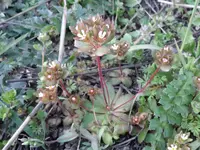
scalebud Care (Anisocoma acaulis)

scalebud

About scalebud

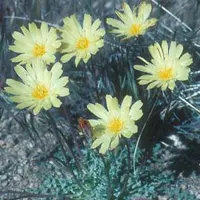
Scalebud, Anisocoma acaulis, is a small desert wildflower in the daisy family, forming low rosettes close to the ground. It produces pale yellow to cream flower heads on short, hollow stems that rise just above the foliage, giving it a delicate, airy look.

This species is native to arid regions of the southwestern United States, where it grows in sandy or gravelly soils and open, sunny habitats. Its natural adaptation to drought and poor soils makes it interesting for rock gardens and native xeric plantings.

Because it comes from harsh, dry landscapes, it is moderately challenging outside similar climates. To care for scalebud, gardeners need very sharp drainage, full sun, and careful watering to avoid rot.

Main Plant Requirements

Care Difficulty

Moderate Care

Light Preference

Full Sun

Water Requirements

Low Water

Temperature Preference

Cool Climate

Hardiness Zone

6–9

Soil Texture

Sandy, Rocky, Loamy

Soil pH

Slightly acidic (6.5–7.0), Neutral (7.0)

Soil Drainage

Well-drained

Fertilization

Minimal (feed rarely)

Get Personalized Care Plan

Scan your plant to receive care tips personalized for your specific plant

Available on iOS and Android

How to Care for the scalebud

This desert wildflower needs bright, direct sun to bloom well in open, dry sites.

  • Provide 6–8 hours of full sun daily; morning and midday sun suit scalebud best in its native arid habitats.
  • In hotter low-elevation areas, allow light afternoon shade or filtered sun to reduce leaf scorch and moisture stress.
  • Avoid deep shade, which leads to weak, elongated growth and poor flowering; choose open, south- or west-facing locations in the garden.

Anisocoma acaulis is adapted to dry conditions and requires infrequent, careful watering.

  • Allow the soil to dry fully at least in the top 5–8 cm before watering again; the surface should look and feel dry.
  • Use very well-drained, sandy or gravelly soil so water does not pool around the roots, which increases rot risk.
  • In active growth and flowering, water deeply but rarely; in summer dormancy or prolonged heat, reduce or stop watering and watch foliage die back naturally.

This species prefers cool to warm, dry conditions with good tolerance of temperature swings.

  • Optimal growth occurs around 60–80°F (16–27°C) during the main growing season in late winter to spring.
  • Plants tolerate brief drops to about 20°F (−6°C) when soil is dry but are damaged by sustained hard frost or wet cold.
  • In hot spells above 90°F (32°C), flowering slows and foliage may go dormant; provide drought-style care and avoid overhead watering during heat.

This desert perennial tolerates very dry air and usually does not need humidity adjustment indoors or outdoors.

This species needs very fast-draining, mineral-rich soil that mimics dry desert washes.

  • Use a gritty, sandy mix with 50–70% coarse sand or fine gravel plus a low-organic cactus or succulent substrate.
  • Ensure rapid drainage; water should run through in seconds and the surface should dry fully between waterings to prevent root rot.
  • Keep pH slightly acidic to neutral around 6.0–7.0; avoid heavy clay or peat-heavy mixes that hold water for long periods.
  • For Anisocoma acaulis in containers, increase aeration by adding extra pumice or coarse perlite to keep the root zone airy.

This low, taprooted desert plant can be grown in containers if the pot is adapted to its deep, dry-rooted habit.

  • Choose a pot that is notably deeper than it is wide so the taproot can extend without curling tightly at the base.
  • Select unglazed terracotta or similarly porous material to speed evaporation and reduce the risk of prolonged wetness around the root.
  • Place the container where rain or irrigation splashing is minimized, since consistently dry surface conditions help maintain its desert growth pattern.

This desert annual needs minimal feeding; excessive fertilizer can reduce flowering and stress the plant.

Anisocoma acaulis needs little pruning, mainly cleanup to keep rosettes healthy and flowering well.

  • In late spring or after flowering, remove spent flower stalks at the base with clean scissors.
  • Trim away dead or damaged leaves to reduce disease risk and improve airflow around the crown.
  • Avoid cutting into healthy green tissue, as this small rosette stores limited reserves in its leaves.

This species is usually grown in the ground; transplanting is infrequent and should be done with care to its small root system.

  • Transplant in early spring when cool and soil is moist but draining well.
  • Move only when roots fill a plug cell, growth stalls, or plants outgrow a nursery pot.
  • Lift with a wide soil ball to reduce root tearing, keeping as much native soil around roots as possible.
  • Water gently after transplanting, then allow soil to dry slightly between waterings to limit rot.

Propagation of this desert wildflower is mainly done by seed under suitable dryland conditions.

  • Sow fresh seed in fall or very early spring to align with natural cool, moist periods.
  • Use a sharply draining sandy mix or well-drained native soil, avoiding rich organic substrates.
  • Press seeds lightly into the surface; do not bury deeply, as light improves germination.
  • Keep moisture light and even until seedlings emerge, then gradually transition to drier conditions.

Mature plants complete their life cycle quickly and usually need no special winter care.

  • In mild winter regions, natural reseeding supports long-term stands when spent flowers are left in place.
  • Where winters are wet and cool, ensure excellent drainage to reduce crown and root rot.
  • For container-grown scalebud in very wet climates, move pots under cover to keep soil on the dry side.

Care Tips

Sand scree mound

Build a low, free-draining mound of coarse sand and gravel 10–15 cm high to mimic desert scree and keep the crown from sitting in pooled water during rare heavy rains.

Summer heat pause

If flowering stops during very hot, dry spells, avoid extra watering and fertilizer and instead allow the plant to semi-dorm while keeping the root zone just barely on the dry side to prevent rot.

Seedhead timing

Leave spent flower heads on the plant until they dry and begin to open, then collect and store seed in a cool, dry place for fall or early spring sowing to refresh the colony.

Rock mulch use

Apply a thin, open layer of angular gravel or small rocks around the base instead of organic mulch to reduce evaporation while keeping stems and crown well aerated.

Low-competition spacing

Maintain a sparse planting with at least 15–20 cm between rosettes and hand-weed regularly so shallow roots do not have to compete with turf grass or vigorous groundcovers when growing scalebud.

Common Pests and Diseases

Powdery mildew

This disease can appear on desert-grown plants or those in overly humid sites, forming white, powdery patches on leaves and stems and stunting new growth.

Solution

Improve air circulation, keep foliage dry, and avoid overhead watering; remove and dispose of heavily infected leaves. In garden settings, a sulfur or potassium bicarbonate spray labeled for ornamentals can help protect new growth if applied early and according to label directions.

Botrytis blight

This disease develops in cool, damp conditions, causing gray, fuzzy mold on fading flowers and sometimes on nearby leaves and stems.

Solution

Promptly deadhead spent blooms and remove any soft, decaying tissue, then increase sun exposure and airflow where possible. In persistent, wet conditions, a fungicide labeled for gray mold on ornamentals may be used as a preventative on healthy tissue, following all safety and timing directions.

Aphids

These insects gather on young stems and flower stalks, sucking plant sap, distorting new growth, and leaving sticky honeydew that can attract sooty mold.

Solution

Dislodge colonies by spraying plants with a firm jet of water, then monitor and repeat as needed; small populations can be wiped off by hand. For heavier infestations in ornamental plantings, use insecticidal soap or a light horticultural oil, applied thoroughly to stems and leaf undersides in cool parts of the day.

Leafhoppers

These insects feed on foliage and stems, causing pale stippling, small yellow patches, and sometimes spreading viral diseases between plants.

Solution

Reduce dusty conditions around plantings, which favors leafhoppers, and remove nearby weedy hosts that can harbor populations. Where damage is persistent, use a fine-mesh row cover to exclude insects or apply insecticidal soap or pyrethrin-based products labeled for leafhoppers, taking care to spray in the evening to reduce impact on pollinators.

Interesting Facts

Desert rosette strategy

This species grows as a low, flat rosette pressed close to the ground, which helps reduce water loss and protects it from strong desert winds in its Mojave and Sonoran Desert habitats.

Milky latex sap

The plant produces a conspicuous milky latex in its tissues, a common trait in the daisy family that likely deters many herbivores from feeding on it.

Early spring bloomer

In suitable desert conditions it often flowers in early spring, taking advantage of brief cool and moist periods before high summer heat returns.

Botan icon

Did you know?

The genus Anisocoma is monotypic, meaning this single species is the only representative of its entire genus, making it of particular interest for studies of daisy family evolution in North American deserts.

FAQs about scalebud

This desert annual usually blooms in spring, often from March to May, depending on rainfall and temperature. Individual flowers are short-lived, typically lasting only a few days, but successive buds can extend the overall display for several weeks.

Grow Healthy Plants with Botan Care

Keep your plants happy and healthy with plant identification, disease detection, and easy care guidance.

Botan plant care app — identify plants on mobile

Explore More Plants