wrinkleleaf goldenrod Care (Solidago rugosa)

Also known as: common wrinkle-leaved goldenrod, rough-stemmed goldenrod, rough-leaved goldenrod, roughleaf goldenrod, fireworks goldenrod
wrinkleleaf goldenrod

About wrinkleleaf goldenrod

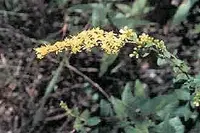
Wrinkleleaf goldenrod (Solidago rugosa) is a hardy North American perennial wildflower known for its arching stems and dense clusters of small yellow flowers late in the season. It typically forms upright, leafy clumps with slightly wrinkled foliage, creating a textured, informal look in borders and naturalistic plantings.

This species is native to moist meadows, open woods, and stream edges in eastern North America, so it usually handles cold winters and variable conditions well. Once established, it is generally easy to maintain, though its vigorous growth and self-seeding habit may require occasional thinning. It prefers full sun to light shade and soil that stays moderately moist but not waterlogged, which supports long-term success when learning how to care for wrinkleleaf goldenrod.

Main Plant Requirements

Care Difficulty

Easy Care

Light Preference

Full Sun

Water Requirements

Moderate Water

Temperature Preference

Cold Hardy

Hardiness Zone

3–8

Soil Texture

Sandy, Loamy, Clay

Soil pH

Acidic (5.5–6.5), Slightly acidic (6.5–7.0)

Soil Drainage

Moist but well-drained

Fertilization

Minimal (feed rarely)

Get Personalized Care Plan

Scan your plant to receive care tips personalized for your specific plant

Available on iOS and Android

How to Care for the wrinkleleaf goldenrod

This sun-loving perennial thrives in open, bright conditions but adapts to light shade.

  • Aim for 6–8 hours of direct sun daily; wrinkleleaf goldenrod flowers most heavily in full sun sites such as open borders or meadow-style plantings.
  • Tolerates partial shade, especially light afternoon shade in hotter regions, but too much shade leads to fewer blooms and taller, weaker stems that may flop.
  • In summer, protect from reflected heat off walls or pavement; in cooler seasons, ensure plants are not shaded by overgrown shrubs or trees so they still receive strong light.

This species prefers consistently moist, well-drained soil rather than extremes of drought or saturation.

  • In average garden soil, allow the top 3–5 cm to dry before the next deep soak, focusing water at the root zone instead of overhead sprinkling when possible.
  • During hot, dry periods, monitor Solidago rugosa for wilting or crisping lower leaves, which signal the need for more frequent, thorough watering.
  • Avoid compacted or poorly drained sites; yellowing, soft stems and a sour soil smell can indicate overwatering and root stress, especially after prolonged rain.

This hardy perennial tolerates a wide temperature range typical of temperate outdoor gardens.

  • Active growth and flowering occur best around 65–80°F (18–27°C), with strong stems and reliable bud development in these conditions.
  • Established plants survive winter cold down to about -20°F (-29°C) in the ground, dying back above soil level and re-sprouting from the root system in spring.
  • Handles summer heat up to about 90–95°F (32–35°C) if soil moisture is maintained; prolonged extreme heat with drought can reduce flowering and cause leaf scorch.

This species grows well in typical outdoor humidity and rarely needs special humidity management.

This species prefers moderately fertile, well-structured soil that drains freely but does not dry out too quickly.

  • Use loamy or sandy-loam soil with 20–30% compost mixed in to support strong growth and consistent moisture.
  • Aim for slightly acidic to neutral pH, around 6.0–7.0, which suits Solidago rugosa in most garden settings.
  • Improve drainage and aeration in heavier soils by incorporating coarse sand or fine gravel, not only peat-based amendments.
  • Avoid constantly waterlogged, compacted, or very heavy clay soil, which promotes root rot and reduces oxygen around the roots.

This species can be grown in containers if the pot is large and stable enough for its tall, spreading growth.

  • Choose a deep, wide container so the root system and tall stems have enough anchoring mass and do not tip in wind.
  • Use a heavier material such as ceramic or thick-walled plastic if the site is exposed, to reduce pot movement and blow-overs.
  • Fill with a freely draining mix and raise the pot slightly off the ground so drainage holes stay clear and water runs out quickly.

Solidago rugosa usually thrives in average garden soil and needs only light feeding for best flowering.

  • Apply a thin layer of compost or well-rotted manure around clumps in early spring to support growth.
  • If soil is poor, use a balanced slow-release fertilizer (around 10-10-10) once in spring at label rate.
  • Avoid high-nitrogen products, which cause floppy stems and fewer blooms.
  • Do not feed wrinkleleaf goldenrod after midsummer so growth can harden off before winter.

Pruning Solidago rugosa is mainly used to control height, tidy the clump, and support flowering.

  • In late winter or early spring, cut all old stems back to 5–10 cm above ground with clean pruners.
  • During late spring, shear or pinch taller stems by 1/3 to reduce flopping and encourage bushier growth.
  • Remove dead, diseased, or storm-damaged shoots whenever noticed to maintain plant health.
  • After flowering, deadhead spent plumes if you want fewer self-sown seedlings and a neater look.

This species is usually grown in the ground; transplanting clumps keeps Solidago rugosa vigorous and contained.

  • Plan division and transplanting in early spring or early fall when temperatures are mild.
  • Lift crowded clumps every 3–4 years, especially if flowering declines or centers die out.
  • Use a sharp spade or knife to split clumps into sections with healthy roots and several shoots.
  • Replant divisions at the same depth, water thoroughly, and keep evenly moist for 2–3 weeks to limit stress.

Solidago rugosa is commonly propagated by division, with seed and cuttings as additional options for larger plantings.

  • Divide mature clumps in early spring or early fall, replanting vigorous outer sections promptly.
  • Sow ripe seeds outdoors in fall; natural cold exposure improves germination in spring.
  • For stem cuttings, take non-flowering shoots in late spring, use rooting hormone, and keep in moist, well-drained medium.
  • Space new plants well in full sun and water consistently until established to ensure strong root development.

This perennial is cold hardy in most temperate climates and usually needs minimal winter care.

  • After hard frost, stems may be left standing for wildlife or cut back to near ground level.
  • Apply a 5–7 cm layer of organic mulch around the root zone in late fall, keeping mulch off stems.
  • In very cold or exposed sites, add extra mulch or leaves to stabilize soil temperature for young clumps.

Care Tips

Staggered clump renewal

Every 3–4 years, divide and replant only one-third to one-half of the clump at a time so the planting keeps blooming strongly without leaving bare gaps in the border.

Targeted flopping control

If stems begin to lean, install low, ring-style supports or discreet stakes in late spring and lightly tie several stems together rather than staking individual stems, which keeps large clumps upright and natural-looking.

Managed self-seeding

If you want some natural spread but not a takeover, let only a few central seed heads mature and remove the rest promptly after flowering to limit excess seedlings while still feeding birds.

Rust and mildew monitoring

From mid-summer, inspect lower leaves weekly for yellow or rusty spots and powdery patches, then quickly remove and bin affected foliage to slow fungal diseases and keep air moving through the stand.

Pollinator-friendly deadheading

Skip deadheading the earliest flower clusters to support pollinators, then remove only the latest spent panicles before seed set if you need to reduce self-sowing while still caring for wrinkleleaf goldenrod in an ecologically sensitive way.

Common Pests and Diseases

Leaf rust

This disease causes yellow to orange powdery pustules on leaf surfaces, often leading to early leaf drop in late summer or fall.

Solution

Remove and destroy heavily infected leaves, avoid overhead watering, and space clumps to improve air movement; in severe, recurring cases, apply a labeled sulfur or chlorothalonil fungicide in late summer at the first signs of spots.

Powdery mildew

This disease produces white, powdery patches on leaves and stems, which can cause distorted growth and reduced vigor during humid weather.

Solution

Thin and divide dense stands to increase air circulation, water at soil level, and remove the worst affected foliage; if needed, use a potassium bicarbonate or neem oil product labeled for powdery mildew and repeat according to label directions.

Aster leafhopper

These insects feed on leaf sap and can transmit aster yellows, causing stunted, yellowed growth and malformed flower clusters.

Solution

Monitor plants regularly and remove any suspiciously distorted or yellowed stems, reduce nearby weeds that host leafhoppers, and use fine mesh row covers or targeted applications of insecticidal soap or pyrethrin when high numbers are present.

Goldenrod gall fly

This insect causes round or spindle-shaped galls on stems where larvae feed inside, which may slightly weaken or bend individual flowering stems.

Solution

Prune out and discard galled stems in late fall or early spring before adults emerge; in ornamental beds, maintaining plant diversity and avoiding unnecessary nitrogen fertilization reduces the attractiveness of stands for gall formation.

Goldenrod bunch gall midge

This insect induces dense, tufted clusters of small leaves at stem tips, giving the plant a broomed or rosette-like appearance at affected shoots.

Solution

Cut off and dispose of galled shoot tips during the growing season to remove larvae and limit spread, and maintain overall plant vigor through appropriate watering and periodic division so minor damage remains mostly cosmetic.

Interesting Facts

Distinctly rugose leaves

This species is easily recognized by its rugose, or wrinkled, leaf surface, a trait reflected in the epithet rugosa and used by botanists to distinguish it from many smoother-leaved goldenrods.

Moist-habitat specialist

Unlike many goldenrods that prefer dry, open sites, this species naturally favors moist fields, stream banks, and wet meadows in eastern North America, often forming dense patches in seasonally damp soils.

High-value pollinator plant

Its late-season, branched flower clusters provide nectar and pollen for a broad range of native bees, wasps, flies, and butterflies, making it a key resource in fall pollinator networks in its native range.

Botan icon

Did you know?

Several named horticultural selections of this species, such as compact or arching forms, have been developed specifically for ornamental use in gardens because they combine showy late-season flowers with relatively restrained growth compared with some other goldenrods.

FAQs about wrinkleleaf goldenrod

This species spreads by both self-seeding and short rhizomes, so it can form dense colonies over time. In small gardens, division, deadheading spent blooms, and removing unwanted seedlings help keep clumps within bounds.

Grow Healthy Plants with Botan Care

Keep your plants happy and healthy with plant identification, disease detection, and easy care guidance.

Botan plant care app — identify plants on mobile

Explore More Plants