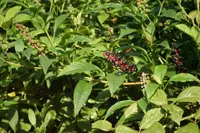
marsh fleabane Care (Tephroseris palustris)

Also known as: marsh fleawort, clustered marsh ragwort
marsh fleabane

About marsh fleabane

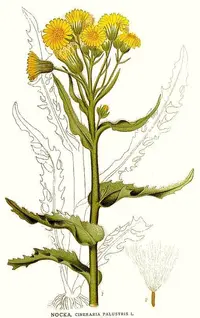
Marsh fleabane (Tephroseris palustris) is a moisture-loving, short-lived perennial or biennial from the aster family. It typically grows in wet meadows, marsh edges, and peatlands. It forms upright, leafy stems topped with clusters of small, yellow, daisy-like flower heads. The foliage is soft and often slightly sticky, giving the plant a somewhat downy look. This species is native to cool, northern regions of Europe, Asia, and North America, where it thrives in consistently damp, low-nutrient soils. In cultivation it can be short-lived and prone to rot if soils dry out or stay waterlogged, so how to care for marsh fleabane focuses on maintaining cool, moist, but not stagnant conditions.


Main Plant Requirements

Care Difficulty

Moderate Care

Light Preference

Full Sun

Water Requirements

Aquatic

Temperature Preference

Cold Hardy

Hardiness Zone

2–6

Soil Texture

Loamy, Silty, Organic-rich

Soil pH

Acidic (5.5–6.5), Slightly acidic (6.5–7.0)

Soil Drainage

Waterlogged tolerant

Fertilization

Minimal (feed rarely)

Get Personalized Care Plan

Scan your plant to receive care tips personalized for your specific plant

Available on iOS and Android

How to Care for the marsh fleabane

This wetland wildflower prefers cool, bright conditions with gentle direct sun and long daylight hours.

  • Provide 4–6 hours of direct morning sun with light shade or filtered light in the hot afternoon, especially in warmer regions.
  • Allow partial shade (2–4 hours of sun) in midsummer; in cool, northern sites marsh fleabane can handle full sun if soil stays constantly moist.
  • Watch for stress: pale, floppy stems and sparse flowering indicate too little light, while scorched, crisped leaves signal excessive intense sun exposure.

This species is adapted to saturated soils and needs consistently high moisture without prolonged drying.

  • Keep soil constantly moist to wet; in natural or garden settings, the top 1–2 cm should rarely dry out, especially during active growth.
  • In spring and summer, increase watering whenever the surface begins to lose its sheen, aiming for soil that feels spongy but not soupy.
  • Reduce frequency slightly in late fall, but never allow cracking, dusty soil; yellowing, limp foliage suggests waterlogging, while wilting and dull, grayish leaves indicate underwatering in Tephroseris palustris.

This cool-temperate plant grows best in mild conditions and tolerates cold better than heat.

  • Aim for optimal growth at 55–70°F (13–21°C), conditions commonly found in cool, moist meadows and marshy habitats.
  • Plants usually survive down to about 20°F (-7°C) with protection from drying winds, but repeated hard freezes below this can damage crowns and young shoots.
  • Heat above 80°F (27°C), especially combined with dry air, can cause stress; provide shade, ample moisture, and mulch to moderate soil temperature during hot spells.

This wetland species prefers consistently moist air but adapts to typical outdoor humidity in temperate regions.

  • Aim for ambient humidity around 50–80% by siting plants near ponds, bog gardens, or other naturally damp areas.
  • Tolerates brief drier spells, but prolonged very dry air plus dry soil causes drooping foliage and crisp, browning leaf edges.
  • Increase humidity outdoors by mulching heavily around the base to slow surface evaporation and moderating wind exposure for marsh fleabane.

This species favors saturated, organic, marsh-like substrates rather than typical garden beds.

  • Use a deep, organic-rich mix such as 2 parts loam, 2 parts peat or coco coir, and 1 part sand to mimic marsh soil.
  • Keep drainage very slow, not free-draining; the root zone should remain consistently wet but not under stagnant, foul-smelling water.
  • Slightly acidic to neutral pH around 6.0–7.0 supports nutrient availability for Tephroseris palustris in cultivation.
  • Avoid compacted clay without amendment, dry sandy ground, or sharply drained rock-based mixes that allow the root zone to dry out.

This species can be grown in containers if the pot is managed to stay consistently wet and stable.

  • Choose a tall, heavy container that resists tipping when the saturated substrate and mature stems make the planting top-heavy.
  • Use a pot without side seepage and place it in a watertight outer basin so the mix can remain wet without drying between waterings.
  • Position the container where surface water from rain or irrigation can periodically overflow so excess salts do not accumulate in the saturated mix.

Tephroseris palustris is adapted to nutrient-poor wetlands and usually needs little or no fertilizer in garden settings.

Pruning Tephroseris palustris focuses on cleanliness and supporting healthy flowering rather than reshaping the plant.

  • Cut back spent flower stalks after blooming to encourage a tidy appearance and reduce unwanted self-seeding.
  • Remove dead, diseased, or storm-damaged stems at the base using clean, sharp scissors or hand pruners.
  • Thin out the most crowded shoots lightly in early spring to improve air flow and reduce fungal problems.

This wetland species is more often transplanted in the ground than grown in pots, and it resents frequent disturbance.

  • Transplant in early spring or early fall, when temperatures are mild and soil stays evenly moist.
  • Move plants only when clumps become overcrowded or growth noticeably weak, typically every few years at most.
  • Lift with a wide root ball, keep roots constantly damp, and replant at the same depth in moist, organic soil.
  • Water thoroughly after transplanting and shade lightly for a few days to reduce transplant shock.

Tephroseris palustris is most commonly propagated by seed under cool, consistently moist conditions.

  • Collect seeds as flower heads dry, then sow them fresh in late summer or store cool and dry for spring sowing.
  • Surface-sow seeds in a moist, fine seed mix; do not bury deeply, as light helps trigger germination.
  • Maintain cool temperatures around 55–65°F and steady moisture until seedlings appear, usually within a few weeks.
  • Transplant young plants gently into wet, organic soil once they have several true leaves and strong roots.

This short-lived wetland species is generally cold hardy in its native range and needs minimal winter attention in the ground.

  • Apply a light mulch layer after the ground cools to stabilize soil moisture and temperature around the roots.
  • Avoid waterlogged ice sheets over the planting area, which can suffocate roots under frozen conditions.
  • For container plants, move pots into a cold, sheltered spot or plunge them into the ground to insulate roots.

Care Tips

Seasonal Water Table

In outdoor bog or pond-edge plantings, position roots where the spring water table stays just below the crown, then allow the level to drop slightly in late summer to reduce rot risk and mimic its natural seasonal moisture shift.

Rot-Resistant Mulch

Use a thin layer (1–2 cm) of coarse sand or fine grit as a surface mulch around the stems instead of organic bark mulch to keep the crown aerated and reduce damping-off and crown rot in this moisture-loving species.

Self-Seeding Management

If you want controlled natural reseeding, leave some spent flower heads to dry fully on the plant, then shake them over the desired area and lightly press the seed into the wet soil without covering it deeply.

Wind-Safe Support

In exposed wet sites, insert discreet low peony rings or short bamboo tripods early in the season so the soft, hollow stems have support before strong winds and heavy rain flatten or snap them.

Disease-Safe Deadheading

When deadheading, cut several centimeters below any discolored tissue and dispose of removed material away from wet beds to limit the spread of fungal spores, which travel easily in the humid environments typical when growing marsh fleabane.

Common Pests and Diseases

Powdery mildew

This disease causes a white to gray, powdery coating on leaves and stems, often in dense stands or humid conditions. Symptoms include distorted growth and premature leaf yellowing or death.

Solution

Remove and destroy heavily infected leaves to reduce spore spread, and thin crowded patches to improve air circulation. Avoid overhead watering, water early in the day so foliage dries quickly, and if needed use a sulfur or potassium bicarbonate fungicide labeled for ornamental or wildflower use, following label directions closely.

Leaf spots

This disease complex produces small brown, tan, or dark purple spots that may merge into larger dead patches on leaves. Symptoms include early leaf drop and reduced vigor, especially in warm, wet weather or standing water.

Solution

Remove and discard affected leaves and plant debris to reduce the source of infection, and avoid splashing water onto foliage. Improve spacing and water flow in marshy plantings, and in serious cases apply a copper-based fungicide suitable for ornamentals, using it sparingly to protect nearby aquatic life.

Aphids

These insects feed on young stems and undersides of leaves, causing curling, distortion, and sticky honeydew that can attract sooty mold. This pest is often found on vigorous new growth in nutrient-rich, wet soils.

Solution

Rinse colonies off with a strong but controlled stream of water, focusing on shoot tips and leaf undersides. For persistent infestations, use insecticidal soap or a light horticultural oil, applied in the early morning and repeated as directed, while encouraging natural predators such as lady beetles by limiting broad-spectrum insecticides nearby.

Leaf-mining fly larvae

These insects create pale, winding tunnels inside leaves as the larvae feed on inner tissues. Symptoms include serpentine trails and blotches that reduce photosynthesis and weaken the plant when damage is heavy.

Solution

Hand-remove and discard mined leaves as soon as damage is noticed to break the life cycle. In larger stands, focus on sanitation by removing plant debris at the end of the season; if damage is severe and recurrent, use a systemic insecticide labeled for ornamental use while avoiding applications near open water bodies.

Interesting Facts

Annual life strategy

This marsh fleabane is an annual in most of its range, completing its entire life cycle from seed to seed within a single growing season, which allows it to exploit short-lived wet habitats that may dry or freeze later in the year.

Floodplain specialist

The species naturally grows in wet meadows, fens, and river floodplains where water levels fluctuate, tolerating saturated, oxygen-poor soils that would stress many other herbaceous plants.

Circumpolar distribution

It has a broad, mainly northern distribution across cool regions of Europe, Asia, and North America, reflecting its adaptation to cold climates and seasonally wet ground rather than to warm or arid environments.

Botan icon

Did you know?

Pollen records from peat and lake sediments show that this species has been part of northern wetland floras since at least the late glacial and early Holocene, making it a long-standing component of post-ice-age vegetation in boreal and subarctic landscapes.

FAQs about marsh fleabane

This species behaves as a short-lived annual or biennial in most conditions. It usually germinates, grows, flowers, sets seed, then dies within 1–2 seasons, relying on self-sown seed to maintain a population.

Grow Healthy Plants with Botan Care

Keep your plants happy and healthy with plant identification, disease detection, and easy care guidance.

Botan plant care app — identify plants on mobile

Explore More Plants