cobaea beardtongue Care (Penstemon cobaea)

Also known as: Prairie penstemon, Wild Foxglove
cobaea beardtongue

About cobaea beardtongue

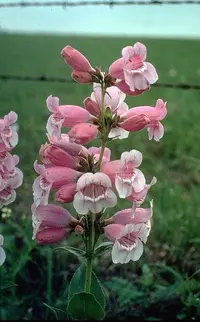
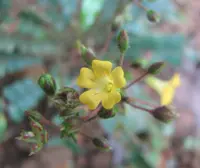
Cobaea beardtongue (Penstemon cobaea) is a perennial wildflower native to rocky prairies and open limestone areas in the central United States. It forms clumps of upright stems with showy, tubular white to pale pink flowers.

The flowers are large for a Penstemon species and attract bees and hummingbirds, adding strong pollinator value in gardens. Thick, somewhat leathery leaves and a deep root system give it good drought tolerance once established.

It suits low-maintenance, sunny borders and naturalistic plantings where soil drains well and fertility is moderate. Understanding how to care for cobaea beardtongue starts with providing sun, sharp drainage, and avoiding consistently wet conditions.

Main Plant Requirements

Care Difficulty

Moderate Care

Light Preference

Full Sun

Water Requirements

Low Water

Temperature Preference

Cold Hardy

Hardiness Zone

4–9

Soil Texture

Sandy, Loamy, Rocky

Soil pH

Acidic (5.5–6.5), Slightly acidic (6.5–7.0)

Soil Drainage

Well-drained

Fertilization

Minimal (feed rarely)

Get Personalized Care Plan

Scan your plant to receive care tips personalized for your specific plant

Available on iOS and Android

How to Care for the cobaea beardtongue

This sun-loving perennial flowers best with strong light and good air movement.

  • Provide 6–8 hours of direct sun daily; morning sun plus light afternoon shade helps prevent flower scorch in hotter regions.
  • Cobaea beardtongue tolerates light partial shade (3–4 hours sun), but stems may stretch and bloom count decreases.
  • In hot summers, protect from intense late-afternoon sun with dappled shade; in cooler climates, choose an open, south- or west-facing site to extend the flowering season.

This species prefers evenly drying soil between waterings rather than constant moisture.

  • Water when the top 3–5 cm of soil feels dry and the foliage looks firm; allow soil to dry slightly deeper in cool or wet weather.
  • Use fast-draining soil or amended garden beds so water drains within a few minutes and does not pool around the crown.
  • Watch for yellowing, soft stems as a sign of overwatering and crisp, folding leaves as a sign of underwatering, then adjust watering depth and frequency.

This hardy perennial handles a wide range of outdoor conditions when established.

  • Best growth occurs around 65–80°F (18–27°C) during the day and slightly cooler nights, especially in spring and early summer.
  • Mature plants usually tolerate brief drops to about 0–10°F (-18 to -12°C), but young plants benefit from mulch to buffer sudden cold snaps.
  • In hot climates with summer highs above 90°F (32°C), provide afternoon shade and consistent soil moisture to reduce heat stress and extend flowering.

This species is adapted to dry, open habitats and usually does not need special humidity management.

  • Aim for ambient outdoor humidity around 30–50%, as higher, stagnant moisture around foliage can encourage fungal leaf spots.
  • Plants tolerate dry air well; humidity stress is more likely from prolonged dampness than from low humidity.
  • Watch for mildew, soft stems, or spotting after rainy, humid spells and increase spacing and airflow to dry foliage quickly.

Penstemon cobaea prefers lean, fast-draining soil that mimics rocky prairie or open hillside conditions.

  • Use a sandy or gravelly loam with coarse structure; mix roughly 50–60% garden loam with 20–30% coarse sand and 10–20% fine gravel or grit.
  • Keep drainage very sharp; water should pass through within seconds, so avoid heavy clay and do not add materials that hold persistent moisture.
  • Target a slightly alkaline to neutral pH around 6.8–7.5; in acidic soils, lightly incorporate garden lime and coarse grit before planting.
  • Improve aeration by raising beds, using rocky mulch, and avoiding high peat or manure content, which stay wet and favor root rot.

This species can be grown in containers if the pot is prepared to mimic very sharp, dryish ground conditions.

  • Choose a deep, heavy container that will not tip in wind, as tall, flower-laden stems can make the plant top-heavy.
  • Fill the pot with a gritty mix, such as 40% commercial potting mix, 30% coarse sand, and 30% pumice or fine gravel, to prevent waterlogging.
  • Elevate the container on pot feet or bricks so drainage holes stay clear and excess water escapes quickly after rain or irrigation.

Penstemon cobaea prefers lean soil and only light feeding to avoid weak, floppy growth.

  • Apply a balanced, slow-release fertilizer (around 10-10-10) at half strength once in early spring as new growth starts.
  • In richer soils, use a thin layer of compost instead of granular fertilizer to maintain moderate fertility.
  • Avoid feeding during the hottest midsummer period if growth is stressed or flowering declines.
  • Stop fertilizing in late summer to allow stems to harden and prepare for winter dormancy.

Pruning supports compact growth and sustained flowering in Penstemon cobaea.

  • In late winter or very early spring, cut back old flower stems to just above a low, healthy bud cluster.
  • Remove dead, damaged, or diseased stems at the base using clean, sharp hand pruners.
  • Thin out crowded interior shoots to improve air flow and reduce foliar disease risk.
  • Deadhead spent flower spikes during bloom season to encourage additional flowering and a tidier shape.

This species is more often grown in garden beds, so focus on careful transplanting rather than frequent repotting.

  • Transplant young plants in early spring or early fall, when temperatures are mild and soil moisture is consistent.
  • Move or up-pot only when roots circle the container, growth stalls, or soil dries out very quickly after watering.
  • Lift the root ball gently, disturb roots as little as possible, and set at the same soil depth in a well-drained site.
  • Water thoroughly after transplanting, then keep soil slightly moist but not saturated until new growth clearly resumes.

Penstemon cobaea is commonly propagated from seeds and softwood cuttings.

  • Sow fresh seed in late winter to early spring in a gritty, well-drained mix kept around 60–68°F with moderate moisture.
  • Lightly cover seeds, as some light exposure can support germination, and provide good air circulation.
  • Take non-flowering softwood cuttings in late spring, using 7–10 cm pieces with lower leaves removed.
  • Place cuttings in a free-draining medium under bright, indirect light and maintain high humidity until roots form.

This species is reasonably cold hardy in much of its range but benefits from simple winter care in colder climates.

  • In USDA zones around 5–7, plants usually overwinter outdoors without major damage if soil drains well.
  • After hard frost, cut back spent stems to a low framework, leaving any firm basal foliage intact.
  • Apply a 5–7 cm mulch layer around the crown to insulate roots, keeping mulch slightly away from stems.
  • For container plants in colder zones, move pots into an unheated garage or cold frame to avoid repeated freeze-thaw cycles.

Care Tips

Staggered Rejuvenation

Every 2–3 years, remove one-third of the oldest, woodiest stems at ground level in late winter to keep the clump young, improve airflow, and maintain strong flowering performance.

Targeted Deadheading

After peak bloom, clip off only the spent flowering spikes while leaving healthy foliage, which redirects energy into root reserves and encourages a lighter second flush of flowers.

Winter Drainage Prep

In fall, top-dress around the crown with a 2–3 cm layer of coarse gravel or grit to keep the crown drier over winter and reduce the risk of rot in cold, wet soils.

Root-Zone Weed Control

Use a thin, open-textured mulch such as fine gravel or pine bark around the base instead of dense compost, which suppresses weeds while allowing the crown to stay dry and well aerated when growing cobaea beardtongue.

Bloom-Focused Division

If flowering declines, lift and divide the plant in early spring, replanting only the most vigorous outer sections and discarding the congested center to restore strong bloom production.

Common Pests and Diseases

Powdery mildew

This disease causes a white to gray powdery coating on leaves, stems, and sometimes flower stalks, often starting on lower, shaded foliage. Symptoms include distorted growth and premature leaf drop in humid, crowded plantings.

Solution

Improve air circulation by thinning nearby plants and avoid wetting the foliage, especially in the evening. Remove and discard heavily infected leaves, then apply a sulfur or potassium bicarbonate fungicide labeled for ornamentals if conditions stay humid and mildew persists.

Leaf spot

This disease produces small tan, brown, or purplish spots that may merge into larger blotches on cobaea beardtongue foliage, often appearing after prolonged wet weather. Symptoms include yellowing leaves and early defoliation on stressed plants.

Solution

Prune and discard affected leaves to reduce inoculum, and water at soil level to keep foliage dry. If spotting continues, apply a copper-based or chlorothalonil fungicide labeled for perennial ornamentals and maintain wider spacing to speed leaf drying after rain or irrigation.

Root and crown rot

This disease leads to wilting, stunted growth, and yellowing foliage, even when the soil looks moist, and is favored by heavy, poorly drained soils. Symptoms include dark, soft roots and a rotting crown at soil level.

Solution

Remove and discard severely affected plants and improve drainage by amending heavy soil with grit or planting in raised beds. Avoid overwatering, keep mulch slightly away from the crown, and choose a planting site with rapid drainage to prevent future infections, which aligns with general Penstemon cobaea care instructions.

Aphids

These insects cluster on young stems and flower spikes, sucking sap and excreting sticky honeydew that can attract sooty mold. This pest often causes curling, distorted new growth and can reduce flowering in dense colonies.

Solution

Dislodge colonies with a firm jet of water and prune off heavily infested shoot tips. If populations remain high, apply insecticidal soap or a horticultural oil, coating the undersides of leaves and tender stems while avoiding application in full, hot sun.

Spider mites

These pests are tiny sap-feeding arachnids that cause fine stippling and a dull, dusty look to leaves, often with delicate webbing between stems in hot, dry conditions. Symptoms include bronzed or silvery foliage and gradual leaf drop on stressed plants.

Solution

Spray plants with a strong stream of water to knock mites off and raise local humidity slightly around the foliage without keeping soil soggy. For persistent infestations, use horticultural oil or insecticidal soap, repeating applications as directed and ensuring thorough coverage of leaf undersides.

Interesting Facts

Native limestone specialist

This species is naturally restricted to limestone and gypsum prairies and rocky glades in the south-central United States, where high calcium and alkaline soils would stress many other perennials.

Large tubular corollas

Its flowers are unusually large for the genus, with thick, bell-shaped tubes and flared lobes adapted for pollination by large bees and occasionally hummingbirds that can access nectar deep in the floral tube.

Distinctive bearded throat

The inner surface of the flower throat bears dense hairs and ridges that act as visual and tactile guides for pollinators, helping them position correctly so pollen is deposited and picked up efficiently, a key feature noted in Penstemon cobaea care descriptions.

Botan icon

Did you know?

Penstemon cobaea has two naturally occurring flower color forms, a pale whitish form and a richer pink to rose form, and these color morphs can be found growing together in the wild, contributing to a visually diverse but genetically compatible population.

FAQs about cobaea beardtongue

Poor flowering often results from too much shade, excessive nitrogen fertilizer, or plants that are still immature. Ensure full sun, avoid heavy feeding, and deadhead spent blooms to redirect energy into forming new flower spikes.

Grow Healthy Plants with Botan Care

Keep your plants happy and healthy with plant identification, disease detection, and easy care guidance.

Botan plant care app — identify plants on mobile

Explore More Plants