Tephroseris crispa Care

Tephroseris crispa

About Tephroseris crispa

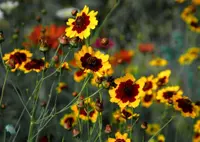
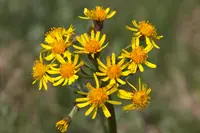
Tephroseris crispa is a perennial herb in the daisy family, valued mainly as a wildflower and for naturalistic plantings. It typically forms loose clumps with soft, wavy or crisped leaves and bright yellow, daisy-like flower heads on upright stems.

This species is native to cool, moist habitats in northern and central Europe, often in mountain meadows and streamside areas. It prefers consistently moist, humus-rich soil and cooler summer conditions, which can make it more challenging in hot, dry climates.

Gardeners who want to care for Tephroseris crispa should focus on moisture retention, good drainage, and shelter from intense heat to keep the plant long-lived and healthy.

Main Plant Requirements

Care Difficulty

Moderate Care

Light Preference

Partial Shade

Water Requirements

Moderate Water

Temperature Preference

Cool Climate

Hardiness Zone

4–7

Soil Texture

Loamy, Silty, Organic-rich

Soil pH

Acidic (5.5–6.5), Slightly acidic (6.5–7.0)

Soil Drainage

Moist but well-drained

Fertilization

Minimal (feed rarely)

Get Personalized Care Plan

Scan your plant to receive care tips personalized for your specific plant

Available on iOS and Android

How to Care for the Tephroseris crispa

This mountain perennial prefers cool conditions with steady light rather than intense heat.

  • Provide 4–6 hours of sun daily in cool climates, ideally with morning sun and light afternoon shade to mimic open woodland or meadow conditions.
  • In warmer areas, give Tephroseris crispa bright partial shade, such as dappled light under high trees, to prevent leaf scorch and flower bleaching.
  • Watch leaf color and habit: pale, stretched growth indicates too little light, while crisped, brown edges suggest excessive direct midday or afternoon sun.

This species prefers evenly moist, cool soil that never stays waterlogged.

  • Water when the top 2–3 cm of soil feels slightly dry, aiming to keep the root zone consistently damp during active growth without standing water.
  • Use deep, infrequent watering rather than light splashes, and ensure well-drained, humus-rich soil so excess water can flow away from the crown and roots.
  • Reduce watering in late fall and winter dormancy, watching for yellowing, limp foliage from overwatering and drooping, dry leaves as a sign of underwatering.

This plant is adapted to cool, temperate climates and does not enjoy prolonged heat.

  • Aim for active growth in 50–68°F (10–20°C), which suits its mountain origin, with cooler nights improving vigor and flowering.
  • Plants tolerate brief drops to about 23°F (-5°C), but repeated hard frosts can damage new shoots, so mulch crowns lightly in colder regions.
  • Heat above 77–82°F (25–28°C) can stress plants; provide extra shade and soil moisture during hot spells and avoid planting in heat-reflective spots.

This temperate species tolerates a wide humidity range and rarely needs special humidity management.

  • Target 40–60% humidity, similar to typical outdoor and indoor conditions in many homes.
  • Dry air is usually tolerated, but prolonged very low humidity can cause browning leaf edges and slower growth.
  • If air is extremely dry, group pots together or place them near an open tray of water and stones to slightly raise humidity without wetting foliage.

Tephroseris crispa prefers moist, well-drained, humus-rich soil that does not stay waterlogged.

  • Use a loose loam-based mix with 40% garden loam, 40% mature compost, and 20% coarse sand or fine grit for drainage.
  • Aim for slightly acidic to neutral pH around 6.0–7.0 to support nutrient availability and root function.
  • In heavy or compacted soil, incorporate coarse sand or grit through the top 15–20 cm to improve aeration and reduce standing water.
  • Avoid dense clay, peat-only mixes, or sites where puddles remain after rain, as roots are sensitive to prolonged saturation.

This species can be grown in containers if moisture and drainage are balanced carefully.

  • Choose a pot at least 25–30 cm deep so the taproot and fibrous roots can develop without curling tightly.
  • Select a heavier material such as ceramic or clay to keep the container stable against wind and the plant’s leafy top growth.
  • Raise the pot slightly on feet or bricks so drainage holes clear quickly after watering and excess water cannot pool under the base.

This species is typically adapted to low-nutrient soils, so fertilizing Tephroseris crispa should stay light and infrequent.

  • Use a balanced, low-strength liquid fertilizer (for example 10-10-10) at 1/4–1/2 label strength during active growth in spring–early summer.
  • Apply no more than every 4–6 weeks, only when plants show active, healthy leaf and stem growth.
  • Avoid feeding during late fall and winter dormancy to prevent weak, elongated growth.
  • If soil is poor, incorporate a small amount of well-rotted compost around, not on, the crowns once per year.

Pruning Tephroseris crispa is simple and mainly focuses on cleaning up spent growth to support flowering and plant health.

  • In late winter or very early spring, remove dead, damaged, or diseased stems with clean, sharp scissors or hand pruners.
  • Deadhead spent flower stalks during the blooming season to encourage a tidier appearance and potentially more blooms.
  • Thin out crowded stems lightly to improve air circulation and reduce fungal issues, keeping the plant’s natural form.
  • Always cut just above a healthy leaf node or basal rosette to avoid leaving long, empty stubs.

This plant is usually grown in the ground, so focus on careful transplanting rather than frequent repotting.

  • Transplant in early spring or early fall when temperatures are mild and soil is workable.
  • Move plants only when growth slows, flowering declines, or clumps become congested, usually every 3–5 years.
  • Lift the clump with a spade, keeping as much root ball and surrounding soil intact as possible to minimize stress.
  • Replant at the same depth in well-drained soil, water thoroughly, then keep evenly moist until new growth is established.

Tephroseris crispa is most often propagated by seed and by careful division of mature clumps.

  • Sow fresh seeds in late summer or early fall on the surface of a well-drained seed mix and keep lightly moist.
  • Provide cool conditions and natural light; some seeds benefit from a winter chilling period known as cold stratification.
  • Divide established clumps in early spring, lifting plants with a spade and gently separating sections with roots and shoots.
  • Replant divisions promptly at original depth, water well, and maintain moderate moisture until new growth is stable.

This species is generally cold hardy in temperate climates and needs only modest winter care in the ground.

  • In regions with harsh winters, apply a 5–8 cm layer of loose mulch around, but not over, the crowns after soil cools.
  • Leave dead stems in place in very cold areas to provide additional insulation, then cut back in late winter.
  • For container-grown plants in colder zones, move pots to a sheltered, unheated but frost-free spot and water sparingly.

Care Tips

Cool-site placement

Choose a slightly cooler microclimate on your site, such as a north- or east-facing bed away from reflective walls, to extend the flowering period and reduce heat stress in this alpine species.

Gentle crown mulching

Apply a thin, airy mulch layer (such as fine bark or leaf mold) around but not directly on the crown to keep roots cool, suppress weeds, and maintain even moisture without risking rot.

Late-winter clean-up

In late winter or very early spring, remove old, collapsed foliage and flower stems at the base to reduce overwintering fungal spores and allow new growth to emerge cleanly.

Targeted slug control

Use physical barriers such as copper tape or rough grit and place iron phosphate pellets sparingly around young rosettes in early spring, when tender leaves are most vulnerable to slug damage.

Alpine-plant companions

Group it with other moisture-tolerant alpine or subalpine perennials that prefer cool roots and free-draining soil to create a stable microclimate and simplify caring for Tephroseris crispa in one managed bed.

Common Pests and Diseases

Powdery mildew

This disease causes a white, floury coating on leaves and stems, often during warm days and cool, humid nights. Symptoms include reduced vigor and premature leaf yellowing or distortion.

Solution

Remove and destroy the most affected leaves to reduce spore load, avoid overhead watering, and space plants to improve airflow. In persistent cases, apply a sulfur or potassium bicarbonate fungicide labeled for ornamentals, starting early in the outbreak and repeating as directed.

Leaf spot

This disease produces small brown to dark-purple spots on leaves that may merge into larger blotches, leading to premature defoliation in wet seasons. Symptoms include more severe damage on older, lower foliage where moisture lingers longer.

Solution

Remove and dispose of spotted leaves on and around the plant, and water at soil level to keep foliage dry. In sites with recurring problems, improve drainage and air movement and use a copper- or chlorothalonil-based fungicide preventively during prolonged wet weather as part of broader Tephroseris crispa care instructions.

Aphids

These insects cluster on young stems and leaf undersides, sucking sap and causing curling or distortion of new growth. This pest also excretes sticky honeydew that can attract sooty mold on nearby surfaces.

Solution

Rinse colonies off with a strong but controlled stream of water, focusing on shoot tips and the undersides of leaves. For heavier infestations, apply insecticidal soap or a light horticultural oil, repeating every 5–7 days until populations drop, while encouraging natural predators such as lady beetles where present.

Leaf-mining larvae

These insects create pale, winding tunnels inside leaves, which can reduce photosynthesis and make the foliage appear blotchy or serpentine. Symptoms include narrow white or translucent trails that follow the path of the feeding larva between leaf surfaces.

Solution

Remove and discard leaves showing fresh mines to physically remove larvae before they pupate. In gardens with repeated damage, use floating row covers early in the season to prevent egg-laying and consider a targeted application of a systemic insecticide labeled for leaf miners, following label directions carefully.

Slugs and snails

These pests feed on tender foliage and flower stalks, leaving irregular holes and shredded edges, especially in cool, damp conditions. Symptoms include slime trails on soil and lower leaves near feeding damage.

Solution

Hand-pick slugs and snails in the evening or early morning and reduce hiding spots such as dense mulch directly against crowns. Use iron phosphate bait around plantings and keep the soil surface slightly drier by watering in the morning rather than at night to make the habitat less favorable.

Interesting Facts

Arctic–alpine specialist

This species has a marked Arctic–alpine distribution and naturally occurs in cold, high-latitude and high-altitude regions, including parts of northern Europe and Russia, where it is adapted to short growing seasons.

Distinctive crisped leaves

The plant is named for its characteristically crisped or wavy leaf margins, which give the foliage a ruffled appearance and help distinguish it from closely related yellow-flowered members of the Asteraceae family.

Moist ground preference

In the wild it often grows in moist or periodically wet habitats such as stream banks, wet meadows, and snowbed margins, where meltwater or seepage keeps the soil cool and damp through much of the growing season.

FAQs about Tephroseris crispa

This species is a short-lived perennial. Individual rosettes usually persist a few years, often flowering once or twice before declining, but plants can maintain a presence in the garden by self-seeding under suitable conditions.

Grow Healthy Plants with Botan Care

Keep your plants happy and healthy with plant identification, disease detection, and easy care guidance.

Botan plant care app — identify plants on mobile

Explore More Plants