Erysimum linifolium Care

Erysimum linifolium

About Erysimum linifolium

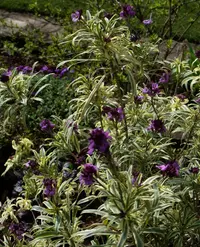
Erysimum linifolium is a compact, short-lived perennial in the cabbage family, valued mainly for its long-lasting, scented flowers. It typically forms low, bushy mounds with narrow, linear leaves and upright flowering stems.

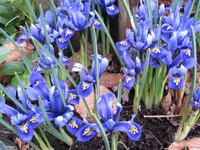
The plant produces dense clusters of small, four-petaled blooms in soft purple to lilac tones, often attracting bees and butterflies. It is native to parts of southwestern Europe, where it grows in dry, rocky or well-drained habitats.

Gardeners find it relatively easy to grow in sunny, open sites with moderately fertile, free-draining soil. Understanding how to care for Erysimum linifolium mainly involves providing enough light, avoiding heavy, waterlogged soil, and renewing plants every few years as they age.

Main Plant Requirements

Care Difficulty

Easy Care

Light Preference

Full Sun

Water Requirements

Low Water

Temperature Preference

Warm Climate

Hardiness Zone

7–9

Soil Texture

Sandy, Loamy, Rocky

Soil pH

Slightly acidic (6.5–7.0), Slightly alkaline (7.0–7.5)

Soil Drainage

Well-drained

Fertilization

Minimal (feed rarely)

Get Personalized Care Plan

Scan your plant to receive care tips personalized for your specific plant

Available on iOS and Android

How to Care for the Erysimum linifolium

This perennial wallflower thrives in bright, open positions with several hours of direct sun each day.

  • Provide 6–8 hours of direct sun, ideally with strong morning sun and lighter afternoon exposure to support compact growth and abundant flowering.
  • Plant Erysimum linifolium in a site that receives at least 4 hours of sun; in hotter regions, light afternoon shade reduces stress and leaf scorch risk.
  • Watch for weak, stretched stems and sparse blooms as signs of insufficient light, and for crisped leaf edges or bleached color as signs of excessive sun.

This plant prefers slightly dry conditions and is vulnerable to prolonged wet soil.

  • Allow the top 3–5 cm of soil to dry before watering, then water deeply so moisture reaches the root zone while avoiding puddling around the crown.
  • In spring and early summer, check soil every few days during warm spells; in cooler or rainy periods, rely on soil dryness rather than a fixed schedule.
  • Yellowing, soft foliage and a sour soil smell indicate overwatering, while limp, dull leaves and dry, shrinking soil suggest underwatering or poor root contact.

This wallflower favors mild, temperate conditions and tolerates some cold once established.

  • Optimal growth occurs around 55–70°F (13–21°C), with flowering strongest in cool, bright weather rather than intense summer heat.
  • Mature plants often survive brief dips to about 15–20°F (-9 to -6°C), but repeated hard freezes can damage stems and reduce long-term vigor.
  • In hot summers above 85°F (29°C), provide extra mulch and slight afternoon shade to limit heat stress, wilting, and shortened flowering.

This species prefers fairly dry air and does not need special humidity control in typical home or garden conditions.

  • Target 30–50% humidity; avoid persistently damp, enclosed spaces such as unventilated bathrooms or greenhouses.
  • Dry indoor air is usually tolerated, but prolonged hot, dry drafts can cause leaf edge browning and faster flower fade.
  • If air is extremely dry, modestly increase humidity by grouping plants nearby without misting flowers, which can encourage fungal spots.

Soil for this plant should be light, free-draining, and never stay wet for long.

  • Use a sandy or gritty loam with 30–50% sharp sand or fine gravel to keep the structure open and prevent waterlogging.
  • Aim for slightly alkaline to neutral pH, around 6.8–7.5, as very acidic substrates can reduce vigor and flowering.
  • For containers, mix roughly 2 parts peat-free compost, 1 part coarse sand, and 1 part grit or perlite for strong aeration.
  • Avoid heavy clay, compacted ground, or mixes rich in un-decomposed manure, which trap moisture and increase root rot risk.

This species is suitable for container growing, especially in sunny patios or balconies.

  • Choose a wider, heavier pot to support the woody, bushy top-growth and reduce tipping in strong winds.
  • Select a mineral-based mix in terracotta pots to help excess moisture evaporate quickly after rain or watering.
  • Raise the container on pot feet so drainage holes remain clear and runoff can escape instead of pooling under the base.

This sun-loving perennial benefits from light, controlled feeding rather than rich soil or heavy fertilization.

  • Apply a balanced, slow-release fertilizer (around 10-10-10) at half strength once in early spring as new growth appears.
  • In lean garden soils, top-dress with a thin layer of compost in spring instead of repeated granular feedings.
  • Avoid feeding during the hottest midsummer period and reduce or stop fertilizer completely in fall and winter.
  • Use well-drained soil and do not combine strong liquid feeds with slow-release products to prevent soft, weak growth.

Thoughtful pruning keeps Erysimum linifolium compact, flowering well, and less prone to splitting.

  • In late spring or just after the main flowering flush, lightly shear back spent flower stems by about one-third.
  • Remove dead, diseased, or frost-damaged stems at the base whenever noticed, using clean, sharp hand pruners.
  • Thin out a few older, woody shoots yearly to encourage fresh basal growth and maintain a rounded shape.
  • Avoid cutting back into bare, leafless wood, as regrowth from very old stems can be weak or patchy.

This species is more often grown in borders, so transplanting and site choice matter more than frequent repotting.

  • Transplant in early spring or early fall so roots can establish in mild conditions before heat or hard frost.
  • Move container plants only when roots circle the pot, drainage slows, or growth declines despite correct care.
  • Shift up just 1 pot size, using a sharply drained mix with added grit to limit waterlogging and root rot risk.
  • Water thoroughly after transplanting, then keep soil lightly moist, shading for a few days to reduce transplant shock.

Gardeners commonly renew Erysimum linifolium from cuttings, since older plants can become woody and short-lived.

  • Take 5–8 cm non-flowering softwood or semi-ripe cuttings in late spring to late summer.
  • Remove lower leaves, dip the base in rooting hormone if available, and insert into a free-draining, low-peat medium.
  • Provide bright, indirect light, high humidity, and gentle bottom warmth (around 65–70°F) for reliable rooting.
  • Seeds are possible but may not come true to type; sow in spring with only a light cover of mix.

Mature plants are fairly cold hardy but benefit from simple measures in regions with wet, freezing winters.

  • Tolerates light frosts, but prolonged freeze-thaw cycles in saturated soil can damage roots and crowns.
  • Apply a 3–5 cm mulch of gravel or coarse bark around the base to improve drainage and insulate the root zone.
  • In very cold or exposed sites, grow in containers and overwinter in a bright, frost-free porch or unheated greenhouse.

Care Tips

Staggered Renewal

Every 2–3 years, replace the oldest, most woody plants with fresh nursery stock or cuttings to keep the display dense, floriferous, and less prone to sudden dieback.

Cutting Strategy

Take non-flowering tip cuttings in late summer from healthy, semi-ripe shoots, root them in a very free-draining mix, and overwinter them as backups in case mature clumps fail after heavy flowering.

Slope And Edge Planting

Position plants on a slight slope, raised bed edge, or rockery lip so excess water can drain quickly away from the crown, which helps prevent root and crown rot in wet winters.

Salt And Wind Tolerance

Use this plant in exposed or coastal beds as a front-of-border buffer, since it tolerates wind and some salt spray better than many perennials and can help protect less hardy companions.

Targeted Pest Monitoring

Inspect new growth regularly for aphids and caterpillars from early spring, and treat only localized infestations promptly with a directed spray of insecticidal soap or by hand removal to keep caring for Erysimum linifolium low-intervention and effective.

Common Pests and Diseases

Cabbage aphids

This pest often clusters on young shoots and flower stems, sucking sap and causing yellowing, curling, and sticky honeydew on Erysimum linifolium. Symptoms include distorted growth and a decline in flowering.

Solution

Remove heavily infested shoot tips and buds, then hose the plant with a strong jet of water to dislodge colonies. For ongoing control, use repeated applications of insecticidal soap or a fatty acid–based spray, and encourage natural predators such as ladybirds by avoiding broad-spectrum insecticides.

Clubroot

This disease affects the roots, causing swollen, distorted root systems and leading to stunted, wilting growth, especially in warm, wet soils. Symptoms include yellowing foliage, poor vigor, and plants that collapse in hot weather despite seemingly adequate water.

Solution

Remove and destroy affected plants, including as much root material as possible, and avoid planting any brassicas in that soil area for several years. Improve drainage, raise beds if possible, and maintain a more neutral soil by liming acidic ground before replanting with non-brassica species in the affected zone.

Downy mildew

This disease can develop in cool, humid conditions, leading to pale yellow patches on upper leaf surfaces and greyish, downy growth on the undersides. Symptoms include premature leaf drop and a general decline in plant appearance.

Solution

Improve air circulation around plants by spacing properly and removing crowded stems, and avoid overhead watering late in the day. Remove and dispose of affected leaves, and if needed, apply a fungicide labeled for downy mildew on ornamental brassicas, rotating products to reduce resistance risk.

Powdery mildew

This disease appears as white, powdery patches on leaves and stems, often during warm days and cool nights. Symptoms include dull, distorted foliage and reduced flowering over time.

Solution

Increase airflow by thinning surrounding vegetation and avoid drought stress by watering at soil level in the morning. Remove heavily affected leaves and consider using a sulfur-based or potassium bicarbonate fungicide labeled for ornamentals if the problem recurs frequently.

Cabbage white caterpillars

These insects are the larvae of white butterflies that lay eggs on the leaves, leading to holes, shredded foliage, and green droppings on and around the plant. Symptoms include rapid defoliation, especially on young plants and compact cultivars used in borders or containers when growing Erysimum linifolium.

Solution

Inspect plants regularly and hand-pick caterpillars and egg clusters from leaves, then dispose of them away from the garden. For preventive control, use fine mesh netting to exclude butterflies, and where necessary apply a biological control containing Bacillus thuringiensis (Bt) targeted to caterpillars, following label directions carefully.

Interesting Facts

Long-lasting flower display

This species is valued in mild climates for its ability to flower over an extended season, often from spring into summer, with individual plants producing successive flushes of mauve to purple blooms when deadheaded regularly.

Hybrid parent in ornamentals

Erysimum linifolium has been widely used in breeding to create popular perennial wallflower cultivars, contributing compact growth, narrow foliage, and long blooming performance to many modern garden selections.

Narrow, flax-like leaves

The species name linifolium refers to its foliage resembling that of flax, with slender, linear leaves that give the plant a fine-textured, almost shrubby appearance in mixed borders and rock gardens.

FAQs about Erysimum linifolium

This wallflower usually begins blooming in mid to late spring and can continue for many weeks, often into summer. In mild climates, with regular deadheading, flowering may extend intermittently into fall, giving a long decorative season.

Grow Healthy Plants with Botan Care

Keep your plants happy and healthy with plant identification, disease detection, and easy care guidance.

Botan plant care app — identify plants on mobile

Explore More Plants