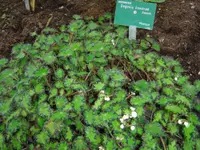
alpine plantan Care (Adenostyles alpina)

alpine plantan

About alpine plantan

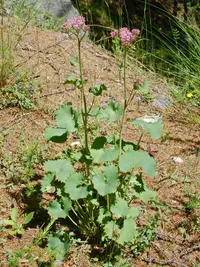
Alpine plantan, Adenostyles alpina, is a hardy perennial from mountain regions of central and southern Europe. It typically grows in moist meadows, forest clearings, and stream banks at higher elevations. The plant forms leafy clumps with tall, upright stems topped by clusters of soft pink to lilac flower heads that attract insects. Its bold, rounded leaves give it a strong foliage presence in cool, damp gardens. Alpine plantan prefers cool summers, consistent moisture, and humus-rich, well-drained soil, which can limit its success in hot or very dry climates. Understanding how to care for alpine plantan starts with providing conditions similar to its natural, shady mountain habitats.

Main Plant Requirements

Care Difficulty

Moderate Care

Light Preference

Partial Shade

Water Requirements

Keep Soil Moist

Temperature Preference

Cold Hardy

Hardiness Zone

3–7

Soil Texture

Loamy, Silty, Organic-rich

Soil pH

Acidic (5.5–6.5), Slightly acidic (6.5–7.0)

Soil Drainage

Moist but well-drained

Fertilization

Minimal (feed rarely)

Get Personalized Care Plan

Scan your plant to receive care tips personalized for your specific plant

Available on iOS and Android

How to Care for the alpine plantan

This mountain perennial prefers cool, bright conditions with protection from harsh midday sun.

  • Provide 3–5 hours of gentle morning sun with bright dappled or open shade in the afternoon, similar to a light woodland edge.
  • Tolerates full bright shade in hotter regions, but in cooler climates can handle light sun until late morning without leaf scorch.
  • Excessive direct sun causes leaf bleaching and scorch, while deep, continuous shade reduces flowering and leads to weak, elongated growth of alpine plantan.

This species favors consistently moist soil that never stays waterlogged.

  • Water when the top 2–3 cm of soil feels slightly dry, aiming for evenly damp conditions around the root zone during active growth.
  • Increase moisture in late spring and summer, using rich, humus-based soil with good drainage to prevent standing water around the crown.
  • Reduce watering in late fall as growth slows, watching for limp, dull leaves as a sign of underwatering and yellowing, mushy stems as overwatering.

This cool-climate perennial is adapted to mountain conditions with cold winters and mild summers.

  • Optimal growth occurs around 50–70°F (10–21°C), especially in spring and early summer when soil stays cool and evenly moist.
  • Dormant plants tolerate winter cold down to about 0°F (-18°C) in well-drained soil, especially with insulating snow cover or mulch.
  • Extended heat above 80°F (27°C) stresses the plant, so provide afternoon shade and extra soil moisture during hot spells to limit wilting and leaf scorch.

Humidity is rarely limiting for this cold, montane species if soil moisture is consistent.

  • Performs well in 40–70% humidity when planted outdoors in cool, moist conditions.
  • Tolerates relatively dry air if roots stay evenly moist and foliage is not exposed to hot, drying winds.
  • Humidity stress shows as limp, dull leaves and edge browning during warm, dry spells.
  • Increase local humidity by mulching heavily and positioning alpine plantan in sheltered, wind-protected spots.

This plant prefers deep, consistently moist, humus-rich soil that mimics cool mountain woodland conditions.

  • Use a loamy mix with 40–60% organic matter such as leaf mold, compost, or well-rotted bark to retain moisture.
  • Ensure drainage is moderate: soil should stay damp but not waterlogged, with excess water draining away within a few hours.
  • Aim for slightly acidic to neutral pH, roughly 5.5–7.0, which favors nutrient availability for Adenostyles alpina.
  • Improve aeration and structure by blending coarse sand or fine grit into heavy clay areas while keeping organic content high.

This species can be grown in containers short term if the pot is large, cool, and stays evenly moist.

  • Choose a tall, heavy container to keep the moisture-retentive mix cool and to prevent wind from toppling the leafy stems.
  • Use a deep pot to provide a thick, insulated soil layer that buffers roots from rapid drying and temperature swings.
  • Stand the container in partial shade against a north or east-facing wall to reduce heat buildup and slow evaporation.

Adenostyles alpina is adapted to nutrient-poor mountain soils, so it needs only light feeding in garden settings.

  • Use a balanced, slow-release fertilizer or a thin layer of compost in early spring as new growth starts.
  • Apply at low strength, around 1/2 label rate, to avoid lush, weak growth and maintain sturdy stems.
  • In average garden soil, one feeding per growing season is usually enough for healthy foliage.
  • Do not feed during winter dormancy; stop fertilizing by late summer to allow tissues to harden.

Adenostyles alpina needs minimal pruning, focused on keeping the clump clean and healthy rather than reshaping it.

  • Best timing is late winter to early spring, before strong new shoots emerge.
  • Remove dead, diseased, or damaged stems at the base using sharp, clean hand pruners.
  • After flowering, cut back spent flower stalks to tidy the plant and encourage dense foliage.
  • Avoid heavy cutting into healthy crowns, as this can weaken growth and reduce next year’s display.

This species is usually grown in the ground; focus on careful transplanting rather than frequent repotting.

  • Transplant in early spring or early fall, when temperatures are mild and soil moisture is steady.
  • Move clumps only when growth slows, the plant is overcrowded, or you must change its site.
  • Lift with a wide root ball, keep roots shaded and moist, and replant at the same soil depth.
  • Water thoroughly after planting and maintain even moisture for several weeks to limit root stress.

Adenostyles alpina is most practically increased by division, with seed used mainly by specialists or for naturalistic plantings.

  • Divide mature clumps in early spring or early fall, when soil is cool and moist.
  • Lift the plant and separate the crown into several pieces, each with healthy buds and roots.
  • Replant divisions immediately, water well, and keep soil evenly moist until re-established.
  • Sow fresh seed in fall outdoors or use cold stratification, as germination improves after chilling.

This cold-hardy alpine species generally needs little special winter care in temperate climates.

  • Plants tolerate typical frost and snow once established, especially in well-drained soil.
  • Apply a light mulch layer after the ground cools to stabilize soil temperature and protect roots.
  • In very exposed or low-snow areas, use leaf litter or straw to shield crowns from repeated freeze–thaw.
  • Container-grown alpine plantan should be moved to a sheltered, frost-free but cool spot for winter.

Care Tips

Mulch For Coolness

Apply a 5–7 cm layer of leaf mold or fine bark mulch around the clump each spring to keep roots cool and moist and to mimic the plant’s natural alpine forest floor conditions.

Sheltered Wind Protection

Install low windbreaks, such as a short slatted fence or dense low shrubs, on exposed sites to prevent tall flowering stems from snapping in strong winds.

Gentle Stem Staking

Use discreet, individual stakes and soft ties to support the tallest flowering stalks, placing supports early in the season so stems grow naturally around them without kinking.

Divide Aging Clumps

Every 4–6 years, lift and divide congested clumps in early spring or early fall, replanting vigorous outer sections to maintain flowering performance and plant vigor when growing alpine plantan in a garden setting.

Monitor For Snails

Check young shoots and lower leaves regularly in damp weather and hand-pick slugs and snails or use physical barriers, since tender foliage is particularly attractive to these pests.

Common Pests and Diseases

Powdery mildew

This disease appears as a white to gray powdery coating on leaves, especially in warm, dry conditions with poor air movement. Symptoms include distorted foliage and reduced vigor if infections persist.

Solution

Remove the most affected leaves to reduce spore load and avoid overhead watering so foliage dries quickly. Improve spacing and airflow around plants, and if needed apply a sulfur or potassium bicarbonate fungicide labeled for ornamental perennials according to label directions.

Leaf spot fungi

This disease causes irregular brown or purple spots on the broad leaves, sometimes with yellow halos and premature leaf drop in prolonged wet weather. Symptoms include a patchy appearance and reduced ornamental quality rather than plant death.

Solution

Prune and dispose of spotted leaves, especially at the end of the season, to limit overwintering spores. Water at soil level, improve drainage and airflow, and in severe, recurring cases use a copper-based or chlorothalonil fungicide during extended wet periods.

Aphids

These insects cluster on tender stems and leaf undersides, sucking sap and causing curling, distortion, and sticky honeydew deposits that may lead to sooty mold. This pest is often more noticeable on young shoots or in sheltered, nutrient-rich sites.

Solution

Dislodge colonies by spraying plants with a strong jet of water, then encourage or introduce natural predators such as lady beetles where possible. For persistent infestations, use insecticidal soap or a horticultural oil, making sure to cover the undersides of leaves and repeating as needed.

Slugs and snails

These pests feed on the large, soft leaves, leaving irregular holes and ragged edges, especially in shaded, moist sites typical for this species. Symptoms include shredded foliage and slime trails on or near the plant.

Solution

Hand-pick slugs and snails in the evening or early morning and reduce hiding places such as dense debris around the crown. Use iron phosphate bait around, not on, the plants and consider simple barriers like copper tape or rough mulch to limit feeding damage.

Downy mildew

This disease produces yellow to pale patches on the upper leaf surface with a grayish, downy growth beneath, favored by cool, humid, shaded conditions similar to the plant’s natural habitat. Symptoms include leaf blight and a general decline in vigor if not controlled.

Solution

Remove and destroy affected leaves promptly and avoid overhead watering to reduce leaf wetness duration. Improve airflow with careful thinning, and in severe or recurring cases apply a phosphonate or metalaxyl-M fungicide labeled for ornamental downy mildew, following label instructions closely.

Interesting Facts

High-altitude specialist

This species naturally occurs in subalpine and alpine zones of central and southern European mountains, often between about 1,200–2,500 m where summers are cool and soils stay moist from snowmelt.

Toxic leaf chemistry

Like many members of the Asteraceae family, it contains pyrrolizidine alkaloids in its tissues, compounds known to be toxic to mammals if ingested in quantity and therefore of concern for grazing livestock in its native range.

Moist scree preference

In the wild it commonly grows on moist scree slopes, avalanche tracks, and near meltwater channels, taking advantage of constantly renewed, nutrient-rich, stony substrates that many other broadleaf herbs cannot tolerate.

Botan icon

Did you know?

In several European mountain regions, dense stands of this plant help visually trace former avalanche paths and snowbed lines, so botanists sometimes use its presence as an indicator of past snow dynamics and disturbance patterns in the landscape.

FAQs about alpine plantan

This species spreads steadily by rhizomes and self-seeding but is usually not aggressively invasive in cool climates. In rich, moist soil it can form dense clumps, so gardeners should allow space and remove unwanted seedlings if necessary.

Grow Healthy Plants with Botan Care

Keep your plants happy and healthy with plant identification, disease detection, and easy care guidance.

Botan plant care app — identify plants on mobile

Explore More Plants