Parrot's Beak Care (Lotus berthelotii)

Parrot's Beak

About Parrot's Beak

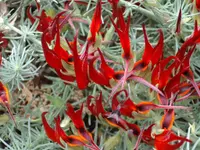
Parrot's beak (Lotus berthelotii) is a trailing, tender perennial often grown as an annual in cooler climates. It is commonly used in hanging baskets, window boxes, and containers. Slender, silver-gray needle-like leaves form soft, cascading mats that highlight its curved, bright orange to red flowers, which resemble a parrot’s beak. In its native Canary Islands, it grows in rocky, coastal areas with mild temperatures and good air movement. This species prefers strong light, sharply drained soil, and careful watering, so consistent success requires some attention. Gardeners who learn how to care for Parrot's Beak usually find it rewarding but not completely carefree.

Main Plant Requirements

Care Difficulty

Moderate Care

Light Preference

Full Sun

Water Requirements

Moderate Water

Temperature Preference

Tropical / Frost Sensitive

Hardiness Zone

10–11

Soil Texture

Sandy, Loamy

Soil pH

Acidic (5.5–6.5), Slightly acidic (6.5–7.0)

Soil Drainage

Well-drained

Fertilization

Light (every 4–6 weeks)

Get Personalized Care Plan

Scan your plant to receive care tips personalized for your specific plant

Available on iOS and Android

How to Care for the Parrot's Beak

Lotus berthelotii needs bright, direct sun to stay compact and flower well.

  • Provide 6–8 hours of full sun daily; morning and early afternoon sun are ideal, especially in spring and fall.
  • It tolerates light afternoon shade in hot summers; strong late-day sun in very hot regions can scorch foliage, causing silvered or brown tips.
  • In low light, Parrot's Beak becomes leggy and flowers poorly, so avoid deep shade and consider moving containers seasonally to follow the sun.

Lotus berthelotii prefers slightly dry, fast-draining conditions and is sensitive to excess moisture.

  • Water only when the top 3–5 cm of soil feel dry; in sandy or rocky soil this may mean less frequent watering than other ornamentals.
  • Use sharply drained soil and raised beds or slopes so water runs off quickly; soggy or compacted soil leads to root rot and yellowing, limp stems.
  • In cooler months reduce watering further, watching for shriveling, dull foliage as a sign of underwatering and blackened, mushy stems as overwatering damage.

This species prefers mild, frost-free conditions with good tolerance of dry heat once established.

  • Ideal growing temperatures are 60–75°F (16–24°C), which support steady foliage growth and flowering.
  • It is very frost-sensitive; damage can occur below 32°F (0°C), and prolonged exposure under 28°F (-2°C) usually kills the plant.
  • In hot summers up to about 90°F (32°C), it tolerates heat if soil drains very well and the roots are not waterlogged; slight afternoon shade can reduce stress.

This species prefers dry-like air and usually does not need increased humidity indoors.

  • Aim for 30–50% relative humidity, similar to typical heated or air-conditioned rooms.
  • Parrot's Beak tolerates drier air well, but prolonged very damp air can encourage stem rot and mildew.
  • Watch for limp, blackening stems in persistently humid, stagnant spaces and improve air movement or relocate to a drier spot.

Lotus berthelotii needs very free-draining, lean soil to prevent root and stem rot.

  • Use a sandy, gritty mix such as 50–60% cactus potting mix blended with coarse sand or fine gravel for structure.
  • Ensure rapid drainage; water should exit the pot within seconds, leaving soil barely moist rather than wet.
  • Keep pH slightly acidic to neutral, roughly 6.0–7.0, avoiding strongly acidic or alkaline mixes that can limit nutrient availability.
  • Avoid dense, peat-heavy or clay-based soils; lighten any standard mix with extra perlite and sand to improve aeration and prevent compaction.

This fine-textured, trailing species is well suited to container and hanging basket culture.

  • Choose a wide, shallow container so the fibrous roots can spread while stems can cascade over the rim without crowding.
  • Prefer rigid plastic or glazed ceramic pots in windy spots to add weight and reduce tipping of long, trailing growth.
  • Make sure drainage holes are large and unobstructed so brief, heavy waterings do not leave water pooling around the roots.

This plant has modest nutrient needs, but light feeding supports dense, silvery foliage and good flowering in Parrot's Beak.

  • Use a balanced liquid fertilizer (around 10-10-10 or 15-15-15) diluted to 1/4–1/2 strength for container plants.
  • Feed every 4–6 weeks during active growth in spring and summer, after watering the soil first.
  • Skip or greatly reduce feeding in fall and winter, especially in low light or cool conditions.
  • Compost or a slow-release fertilizer can be mixed lightly into potting soil at the start of the growing season.

Pruning keeps Lotus berthelotii compact, encourages fresh growth, and maintains a tidy, cascading habit.

  • Best time is late winter to early spring before strong new growth, with light tidying through summer.
  • Remove dead, damaged, or leggy stems back to healthy tissue using clean, sharp scissors or hand pruners.
  • Tip back overly long shoots by 2–5 cm to thicken the plant and enhance its trailing shape.
  • After main flowering, lightly shear spent stems to encourage new side shoots and potential rebloom.

This trailing plant prefers slightly snug containers and needs repotting or transplanting only when root-bound or declining.

  • Check for roots circling the pot, emerging from drainage holes, or reduced vigor as signs it needs more space.
  • Plan repotting or transplanting in early spring, just before strong growth, typically every 2–3 years for container plants.
  • Use a shallow, wide container with very free-draining mix, handling the brittle roots gently to limit disturbance.
  • Loosen circling roots lightly, water well after planting, then keep in bright, indirect light for 3–7 days to reduce stress.

New Lotus berthelotii plants are most reliably produced from softwood or semi-ripe stem cuttings.

  • Take 7–10 cm non-flowering tip cuttings in late spring to mid-summer from healthy, pest-free shoots.
  • Strip lower leaves, dip the cut end in rooting hormone if available, and insert into a very free-draining mix.
  • Maintain bright, indirect light, 65–75°F temperatures, and high but not dripping humidity for rooting.
  • Seed can be used but often germinates unevenly; provide warmth, light, and sharply drained substrate for best results.

Lotus berthelotii is frost-sensitive and needs thoughtful winter care in most temperate climates.

  • In regions below about 30°F, grow in containers so plants can be moved indoors or to a cool, bright shelter.
  • Keep indoor temperatures cool but above 40–45°F, with as much light as possible and slightly drier soil.
  • Outdoors in mild climates, apply a light, dry mulch around the root zone, keeping stems and crown uncovered.
  • Remove any frost-damaged stems in late winter once the risk of hard freeze has passed.

Care Tips

Encourage Trailing Form

Position young plants at the container edge and gently drape new shoots downward early in the season to promote an even, cascading habit instead of a tangled mound.

Use Light-Colored Pots

Choose light-colored or insulated containers for outdoor displays so the root zone stays cooler and dryer, which reduces stress during hot, sunny periods.

Seasonal Cutback Strategy

After the main flowering flush, lightly shear back the outer 2–4 in of growth to stimulate fresh, dense foliage and a neater shape without exhausting the plant.

Targeted Pest Monitoring

Inspect the fine foliage and stem joints weekly for aphids or spider mites, especially in dry, windy sites, and treat early with a directed spray of water or a labeled insecticidal soap before populations build.

Optimize Basket Drainage

When using hanging baskets, line only the sides with coir or moss and keep the base free, then add a shallow layer of coarse grit or perlite at the bottom to improve outflow and prevent water from pooling under the root ball when caring for Parrot's Beak.

Common Pests and Diseases

Aphids

This pest often colonizes the soft new growth and flower stems, sucking sap and causing distortion, sticky honeydew, and sooty mold on this fine-foliaged plant.

Solution

Rinse shoots thoroughly with a strong, targeted stream of water, then spot-treat remaining clusters with insecticidal soap or a ready-to-use neem oil spray, repeating weekly until populations decline; encourage natural predators outdoors by avoiding broad-spectrum insecticides.

Spider mites

These insects favor the fine, needle-like foliage, especially in hot, dry conditions, leading to pale, speckled leaves, webbing, and gradual thinning of the plant.

Solution

Increase humidity around the plant, shower foliage with lukewarm water to remove mites and webbing, then apply insecticidal soap or horticultural oil to all leaf surfaces, repeating every 5–7 days for several cycles to break their life cycle.

Botrytis blight

This disease causes soft brown lesions on stems and leaves, often covered with gray fuzzy mold on dense, poorly ventilated foliage, especially in cool, damp weather.

Solution

Remove and discard all affected stems and foliage, improve air circulation by thinning crowded growth and spacing plants, and avoid overhead watering; in persistent cases, use a fungicide labeled for ornamental gray mold and apply according to Parrot's Beak care instructions on the product label.

Powdery mildew

This disease appears as a white, powdery coating on leaves and stems, which can cause yellowing, leaf distortion, and premature leaf drop on stressed plants.

Solution

Prune out heavily affected shoots, ensure good air movement around the plant, avoid wetting foliage late in the day, and apply a sulfur or potassium bicarbonate fungicide labeled for ornamental powdery mildew if the infection continues to spread.

Leaf spot

Symptoms include small brown to dark purple spots on leaves that may enlarge, coalesce, and cause premature leaf drop, particularly in prolonged wet or overhead-watered conditions.

Solution

Remove and discard affected leaves, water at the base in the morning so foliage dries quickly, and improve airflow; if spotting continues, use a copper-based or chlorothalonil fungicide labeled for ornamental leaf spots, following label directions carefully.

Interesting Facts

Canary Islands endemic

This trailing legume is naturally restricted to the western Canary Islands, where it grows on sunny, rocky slopes and coastal cliffs in a mild, oceanic climate.

Beak-shaped flowers

Its curved, bright orange to red flowers closely resemble a parrot’s beak, a specialized form that helps guide visiting pollinators toward the nectar and pollen.

Silvery, needle-like foliage

The fine, silvery leaves are covered with tiny hairs that reduce water loss and reflect strong sunlight, an adaptation to its dry, exposed native habitats.

Botan icon

Did you know?

Lotus berthelotii is considered extinct or nearly extinct in the wild, so most plants seen in gardens and containers today come from long-maintained cultivated stock rather than from natural populations.

FAQs about Parrot's Beak

Lack of flowers usually comes from insufficient light, too much nitrogen fertilizer, or warmth without a cool rest period. Ensure strong light, use a balanced or low‑nitrogen feed, and avoid winter temperatures that are consistently very warm.

Grow Healthy Plants with Botan Care

Keep your plants happy and healthy with plant identification, disease detection, and easy care guidance.

Botan plant care app — identify plants on mobile

Explore More Plants