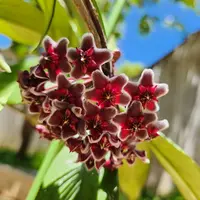
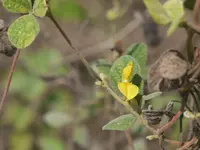
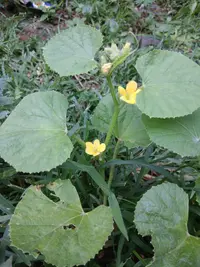
black oil plant Care (Celastrus paniculatus)

Also known as: climbing staff tree, intellect tree
black oil plant

About black oil plant

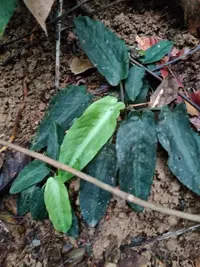
Black oil plant, Celastrus paniculatus, is a woody climbing vine known for its twining stems, small glossy leaves, and decorative capsules that split to reveal dark seeds. In natural conditions it occurs in parts of South and Southeast Asia, often scrambling over shrubs and trees in warm, seasonal climates.

It tends to grow vigorously when given support, so it can become quite large and needs space and control. The species prefers bright light, well-drained soil, and moderate moisture, which influences how to care for black oil plant in gardens or controlled plantings.

Main Plant Requirements

Care Difficulty

Moderate Care

Light Preference

Full Sun

Water Requirements

Moderate Water

Temperature Preference

Warm Climate

Hardiness Zone

10–12

Soil Texture

Sandy, Loamy, Organic-rich

Soil pH

Acidic (5.5–6.5), Slightly acidic (6.5–7.0)

Soil Drainage

Well-drained

Fertilization

Minimal (feed rarely)

Get Personalized Care Plan

Scan your plant to receive care tips personalized for your specific plant

Available on iOS and Android

How to Care for the black oil plant

Celastrus paniculatus thrives as a sun-loving climber that benefits from strong, consistent light outdoors.

  • Provide 6–8 hours of direct sun daily, with a preference for morning sun and some protection from harsh late-afternoon summer sun in very hot regions.
  • Tolerates light partial shade (about 3–4 hours of direct sun) but flowering and seed production of black oil plant decrease as shade increases.
  • In cooler seasons, allow as much direct sun as possible, while in heatwaves use nearby shrubs, trellises, or shade cloth to reduce leaf scorch.

This vine prefers steadily moist, well-drained soil, especially during active growth and fruiting.

  • Water when the top 3–5 cm of soil feels dry, giving a deep soak that moistens the root zone without leaving water standing on the surface.
  • In hot, dry weather, monitor more often for drooping leaves or dry, crumbly soil; reduce watering in cool or rainy periods to avoid root stress.
  • Signs of overwatering include yellowing leaves and soft stems, while crisp, browning leaf edges and very hard soil indicate underwatering; improve drainage if puddling occurs.

This species prefers warm, frost-free conditions but can handle moderate seasonal variation when established.

  • Optimal growth occurs around 70–86°F (21–30°C), with good vegetative growth and flowering in consistently warm climates.
  • Mature plants may tolerate brief drops near 40°F (4°C), but young growth is damaged by light frost; protect with mulch and windbreaks where late frosts occur.
  • In hot climates, it copes with peaks of 95–100°F (35–38°C) if soil moisture is stable; prolonged extreme heat with dry soil increases leaf scorch and stress.

This species tolerates a wide humidity range and usually does not need special air-moisture management.

  • Aim for 30–60% relative humidity; typical indoor or outdoor conditions in most homes and gardens are acceptable.
  • Black oil plant generally handles drier air, but prolonged hot, dry winds outdoors can cause leaf edge browning.
  • If leaves curl or tips dry during heat waves, group plants, use a nearby water tray, or provide light misting in the morning.

Celastrus paniculatus prefers loose, well-drained mineral soil with moderate organic content.

  • Use a loamy or sandy-loam soil that feels crumbly, allowing water to drain through in seconds rather than pooling on the surface.
  • In the ground, mix 20–30% compost into existing soil and add coarse sand if the site is heavy or slow-draining.
  • Aim for a slightly acidic to neutral pH around 6.0–7.5, avoiding strongly alkaline or saline soils that reduce nutrient uptake.
  • Avoid compacted clay, constantly wet spots, or thick peat-heavy mixes; improve aeration with coarse sand or fine bark chips where drainage is marginal.

This species can be grown in containers if the pot is deep, heavy, and managed for stable vine support.

  • Select a tall, heavy container that resists tipping when the vine climbs or when a trellis is attached.
  • Provide a sturdy in-pot support such as a central pole or trellis fixed firmly so wind movement does not rock the root ball.
  • Use a slightly gritty potting mix to balance moisture with quick drainage, preventing the container from becoming waterlogged after rain or irrigation.

Celastrus paniculatus benefits from modest feeding in containers or poor soils, while established in-ground plants often need little fertilizer.

  • Use a balanced liquid fertilizer at 1/2 strength or a mild slow-release product during active growth in spring–summer.
  • Feed potted black oil plant every 4–6 weeks; in-ground plants only if growth or leaf color is weak.
  • Supplement with a thin layer of compost over the root zone once per year to improve soil structure.
  • Reduce or stop feeding in fall–winter to match the plant’s semi-dormant phase and avoid soft, frost-sensitive growth.

Pruning Celastrus paniculatus helps control its vigorous climbing habit and maintain a healthy framework.

  • Carry out main pruning in late winter or very early spring before new growth starts.
  • Remove dead, damaged, or crossing stems first, then thin congested areas to improve light and air flow.
  • Shorten overly long shoots to keep vines within their support and encourage branching rather than excessive length.
  • Use sharp bypass pruners, making clean cuts just above a bud or side stem to reduce wound size and speed healing.

Celastrus paniculatus is usually grown outdoors and more often transplanted than long-term container grown.

  • Transplant young plants in early spring or early fall when temperatures are mild and soil is workable.
  • Look for roots circling the pot, water running straight through, or slowed growth as signs a container plant needs a larger pot.
  • Move up 1 pot size, gently loosening circling roots and setting the plant at the same soil level in fresh, well-drained mix.
  • Water thoroughly after transplanting, then keep soil evenly moist and shaded for 3–5 days to limit transplant shock.

New Celastrus paniculatus plants are most commonly raised from seed, with cuttings used less often.

  • Collect ripe seeds, clean them, and use either fall sowing outdoors or cold stratification at 35–40°F for 2–3 months before spring sowing.
  • Sow seeds in a free-draining mix, keep lightly moist, and provide bright, indirect light for even germination.
  • Take semi-hardwood cuttings in late spring–summer, 10–15 cm long, removing lower leaves and dipping bases in rooting hormone.
  • Place cuttings in a humid environment at 70–80°F with bottom heat if possible, using a sterile, well-aerated medium.

Celastrus paniculatus is moderately frost sensitive and benefits from basic winter protection in cooler climates.

  • In regions with frost, apply 5–8 cm of organic mulch around the root zone, keeping it slightly away from the stem.
  • In colder areas, train vines on sturdy supports and avoid heavy pruning late in the season, which can trigger tender growth.
  • Move container plants into a bright, cool, frost-free space, watering sparingly so the soil stays just slightly moist.

Care Tips

Early vine training

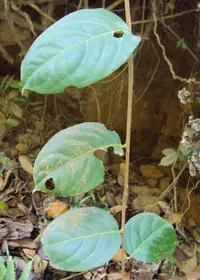
Install a strong trellis, wire, or fence while the plant is still young and loosely tie new shoots with soft ties every 20–30 cm to guide the vine and prevent tangled, wind-damaged growth later.

Shoot selection

Each spring, select 3–5 of the healthiest main stems to keep as permanent framework and remove weak, crossing, or overcrowded shoots so the plant puts energy into fewer, stronger fruiting branches.

Sex identification

During flowering, mark male and female plants with weatherproof tags so you can maintain the right ratio (usually 1 male to 4–6 females) and avoid accidentally removing essential pollinators during future pruning.

Targeted pollinator support

Plant small, nectar-rich flowers nearby and avoid insecticides during flowering to improve pollination and fruit set, which is especially important when growing black oil plant for seed production.

Root zone protection

Maintain a 5–8 cm organic mulch layer around, but not touching, the stem to keep the root zone cool, suppress weeds, and reduce mechanical damage from tools near the base of the vine.

Common Pests and Diseases

Leaf miners

This pest tunnels inside young leaves, creating pale, winding trails and causing distortion or early leaf drop on young vines and nursery plants.

Solution

Remove and destroy affected leaves at the first sign of trails, then encourage new growth with balanced watering and light. For heavier infestations, use a neem oil or spinosad spray targeting young larvae, applied to both sides of the leaves in the early morning or evening.

Scale insects

These insects attach tightly to stems and leaf petioles, appearing as small brown or gray bumps and causing yellowing, stunted growth, and sticky honeydew on nearby surfaces.

Solution

Gently scrape or wipe off visible scales with a cotton pad dipped in 70% isopropyl alcohol, then follow with 2–3 rounds of horticultural oil or neem oil at 7–10 day intervals to target remaining crawlers. Improve airflow around the plant and avoid excessive nitrogen fertilization, which can encourage soft, susceptible growth.

Leaf spot

This disease causes small water-soaked lesions on leaves that expand into brown or dark spots, sometimes with yellow halos and premature leaf drop in humid conditions.

Solution

Prune and discard heavily spotted leaves, avoid overhead watering, and space plants to increase airflow. In persistent cases, apply a copper-based or other labeled fungicide according to instructions, focusing on new foliage and repeating after rain or heavy irrigation as directed.

Powdery mildew

This disease appears as a white or gray powdery coating on leaves and young shoots, leading to curling, reduced vigor, and poor flowering if conditions stay warm and humid.

Solution

Improve light and airflow by thinning crowded stems and avoiding water on foliage late in the day. At first signs, treat with sulfur, potassium bicarbonate, or neem-based fungicide labeled for powdery mildew, repeating every 7–14 days while conditions favor infection.

Aphids

These insects cluster on tender shoot tips and flower buds, sucking sap and causing curling leaves, distorted new growth, and sticky honeydew that can attract sooty mold.

Solution

Dislodge colonies with a strong stream of water, then treat remaining insects with insecticidal soap or neem oil sprayed thoroughly on all soft tissues. Monitor new growth weekly during the active growing season and repeat treatments as needed to break the life cycle while maintaining overall Celastrus paniculatus care practices.

Interesting Facts

Oil-rich brain seeds

The seeds contain an unusually high proportion of fixed oil stored in the endosperm, which is why the plant is widely called black oil plant in English-language ethnobotanical literature.

Climbing woody liana

This species grows as a woody climber that twines around support plants, allowing it to reach forest canopies rather than investing energy in building a self-supporting trunk.

Distinctive three-valved capsules

Its small yellowish flowers develop into spherical capsular fruits that split into three valves when mature, exposing vividly colored seeds that are easily noticed by birds and collectors.

Botan icon

Did you know?

In traditional agroforestry systems in parts of South Asia, this species is often trained over existing trees or supports instead of being grown on its own, taking advantage of vertical space and integrating into multi-layered vegetation rather than forming separate plantations.

FAQs about black oil plant

Growth is moderate. Young vines usually extend 30–60 cm per year once established, sometimes more in warm climates. Reaching a substantial, harvestable size often takes 3–5 years, depending on soil quality and overall Celastrus paniculatus care.

Grow Healthy Plants with Botan Care

Keep your plants happy and healthy with plant identification, disease detection, and easy care guidance.

Botan plant care app — identify plants on mobile

Explore More Plants