Scindapsus treubii Care

Scindapsus treubii

About Scindapsus treubii

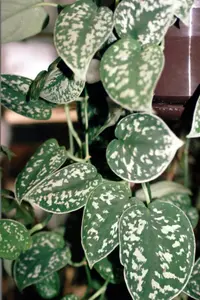
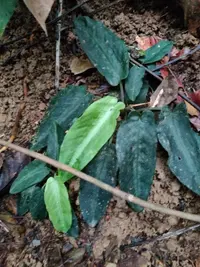
Scindapsus treubii is a tropical climbing aroid valued for its thick, elongated leaves and slow, compact growth. It is often grown as a trailing or climbing houseplant. In nature, it occurs in humid forests of Southeast Asia, where it grows as an epiphyte, attached to trees. The leaves are usually dark green, sometimes with subtle silver or bluish tones, giving the plant a refined, understated look. This species is considered moderately easy indoors, as it tolerates a range of light and recovers fairly well from minor neglect. It prefers bright, filtered light, evenly moist but not waterlogged soil, and stable indoor temperatures, which helps when learning how to care for Scindapsus treubii.

Main Plant Requirements

Care Difficulty

Easy Care

Light Preference

Bright Indirect Light

Water Requirements

Moderate Water

Temperature Preference

Tropical / Frost Sensitive

Hardiness Zone

11–12

Soil Texture

Loamy, Peaty, Organic-rich

Soil pH

Acidic (5.5–6.5), Slightly acidic (6.5–7.0)

Soil Drainage

Moist but well-drained

Fertilization

Light (every 4–6 weeks)

Get Personalized Care Plan

Scan your plant to receive care tips personalized for your specific plant

Available on iOS and Android

How to Care for the Scindapsus treubii

This species prefers bright, filtered conditions that mimic light under a forest canopy.

  • Provide 6–8 hours of bright, indirect light each day, such as near an east or north-facing window or under sheer curtains for diffused sun.
  • Tolerates partial shade, but in very low light new leaves may emerge smaller, growth slows, and Scindapsus treubii can lose its darker coloration.
  • Avoid harsh midday or strong afternoon sun, which can cause pale patches or crisped edges; shift slightly further from the window in summer when sun intensity increases.

Consistent but moderate moisture keeps this aroid’s roots healthy and active.

  • Water only when the top 2–5 cm of soil feels dry, using your finger to check rather than following a fixed schedule.
  • Use a freely draining mix and empty saucers after 10–15 minutes to reduce the risk of root rot, mushy stems, and yellowing lower leaves from chronic overwatering.
  • In brighter, warmer months expect to water more often; in cooler, darker seasons extend the drying period and watch for drooping or curling leaves as a sign the plant needs a thorough soak.

Stable, warm conditions support steady foliage growth and limit stress.

  • Aim for 65–80°F (18–27°C) for best growth, keeping day–night swings small to avoid leaf drop or slowed root activity.
  • Protect from cold; growth usually stalls below 60°F (16°C) and tissue damage can occur if exposed near 50°F (10°C), especially with drafts or sudden temperature drops.
  • The plant tolerates brief heat up to about 85–90°F (29–32°C) if humidity and airflow are good, but avoid placing it near heaters, cold windows, or air-conditioning vents in any season.

This species benefits from moderate to slightly elevated humidity for stable foliage health.

  • Aim for 50–60% humidity for steady growth and less leaf edge browning.
  • It tolerates typical indoor dry air but may show curled tips and crispy margins below 40%.
  • Increase humidity with a nearby humidifier or grouped plants; avoid misting that leaves foliage wet for long periods.

This plant prefers a loose, airy, organic mix that drains quickly but does not dry out instantly.

  • Use a mix of roughly 40% peat or coco coir, 30% perlite, and 30% fine orchid bark for structure and aeration.
  • Ensure fast drainage so water runs through in seconds, leaving the mix evenly moist but never waterlogged.
  • Keep soil slightly acidic to neutral, around pH 6.0–7.0, which supports balanced nutrient uptake.
  • Avoid heavy garden soil or dense potting mixes that compact, stay soggy, and reduce oxygen around the roots of Scindapsus treubii.

This species is well suited to container growing due to its manageable root system and vining habit.

  • Choose a pot only 2–4 cm wider than the root mass to prevent excess mix staying wet around inactive roots.
  • Select a stable, heavier container or add a support pole so the vine can climb without tipping the pot.
  • Use a pot material with moderate breathability, such as unglazed clay, to help excess moisture evaporate while still holding some moisture in the mix.

Moderate feeding supports steady, healthy growth for Scindapsus treubii in containers.

  • Use a balanced liquid fertilizer (around 10-10-10 or 20-20-20) diluted to 1/4–1/2 strength for indoor plants.
  • Feed every 4–6 weeks in spring and summer when growth is most active.
  • Pause or reduce feeding to 1 light application in late fall or winter if growth slows.
  • Organic options like dilute compost extract or slow-release pellets can be used sparingly at the start of the growing season.

Light pruning maintains size, shape, and foliage density for Scindapsus treubii.

  • Plan main pruning for late winter or early spring before vigorous new growth begins.
  • Remove dead, yellowing, or damaged leaves and stems back to a healthy node using clean, sharp scissors or pruners.
  • Shorten overly long, bare, or tangled vines to encourage branching and a fuller, bushier plant.
  • Take tip cuttings during shaping; these can double as propagation material if desired.

Container-grown plants benefit from occasional repotting to refresh soil and manage root growth.

  • Check for roots circling the pot, pushing through drainage holes, or water running straight through as signs to repot Scindapsus treubii.
  • Plan repotting every 2–3 years in spring, moving only 1 pot size up to avoid excess wet soil.
  • Water lightly the day before, gently loosen the rootball, and trim only rotten or severely circling roots.
  • Replant in fresh, chunky, well-draining mix and keep in bright, indirect light with slightly reduced watering for 1–2 weeks to limit stress.

Stem cuttings are the standard method for multiplying this vining aroid indoors.

  • Take 1–2 node cuttings from healthy, non-woody stems of Scindapsus treubii in spring or early summer.
  • Include at least 1 leaf and 1 visible node; remove lower leaves to keep nodes free for rooting.
  • Root cuttings in water or a moist, airy mix under bright, indirect light and 65–80°F temperatures.
  • Maintain high humidity (cover with a clear dome or bag) and keep the medium slightly moist until new roots and growth appear.

This tropical species is frost-sensitive and needs mild indoor conditions during winter in most climates.

  • Keep plants indoors above 60°F; brief exposure below 50°F can cause leaf damage or drop.
  • Position away from cold drafts, exterior doors, and uninsulated windows to avoid temperature swings.
  • Reduce watering so the top 3–4 cm of soil dry between waterings, preventing cold, soggy conditions.
  • Avoid fertilizing in mid-winter unless the plant is under strong light and actively growing.

Care Tips

Support for climbing

Provide a moss pole or textured plank and loosely tie new vines with soft ties, which encourages larger leaves and stronger growth than letting stems trail freely.

Timed vine rotation

Rotate the pot by 90° every 2–3 weeks so all vines receive similar light exposure, which helps keep internodes short and the plant full on all sides.

Targeted node propagation

When pruning long, bare vines, cut just below nodes with visible aerial roots and root these cuttings in water or moist substrate to create backup plants and thicken the mother plant.

Early pest scouting

Inspect the undersides of leaves and along midribs every 2–3 weeks, and at the first sign of scale or spider mites isolate the plant and treat with a horticultural soap spray rather than waiting for a heavy infestation.

Root-bound monitoring

Check drainage holes every few months for circling roots and, if present, slip the root ball out of the pot to assess crowding so you can repot before growth slows or leaves reduce in size when caring for Scindapsus treubii.

Common Pests and Diseases

Spider mites

This pest thrives on the thick, leathery leaves, causing pale stippling, dull patches, and fine webbing on Scindapsus treubii, especially in dry indoor air. Symptoms include slowed growth and leaves that lose their deep green or silver sheen.

Solution

Rinse foliage thoroughly under a gentle shower or sink sprayer, including leaf undersides, then repeat every few days for 1–2 weeks. Increase humidity, improve air circulation, and follow up with neem oil or insecticidal soap sprays on both leaf surfaces, keeping the plant out of direct sun until leaves are dry.

Mealybugs

These insects hide in leaf axils and along stems, forming white cottony clusters that feed on sap and excrete sticky honeydew. Symptoms include distorted new growth, yellowing leaves, and sometimes sooty mold on the sticky residue.

Solution

Remove visible clusters with a cotton swab dipped in 70% isopropyl alcohol, then wash the plant with lukewarm water and mild insecticidal soap. Inspect weekly and repeat spot treatments, isolating the plant from others until no new mealybugs appear for several weeks.

Scale insects

This pest appears as small, dome-shaped brown or tan bumps along stems and midribs, often blending into the dark vines of Scindapsus treubii. Symptoms include gradual leaf yellowing, sticky honeydew, and weakened, leggy growth.

Solution

Gently scrape or wipe off individual scales with a fingernail or soft cloth dipped in diluted alcohol, then apply an insecticidal soap or horticultural oil spray to stems and leaf undersides. Repeat every 7–10 days for several cycles and keep the plant slightly drier and well lit to support recovery.

Bacterial leaf spot

This disease causes water-soaked, translucent spots on leaves that may turn brown with yellow halos, often starting where water sits on the foliage. Symptoms include rapidly spreading lesions and premature leaf drop in warm, humid, low-airflow conditions.

Solution

Remove and discard affected leaves, then avoid wetting the foliage and improve air movement around the plant. Sterilize tools, keep leaves dry, and water at the soil level; in severe cases, discard heavily infected plants to protect nearby houseplants.

Fungal leaf spot

This disease produces small, round to irregular brown or black spots that may merge, especially on older leaves exposed to frequent misting or poor drying. Symptoms include cosmetic damage first, then progressive yellowing and drop of affected leaves if conditions stay humid and stagnant.

Solution

Prune and dispose of damaged leaves, then increase airflow and reduce overhead watering so leaves dry quickly. Allow the top layer of soil to dry between waterings and, if needed, apply a labeled indoor-safe fungicidal spray according to instructions as part of broader Scindapsus treubii care instructions.

Interesting Facts

Naturally shingling growth

In its native Southeast Asian forests, this species begins life as a small juvenile that creeps and clings flat against tree trunks, a growth pattern called shingling that helps it stay in the high-humidity boundary layer on bark.

Highly variable foliage

The species shows distinct forms, most notably the dark, nearly black-green type often sold as 'Dark Form' and the silvery patterned type sold as 'Moonlight', both derived from the same species but selected for different leaf coloration.

Thick, waxy leaves

Compared with many other aroids, this plant has unusually thick, leathery, wax-coated leaves that help reduce water loss and tolerate short dry spells in its canopy habitat.

FAQs about Scindapsus treubii

This species performs best indoors in stable, warm conditions with filtered light and shelter from wind and temperature swings. Outdoors, it only thrives in frost-free, humid, tropical or subtropical climates that closely match its natural forest habitat.

Grow Healthy Plants with Botan Care

Keep your plants happy and healthy with plant identification, disease detection, and easy care guidance.

Botan plant care app — identify plants on mobile

Explore More Plants