Optimized Mounting Choice
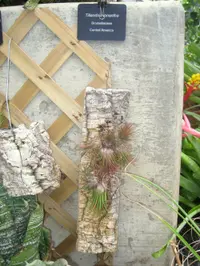
Choose open, non‑porous mounts such as cork bark, hardwood, or plastic-coated wire so the base dries quickly while still allowing you to remove the plant easily for soaking or outdoor light sessions.

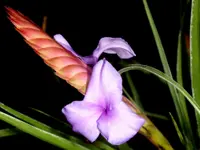
Tillandsia guatemalensis is an epiphytic air plant from Central America, where it typically grows on trees in warm, humid forests. It forms rosettes of narrow, arching leaves that can develop a soft, silvery coating and produce a colorful, elongated flower spike.
This species does not grow in soil and absorbs water and nutrients through its leaves. It usually prefers bright, filtered light and good air movement.
Because it is relatively tolerant of indoor conditions and does not need a pot or substrate, many growers find it straightforward to care for Tillandsia guatemalensis once basic needs are understood.

Care Difficulty
Moderate Care

Light Preference
Bright Indirect Light

Water Requirements
Low Water

Temperature Preference
Tropical / Frost Sensitive

Hardiness Zone
10–12

Soil Texture
Rocky, Sandy, Organic-rich

Soil pH
Acidic (5.5–6.5)

Soil Drainage
Well-drained

Fertilization
Light (every 4–6 weeks)
Scan your plant to receive care tips personalized for your specific plant
Available on iOS and Android
This species prefers bright, filtered light that mimics tree-canopy conditions in nature.
This air plant absorbs moisture mainly through leaf surfaces, so watering focuses on thorough wetting and good drying.
Stable, mild temperatures support steady growth and reduce stress for this species.
This air plant relies on moderate to high humidity to keep its leaf surfaces hydrated.
Tillandsia guatemalensis is epiphytic and should not be planted in conventional potting soil.
This species can be grown in containers as long as it stays unpotted and fully aerated.
This epiphytic species needs only light, occasional feeding to support healthy foliage and flowering.
Pruning needs are minimal and focus on hygiene and maintaining a neat rosette.
This air plant is usually mounted rather than potted, so transplanting focuses on remounting or adjusting its support.
Propagation is usually done by division of offsets (pups) rather than by seed, which is slower and less predictable.
This species is sensitive to freezing and needs protection in regions with cold winters.

Plant Health Check
Not sure what's wrong with your plant? Check your plant's health inside the app.
This species is native to mid- to high-elevation cloud forests of Guatemala and nearby regions, where it grows as an epiphyte on trees in cool, humid, but very airy conditions.
Mature plants often develop subtle purple spotting or banding on their leaves when exposed to bright light, a pigment response associated with anthocyanins that helps protect the leaf tissue from intense sun.
It produces a relatively tall, often branched inflorescence with bright red bracts and violet tubular flowers, a color combination that attracts hummingbirds as primary pollinators in its native range.

In its native habitats, this species typically anchors itself on rough-barked trees such as oaks and pines, using only specialized root-like holdfasts for attachment while obtaining water and nutrients through its leaf surfaces, which allows it to thrive high in the canopy without drawing resources from the host tree.
Lack of blooming usually comes from insufficient light, low humidity, or irregular watering. Poor air movement and inadequate fertilization also reduce flowering. Once a rosette blooms, it will not flower again but produces pups that will.
Keep your plants happy and healthy with plant identification, disease detection, and easy care guidance.