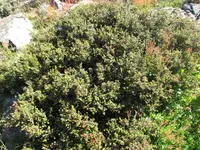
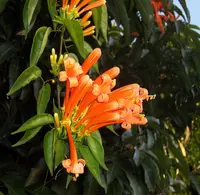
giant milkweed Care (Calotropis gigantea)

Also known as: crown flower, Crown Milkweed
giant milkweed

About giant milkweed

Giant milkweed, Calotropis gigantea, is a drought-tolerant evergreen shrub or small tree known for its thick gray-green leaves and clusters of star-shaped, waxy flowers. It can reach a substantial size and often forms a bold, sculptural presence in warm, frost-free landscapes.

This species is native to South and Southeast Asia and is adapted to hot, dry, and coastal conditions. It prefers full sun, well-drained soil, and low to moderate moisture.

The plant is relatively easy to grow in suitable climates due to its toughness and tolerance of poor soils, heat, and wind. Understanding how to care for giant milkweed mainly involves protecting it from prolonged cold and excessive soil moisture.

Main Plant Requirements

Care Difficulty

Easy Care

Light Preference

Full Sun

Water Requirements

Low Water

Temperature Preference

Tropical / Frost Sensitive

Hardiness Zone

10–11

Soil Texture

Sandy, Loamy, Rocky

Soil pH

Neutral (7.0), Slightly alkaline (7.0–7.5)

Soil Drainage

Well-drained

Fertilization

Minimal (feed rarely)

Get Personalized Care Plan

Scan your plant to receive care tips personalized for your specific plant

Available on iOS and Android

How to Care for the giant milkweed

This sun-loving shrub thrives in hot, bright locations with minimal shade.

  • Provide 6–8 hours of direct sun daily; full sun all day promotes compact growth and abundant flowering.
  • Tolerates light afternoon shade in very hot climates, but too much shade causes tall, weak stems and fewer blooms on giant milkweed.
  • In cooler seasons or coastal areas, prioritize open, unshaded exposure; in intense summer sun, sandy, well-drained soil helps prevent leaf scorch.

This drought-tolerant species prefers infrequent, deep watering and very free-draining soil.

  • Outdoors in the ground, allow the top 5–8 cm of soil to dry completely before watering again; in arid heat, this may mean watering every 7–14 days.
  • Use sandy or gravelly soil so excess water drains quickly; standing water or heavy clay leads to root rot and yellowing leaves in Calotropis gigantea.
  • Signs of underwatering include limp, curling leaves that recover after a soak; persistent yellow, mushy stems usually indicate chronic overwatering.

This tropical shrub favors consistently warm conditions and is highly sensitive to frost.

  • Optimal growth occurs around 70–90°F (21–32°C); flowering is strongest once nights stay above 65°F (18°C).
  • It is damaged near 40°F (4°C) and usually killed by frost; protect plants or grow in warm microclimates in cooler regions.
  • The plant tolerates brief heat up to about 100–105°F (38–41°C) if soil is well drained, but prolonged extreme heat with drought can stunt new growth.

This species tolerates a wide humidity range and rarely needs special humidity management indoors or outdoors.

Calotropis gigantea prefers very free-draining, mineral soils that mimic arid or coastal habitats.

  • Use a sandy or gritty mix, such as 50–60% coarse sand or fine gravel blended with a lean cactus/succulent substrate.
  • Ensure rapid drainage; water should pass through the pot in seconds and never leave the mix soggy or compacted.
  • Aim for slightly alkaline to neutral pH around 7.0–8.0, avoiding highly acidic peat-heavy blends that hold moisture too long.
  • Improve aeration by adding pumice or perlite and avoid clayey or silty soils that restrict oxygen around the roots.

This species can grow in containers if the pot is prepared to handle its deep roots and top-heavy structure.

  • Select a tall, heavy container that lowers the center of gravity so wind is less likely to tip the plant over.
  • Leave a stable layer of coarse gravel at the base above the drainage holes to reduce substrate loss while keeping flow unblocked.
  • Choose thick-walled clay or concrete pots, which evaporate moisture faster and add weight, helping prevent waterlogging and instability.

Calotropis gigantea is adapted to poor soils and needs only light feeding in cultivation.

  • Use a balanced, slow-release fertilizer or thin layer of compost in spring as new growth starts.
  • Feed every 6–8 weeks during the warm growing season if growth or flowering is weak.
  • Apply at half the label strength to avoid excessive, weak leafy growth and salt buildup.
  • Stop feeding in late fall and avoid fertilizing during winter dormancy.

Pruning Calotropis gigantea helps manage size, maintain structure, and remove unsafe branches.

  • Schedule main pruning in late winter or early spring before active growth resumes.
  • Remove dead, diseased, crossing, or storm-damaged stems back to healthy tissue.
  • Shorten overly long or leggy shoots to shape the shrub and encourage bushier growth.
  • Use clean, sharp bypass pruners or loppers and avoid cutting into the main trunk unnecessarily.

Transplanting Calotropis gigantea focuses on establishing it in a permanent sunny site rather than frequent container moves.

  • Look for roots circling the pot, frequent wilting, or very slow growth as signs a young plant needs a larger container or ground planting.
  • Transplant in late spring or early summer once soil is warm and frost risk has passed.
  • Plan on stepping up containers only every 2–3 years while the plant is young, then shift it to open ground if climate allows.
  • Reduce root stress by watering well before and after planting, handling the root ball gently, and shading temporarily in very hot, windy conditions.

New Calotropis gigantea plants are commonly raised from seed and sometimes from semi-woody stem cuttings.

  • Collect mature, fluffy seeds and sow in warm conditions around 75–85°F in late spring or early summer.
  • Use a fast-draining, sandy seed mix and keep it evenly moist but never waterlogged until germination.
  • For cuttings, select non-flowering semi-woody stems, let the milky latex dry, then dip bases in rooting hormone.
  • Place cuttings in a sharply draining medium, keep warm and bright with high humidity, and avoid direct midday sun.

Calotropis gigantea is frost sensitive and needs protection in regions with cold winters.

  • In USDA zones colder than 10, grow in containers and move plants indoors to a bright, cool, frost-free place before temperatures drop near 40°F.
  • In marginal climates, apply a 5–8 cm dry mulch layer around the root zone, keeping it slightly away from the stem.
  • If brief light frosts are expected, wrap young stems with breathable frost cloth and avoid wet, heavy soils in winter.

Care Tips

Salt-tolerant siting

Use this shrub as a windbreak or boundary plant in coastal or roadside sites where soil may be slightly saline, since it tolerates salt and can protect less hardy species behind it.


Root zone control

Install a physical root barrier or plant in a large, bottomless container sunk into the ground if you need to limit spread, as older plants can develop vigorous, wide-ranging root systems.

Latex-safe handling

Wear gloves and long sleeves when pruning or transplanting, and keep water nearby to rinse skin quickly if the white latex sap gets on you, as it can be irritating and sticky.

Milkweed pest management

Inspect undersides of leaves regularly for oleander aphids and mealybugs, and wash them off with a firm water spray before populations build, repeating every few days rather than jumping immediately to strong insecticides.

Wildlife-conscious placement

Site plants a short distance away from play areas and pet runs, since the foliage is toxic if ingested, but can still support butterflies and other wildlife when placed in a low-traffic corner of the garden for those caring for giant milkweed.

Common Pests and Diseases

Aphids

This pest feeds on tender shoots and undersides of leaves, sucking sap and causing curling, distortion, and sticky honeydew that can attract sooty mold. Symptoms include stunted new growth and clusters of small soft-bodied insects, often green or black.

Solution

Prune and dispose of heavily infested shoot tips, then wash remaining foliage with a strong stream of water to dislodge insects. For ongoing control, apply insecticidal soap or neem oil thoroughly to leaf undersides every 5–7 days until populations drop, and avoid excess nitrogen fertilization that encourages soft new growth.

Milkweed bugs

These insects, especially large milkweed bugs and small milkweed bugs, pierce pods and stems to feed on seeds and plant juices, often clustering on developing fruits. Symptoms include deformed pods, reduced viable seed production, and cosmetic damage to stems and leaves.

Solution

Handpick and remove clusters of bugs and nymphs, dropping them into soapy water, and remove heavily infested seed pods. Maintain plant health with full sun and good drainage so minor feeding does not harm the plant, and consider limiting seed pods if the goal is ornamental display rather than seed collection when caring for giant milkweed.

Mealybugs

This pest appears as white, cottony masses in leaf axils, on stems, and near roots, sucking sap and weakening the plant. Symptoms include yellowing leaves, sticky honeydew, and slowed growth, especially on potted or sheltered plants.

Solution

Wipe visible insects with cotton swabs dipped in isopropyl alcohol, then rinse the plant with water to remove residues. For persistent infestations, use repeated applications of insecticidal soap or neem oil, and reduce overcrowding to improve airflow around plants.

Leaf spot

This disease causes small brown to dark spots on leaves that may enlarge, sometimes with yellow halos, especially in warm, humid conditions or on crowded plantings. Symptoms include premature leaf drop and a generally thinned canopy on lower parts of the plant.

Solution

Remove and discard affected leaves to reduce the source of infection, and avoid overhead watering that keeps foliage wet. Space plants to improve airflow, and where problems recur in humid climates, apply a copper- or chlorothalonil-based fungicide according to label directions during peak wet periods.

Powdery mildew

This disease produces a white to gray powdery coating on leaf surfaces, sometimes causing leaf distortion and reduced vigor in shaded or poorly ventilated sites. Symptoms include dull, faded-looking foliage and premature yellowing of affected leaves.

Solution

Increase sun exposure and airflow by pruning nearby vegetation and avoiding dense planting, and remove the most affected leaves to lower disease pressure. In cases of repeated infection, apply a labeled fungicide for powdery mildew, such as sulfur or potassium bicarbonate products, ensuring good coverage of both upper and lower leaf surfaces.

Interesting Facts

Crown structure specialist

This species forms a broad, umbrella-like crown with thick, corky stems and a deep taproot that allows it to survive in poor, sandy, and saline soils where many shrubs cannot persist.

Toxic milky latex

Its white latex contains cardiac glycosides and other toxic compounds that deter most herbivores and can irritate human skin and eyes on contact.

Royal floral geometry

The waxy, star-shaped flowers feature a distinctive central crown-like structure and are commonly used in Hindu religious garlands and offerings across parts of India and Southeast Asia.

Botan icon

Did you know?

In regions of India, this plant has traditionally been used as a living boundary marker and windbreak on farmlands because its tough structure, drought tolerance, and unpalatable toxic foliage make it difficult for livestock to damage or cross.

FAQs about giant milkweed

Lack of blooms often comes from insufficient warmth, poor light intensity, or overly rich nitrogen fertilizer. Cool temperatures, heavy pruning at the tips, or a very young plant can also delay flowering until conditions stabilize.

Grow Healthy Plants with Botan Care

Keep your plants happy and healthy with plant identification, disease detection, and easy care guidance.

Botan plant care app — identify plants on mobile

Explore More Plants