Mulch Collar Management
Maintain a 5–8 cm ring of pine bark or pine needle mulch around the dripline, but pull it 5 cm back from the stems to keep roots cool while preventing collar rot and rodent damage at the base.

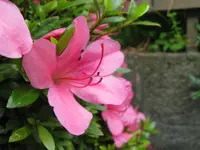
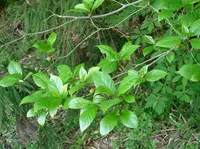
Azalea indica (Rhododendron indicum) is an evergreen shrub valued for its dense foliage and abundant funnel-shaped flowers. It is widely used in foundation plantings, borders, and containers. Plants are typically compact, with many fine branches and small, leathery leaves that create a neat, bushy form.
This species originates from Japan and surrounding regions, where it grows in mild, humid climates. In cultivation it is often bred into many colorful cultivars, ranging from white to deep red and purple.
These azaleas prefer bright, indirect light, evenly moist but not waterlogged soil, and an acidic, well-drained substrate. Understanding these conditions is the key to how to care for Azalea indica successfully.

Care Difficulty
Moderate Care

Light Preference
Partial Shade

Water Requirements
Keep Soil Moist

Temperature Preference
Warm Climate

Hardiness Zone
8–10

Soil Texture
Loamy, Peaty, Organic-rich

Soil pH
Strongly acidic (4.5–5.5), Acidic (5.5–6.5)

Soil Drainage
Moist but well-drained

Fertilization
Light (every 4–6 weeks)
Scan your plant to receive care tips personalized for your specific plant
Available on iOS and Android
Rhododendron indicum prefers bright, gentle light with protection from intense midday sun.
Rhododendron indicum needs consistently moist but not saturated soil.
This shrub prefers mild conditions with protection from both hard freezes and extreme heat.
This species benefits from moderately humid air, especially in heated or air-conditioned homes.
Rhododendron indicum needs acidic, airy, and free-draining soil that still retains steady moisture.
This shrub is well suited to container growing when the pot and drainage are chosen carefully.
Rhododendron indicum benefits from light, targeted feeding in acidic soil to maintain steady growth and flowering.
Pruning Rhododendron indicum is useful to maintain shape, remove problem wood, and support flowering.
Rhododendron indicum in containers or the landscape benefits from occasional transplanting when root-bound or declining.
Rhododendron indicum is most reliably propagated by semi-ripe cuttings under controlled conditions.
Rhododendron indicum has moderate cold tolerance but benefits from basic winter protection in colder regions.

Plant Health Check
Not sure what's wrong with your plant? Check your plant's health inside the app.
This azalea species from Japan is one of the few rhododendrons that stays reliably evergreen in mild climates, which makes it especially valued for traditional bonsai, where year-round foliage and dense branching are important aesthetic traits.
Centuries of selection in Japan have produced hundreds of named cultivars of this species with variations in flower size, doubleness, and colors ranging from pure white to deep magenta, forming the basis for many modern florist azaleas.
This plant has fine, fibrous roots that are adapted to very acidic, humus-rich substrates and forms associations with beneficial fungi (mycorrhizae), which help it absorb nutrients efficiently in such low-pH conditions.

In Japan, this species is a key parent of the classic satsuki azaleas, which are traditionally exhibited in late spring festivals where individual plants are judged not only for their flowers but also for the patterning and mix of different flower types that can appear on a single plant at the same time.
Flowering often fails when buds are killed by late frost, pruning is done too late, or the plant is stressed by nutrient imbalance. Buds form months before bloom, so damage or stress during that period prevents flowers.
Keep your plants happy and healthy with plant identification, disease detection, and easy care guidance.