Root-zone mulching
Apply a 5–8 cm layer of composted bark or leaf mold over the root zone, keeping it 5 cm away from the trunk, to stabilize soil moisture and temperature while suppressing weeds around the plant.

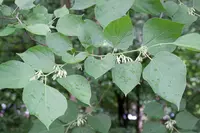
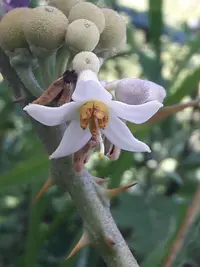
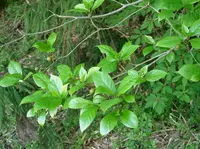
Chinese Alangium (Alangium chinense) is a deciduous shrub or small tree valued for its layered branches and clusters of narrow, often drooping leaves. In suitable conditions it produces small, pale flowers followed by fleshy fruits, giving it interest across several seasons.
This species is native to East Asia, where it grows in woodland edges, thickets, and mountain slopes. It adapts best to temperate climates with mild winters and prefers reasonably moist, well-drained soil.
For gardeners, it is moderate in difficulty. It tolerates light shade but forms a better shape and flowering display with consistent light and steady moisture. Understanding how to care for Chinese Alangium helps prevent stress from drought, poor drainage, or exposure to harsh wind.

Care Difficulty
Moderate Care

Light Preference
Partial Sun

Water Requirements
Moderate Water

Temperature Preference
Warm Climate

Hardiness Zone
7–10

Soil Texture
Loamy, Silty, Organic-rich

Soil pH
Acidic (5.5–6.5), Slightly acidic (6.5–7.0)

Soil Drainage
Moist but well-drained

Fertilization
Minimal (feed rarely)
Scan your plant to receive care tips personalized for your specific plant
Available on iOS and Android
This deciduous shrub prefers bright outdoor sites with gentle sun exposure for balanced growth.
Alangium chinense benefits from evenly moist yet well-drained soil that never stays soggy for long.
This species prefers mild to warm climates with moderate seasonal variation.
This species prefers moderate air moisture but adapts to many garden conditions.
Alangium chinense grows best in deep, moist, well-drained earth with a loose, fertile structure.
This species can be grown in containers when given a large, stable pot and careful moisture control.
This species grows slowly and usually needs only light feeding in cultivation.
Pruning helps maintain structure and health without forcing dense, unnatural growth.
This species is usually grown in the ground, so transplanting young plants correctly is more important than frequent repotting.
Propagation of this species is possible but slower than many common ornamentals.
Mature plants are moderately cold hardy but young or potted specimens benefit from basic winter protection.

Plant Health Check
Not sure what's wrong with your plant? Check your plant's health inside the app.
This species naturally grows as a deciduous shrub or small tree, typically with a broad, irregular crown and arching branches, common in thickets and forest edges in East Asia.
Its flowers have narrow, backward-curving petals that give a star-like or spider-like appearance, usually white to pale yellow, and appear before or with the new leaves in spring.
The plant produces small, fleshy, usually reddish to purple drupes (a type of fruit with a single seed) that are eaten by birds, which then disperse the seeds through their droppings.

In traditional East Asian texts, this species has been recorded for centuries as a source of aromatic wood and plant material, and modern studies have identified a diverse set of alkaloids and other secondary metabolites in its tissues, making it a reference species in phytochemical research within the Alangiaceae lineage.
Lack of flowers usually comes from insufficient light, heavy pruning at the wrong time, or nutrient imbalance. Mature wood bears most blooms, so avoid hard pruning every year and maintain moderate, balanced fertilization rather than high-nitrogen products.
Keep your plants happy and healthy with plant identification, disease detection, and easy care guidance.