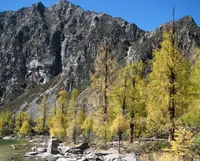
tall albizia Care (Albizia procera)

Also known as: Forest Siris, False Lebbeck, Bastard Lebbeck
tall albizia

About tall albizia

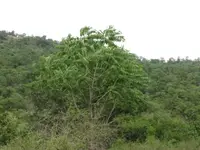
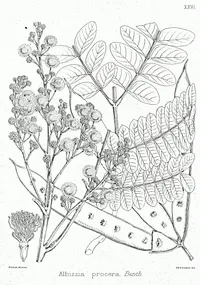
Tall albizia (Albizia procera) is a fast-growing deciduous tree valued for its light, feathery foliage and spreading, umbrella-like crown. It is often used as a shade or shelter tree. Native to South and Southeast Asia, it has naturalized in many tropical and subtropical regions and can become invasive in favorable conditions. The tree fixes nitrogen, which means its roots host bacteria that enrich the soil, helping it cope with poorer sites. It tolerates seasonal drought once established but prefers full sun, moderate moisture, and well-drained soil. Understanding how to care for tall albizia is important, as its vigorous growth and spreading root system need thoughtful placement.

Main Plant Requirements

Care Difficulty

Moderate Care

Light Preference

Full Sun

Water Requirements

Moderate Water

Temperature Preference

Warm Climate

Hardiness Zone

10–12

Soil Texture

Sandy, Loamy, Clay

Soil pH

Acidic (5.5–6.5), Slightly acidic (6.5–7.0)

Soil Drainage

Well-drained

Fertilization

Minimal (feed rarely)

Get Personalized Care Plan

Scan your plant to receive care tips personalized for your specific plant

Available on iOS and Android

How to Care for the tall albizia

Albizia procera grows best in open, bright conditions with plenty of direct sun.

  • Provide 6–8 hours of direct sun daily; full sun exposure promotes strongest trunk and canopy development for tall albizia.
  • Allow light partial shade in very hot climates, especially filtered afternoon sun, to reduce leaf scorch and water loss.
  • Avoid deep shade, which leads to sparse foliage and weak growth; during shorter winter days, ensure trees are not shaded by buildings or larger trees.

Albizia procera prefers evenly moist but well-drained soil, especially while establishing.

  • Allow the top 3–5 cm of soil to dry before deep watering, then soak the root zone rather than giving light surface splashes.
  • In the first 1–2 years, monitor weekly in warm seasons; increase frequency during drought, and reduce once the tree is fully established.
  • Watch for yellowing, soft leaves and persistent wet soil as signs of overwatering, and for dull, curling, or dropping leaflets as signs of underwatering.

This species prefers warm climates and does not tolerate hard frost.

  • Ideal growing temperatures are 68–86°F (20–30°C), with strongest shoot and leaf growth in consistently warm conditions.
  • Albizia procera can tolerate brief drops to about 28–30°F (-2 to -1°C), but repeated or harder frosts can damage young shoots and seedlings.
  • Mature trees handle hot spells up to 100°F (38°C) if soil moisture is sufficient; shelter young plants from cold winds and sudden spring chills.

Albizia procera handles a wide humidity range but benefits from moderately moist air in containers.

  • Aim for 40–60% humidity when young or potted, as very dry indoor air can slow growth and crisp new leaf tips.
  • The tree tolerates short dry spells, but extended exposure below 30% humidity may cause leaf edge browning and premature leaf drop.
  • Increase humidity locally by grouping plants, placing trays with water and pebbles nearby, or lightly misting foliage during hot, dry periods.

Albizia procera prefers deep, well-drained, moderately fertile soil that does not stay waterlogged.

  • Use a loose loam or sandy loam with some organic matter so roots can spread quickly without compaction.
  • Ensure rapid drainage by blending roughly 50–60% garden loam with 20–30% coarse sand and 20–30% compost or well-rotted bark fines.
  • Aim for slightly acidic to neutral pH, around 6.0–7.5, and avoid strongly saline or sodic soils that restrict root function.
  • Improve aeration on heavy clay sites by raising the planting area and incorporating coarse sand or fine gravel through the top 20–30 cm.

This species can be grown in large containers for a limited period, mainly when young.

  • Select a wide, heavy container to counterbalance the tall, spreading canopy and reduce tipping risk in strong winds.
  • Use a deep pot that accommodates a strong taproot and allows at least 30–40 cm of free root run below the current root mass.
  • Choose a mineral-rich, fast-draining mix to prevent waterlogging while still providing enough weight to stabilize the tall albizia.

Albizia procera benefits from moderate feeding in poor soils but established trees on fertile ground often need little extra fertilizer.

  • Apply a balanced granular NPK, such as 10-10-10, once in early spring for young or nutrient-deficient trees.
  • Use a light top-dressing of compost over the root zone yearly to improve soil structure and microbial activity.
  • During the main growing season, avoid more than 1–2 light applications and keep fertilizers off the trunk flare.
  • Reduce or stop feeding in late fall and winter, and use half-strength doses for container-grown tall albizia.

Albizia procera responds well to structural pruning that maintains a strong framework and safe clearance.

  • Carry out main pruning in late winter or very early spring before new growth starts.
  • Remove dead, storm-damaged, rubbing, or inward-growing branches to reduce disease entry and improve airflow.
  • Thin crowded limbs to create a balanced, open canopy while maintaining a single dominant leader when possible.
  • Use clean, sharp bypass pruners or a pruning saw, making smooth cuts just outside the branch collar.

This fast-growing tree is usually transplanted from nursery containers to the landscape rather than maintained long term in pots.

  • Transplant when roots circle the container, growth slows, or the tree becomes top-heavy, ideally in late winter to early spring.
  • Plan on moving young trees from pots to the ground within 1–3 years to prevent root binding.
  • Dig a wide, shallow planting hole, gently loosen circling roots, and keep the root flare at or just above soil level.
  • Water thoroughly after planting, then maintain even moisture and mulch 5–8 cm deep to limit stress and temperature swings.

Albizia procera is typically propagated from seed, with stem cuttings used less often in cultivation.

  • Collect ripe pods, extract seeds, and scarify by nicking the coat or soaking in hot (not boiling) water for 12–24 hours.
  • Sow in spring in a free-draining mix kept warm at 70–80°F and just evenly moist, not waterlogged.
  • Provide bright light and good air movement to reduce damping-off, a fungal disease that kills seedlings at soil level.
  • For semi-hardwood cuttings, use rooting hormone, a very well-drained medium, bottom warmth, and high humidity until roots form.

Albizia procera prefers warm climates and offers limited cold tolerance, so young trees need some attention in cooler regions.

  • In USDA zones colder than 9, expect frost damage and potential dieback during hard freezes.
  • Apply 5–8 cm of organic mulch around the root zone in late fall, keeping it slightly away from the trunk.
  • Wrap young trunks with breathable tree wrap where winter lows drop well below freezing.
  • Move container-grown plants into a bright, frost-free space before nighttime temperatures fall below 40°F.

Care Tips

Early leader training

Select a single strong central stem in the first 2–3 years and lightly stake and tie it with soft, adjustable ties to develop a straight trunk and stable framework for future height.

Wind‑hardening saplings

In the first growing season, gradually expose young trees to stronger wind by removing shelter over several weeks so the trunk and branches thicken and become more resistant to storm damage.

Root‑zone protection

Keep a permanent, weed‑free mulch ring 60–90 cm wide around the base and avoid lawn traffic or compaction in this area to protect surface feeder roots and maintain even soil conditions.

Branch spacing control

During structural pruning, favor a few well‑spaced main branches with 30–60 cm vertical separation and remove closely stacked or rubbing limbs to reduce future breakage as the canopy enlarges.

Long‑term space planning

When planning for growing tall albizia, site the tree at least 6–8 m away from buildings, overhead lines, and drains to allow full crown spread and reduce the need for severe corrective pruning later.

Common Pests and Diseases

Leaf webworm

This pest is a caterpillar that webs together young Albizia leaflets and feeds inside, causing skeletonized or brown foliage and sparse canopies.

Solution

Prune and destroy webbed leaf clusters with larvae inside and keep the area under the tree free of fallen, infested leaves. For heavier infestations, use a targeted Bacillus thuringiensis (Bt) caterpillar spray on young foliage following label directions, applying in the evening to avoid rapid breakdown by sunlight.

Bark borer beetles

These insects tunnel into stems and branches, leading to small round exit holes, frass (sawdust) on the bark, dieback of twigs, and in young trees, possible girdling and death.

Solution

Remove and destroy heavily infested branches to break the life cycle and reduce beetle populations, and avoid bark injuries that attract borers. Support tree vigor with correct watering and mulching, and where permitted, use a systemic insecticide labeled for borers on ornamental trees, applied by a licensed professional if the tree is large.

Leaf spot

This disease causes small brown to dark spots on leaflets that may merge, leading to premature yellowing and shedding of foliage, especially in humid or rainy periods.

Solution

Rake and dispose of fallen leaves to reduce fungal spores, and prune to improve light penetration and airflow through the canopy. In areas with repeated severe outbreaks, a copper-based fungicide or other fungicide labeled for leaf spot on ornamental trees can be applied at the start of the wet season, repeating as directed.

Powdery mildew

This disease produces white to gray powdery patches on young leaves and shoots, which may curl, distort, or drop early under prolonged infection.

Solution

Thin crowded branches to improve ventilation and avoid overhead watering that keeps foliage damp in the evening. At early signs, treat susceptible young trees with a sulfur or potassium bicarbonate fungicide labeled for powdery mildew, and continue at recommended intervals during high-risk warm, dry periods with cool nights.

Nematode‑induced decline

This disease complex involves microscopic root-feeding nematodes that reduce root function, causing stunting, sparse foliage, and general decline, especially on poor or compacted soils.

Solution

Plant in well-drained, organically enriched soil and avoid moving infested soil from site to site; remove severely affected young trees and replant in a different location if possible. In established sites, support root health with proper irrigation, organic mulch (kept off the trunk), and, where allowed, consider soil solarization in small planting areas during the hottest months to reduce nematode populations before replanting.

Interesting Facts

Nitrogen-fixing pioneer

Albizia procera forms root nodules with symbiotic bacteria that fix atmospheric nitrogen, which helps improve poor soils and supports its use in reforestation and land-reclamation projects.

Fast-growing timber tree

This species produces moderately heavy, durable wood that is used for furniture, construction, and agricultural tools in many tropical and subtropical regions, while the tree itself often reaches usable timber size relatively quickly.

Light-filtering canopy

Its fine, bipinnate leaves create a high, open canopy that casts dappled shade, which allows understory grasses and crops to grow beneath it in agroforestry systems.

Botan icon

Did you know?

Albizia procera is widely planted as a shade and support tree for lac insects and silkworms in parts of South and Southeast Asia, integrating it directly into traditional insect-based fiber and resin production systems.

FAQs about tall albizia

In suitable outdoor conditions, this species is considered fast-growing, often adding 1–2 m per year when young. Growth slows as the canopy matures, especially in poor soil, dry sites, or confined root spaces such as small containers.

Grow Healthy Plants with Botan Care

Keep your plants happy and healthy with plant identification, disease detection, and easy care guidance.

Botan plant care app — identify plants on mobile

Explore More Plants