Wind-hardening juveniles
For young plants grown in sheltered spots, expose them gradually to stronger wind over 2–3 months so the trunk and petioles thicken and the crown becomes more storm-resilient before reaching full size outdoors.

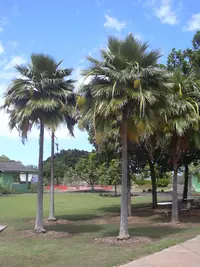
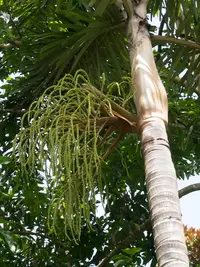
The Fiji fan palm, Pritchardia thurstonii, is a small to medium tropical palm known for its broad, rounded fan leaves and clean, upright trunk. It forms a tidy crown that gives a strong architectural look in gardens and large containers.
This species is native to islands of Fiji, where it grows in coastal and lowland forests exposed to warm, humid air and steady light. It is considered moderately easy to grow when given warmth, good light, and free-draining soil.
Slow to moderate growth and a generally tidy habit make it suitable for sheltered outdoor sites and very bright indoor spaces. Understanding how to care for Fiji fan palm starts with providing protection from cold and excessive wind.

Care Difficulty
Moderate Care

Light Preference
Full Sun

Water Requirements
Moderate Water

Temperature Preference
Tropical / Frost Sensitive

Hardiness Zone
11–12

Soil Texture
Sandy, Loamy, Organic-rich

Soil pH
Slightly acidic (6.5–7.0), Neutral (7.0)

Soil Drainage
Moist but well-drained

Fertilization
Minimal (feed rarely)
Scan your plant to receive care tips personalized for your specific plant
Available on iOS and Android
This palm prefers bright, warm conditions that mimic an open, tropical coastal site.
This species prefers evenly moist, well-drained soil and does not tolerate standing water.
This palm is suited to warm, frost-free climates and is sensitive to prolonged cold.
This palm prefers moderately humid air but usually adapts to typical indoor levels if not extremely dry.
Pritchardia thurstonii grows best in a loose, airy mix that drains quickly yet retains some moisture.
This species is suitable for container growing, especially while young or in cooler climates.
This palm responds well to light, steady feeding during the warm growing season.
Pruning needs for Pritchardia thurstonii are minimal and focus on cleanliness and safety.
Container plants and young landscape specimens benefit from careful, infrequent moves to larger spaces.
New Pritchardia thurstonii plants are usually raised from seed rather than by vegetative methods.
This tropical palm is not frost hardy and needs thoughtful winter management in cooler regions.

Plant Health Check
Not sure what's wrong with your plant? Check your plant's health inside the app.
This species occurs naturally only in Fiji, mainly on lowland coastal areas and small offshore islands, where it forms part of littoral forest and strand vegetation near the sea.
It tolerates salty wind and sandy, often nutrient-poor soils, which allows it to grow close to beaches and in exposed coastal positions that many other palms cannot handle.
Local communities have traditionally used its broad, fan-shaped leaves for temporary thatching and shelter materials, taking advantage of their size and durability in tropical rain climates.
Pritchardia thurstonii is considered vulnerable in the wild due to its restricted island range and habitat loss, so cultivated plants in gardens and collections can help maintain ex situ conservation of the species.
Brown tips or edges usually come from low humidity, salt buildup from fertilizer, or chronic underwatering. Occasionally, strong wind or excess sun scorch older fronds. Trim only fully dead tissue and correct the underlying environmental stress gradually.
Keep your plants happy and healthy with plant identification, disease detection, and easy care guidance.