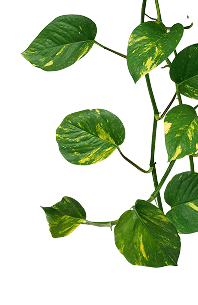
Jatata Shadowpalm Care (Geonoma deversa)

Jatata Shadowpalm

About Jatata Shadowpalm

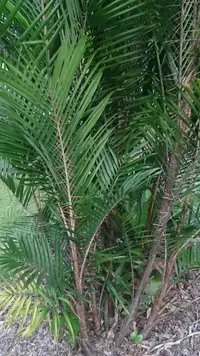
Jatata shadowpalm, Geonoma deversa, is a small understory palm native to humid tropical forests of South America. It typically forms a slender trunk with graceful, arching leaves. The foliage is often dark green, sometimes appearing almost shadowed, and the plant usually stays compact, which suits container and indoor growing. Growth is moderate rather than fast, and mature height remains manageable in most home settings. This palm prefers consistently moist, well-drained soil and sheltered, low to medium light similar to its forest habitat. With stable warmth and humidity, it is considered moderately easy to care for Jatata Shadowpalm, especially for growers who already keep other tropical foliage plants.

Main Plant Requirements

Care Difficulty

Hard Care

Light Preference

Shade

Water Requirements

Keep Soil Moist

Temperature Preference

Tropical / Frost Sensitive

Hardiness Zone

11–12

Soil Texture

Loamy, Silty, Organic-rich

Soil pH

Acidic (5.5–6.5)

Soil Drainage

Moist but well-drained

Fertilization

Light (every 4–6 weeks)

Get Personalized Care Plan

Scan your plant to receive care tips personalized for your specific plant

Available on iOS and Android

How to Care for the Jatata Shadowpalm

This understory palm prefers soft, filtered light that mimics forest shade conditions.

  • Provide 4–6 hours of bright, indirect light per day, such as dappled shade under taller plants or light filtered through sheer curtains for Jatata Shadowpalm.
  • Allow gentle morning sun in cooler climates, but protect from direct midday and afternoon sun, which can burn leaves and cause pale, crispy patches.
  • In darker seasons, move plants slightly closer to bright windows or under grow lights, keeping foliage out of harsh direct beams to prevent stress.

This species prefers consistently moist but not waterlogged soil around its roots.

  • Water when the top 2–3 cm of soil feels slightly dry, aiming to keep the root zone evenly damp without standing water.
  • Use loose, well-drained soil; after watering, excess should drain within 1–2 minutes to reduce the risk of root rot and sour odors.
  • In cooler months, let the top layer dry a bit deeper and watch for drooping or dry tips as signs of underwatering, or yellowing, mushy bases as signs of excess moisture in Geonoma deversa.

This palm thrives in warm, stable conditions with no exposure to frost.

  • Aim for 70–85°F (21–29°C) for active growth, which reflects its native tropical understory habitat.
  • Protect from temperatures below 55°F (13°C); short dips to 50°F (10°C) may be tolerated but can slow growth and mark leaves.
  • During hot spells above 90°F (32°C), increase air movement and shade to prevent leaf scorch, and avoid cold drafts or sudden temperature swings year-round.

This understory palm needs consistently high humidity to look its best indoors.

  • Aim for 60–80% humidity; growth slows and leaf edges brown below about 50%.
  • Dry indoor air causes brown tips, folded leaflets, and stalled new fronds on Jatata Shadowpalm.
  • Use a room humidifier, grouped plants, and a pebble tray near the plant to raise local humidity.

Geonoma deversa prefers an airy, organic-rich substrate that mimics loose forest floor litter.

  • Use a mix of roughly 50% peat- or coco-based potting mix, 25% fine bark, and 25% perlite or pumice for structure and air spaces.
  • Target slightly acidic pH around 5.5–6.5, which supports nutrient availability and healthy root function.
  • Ensure water drains through in seconds, never pooling on the surface or in the cache pot, to prevent anaerobic (oxygen-poor) conditions.
  • Avoid heavy garden soil, pure compost, or mixes dominated by fine peat that compact and stay wet for long periods.

This species adapts well to containers if the pot supports its vertical, palm-like growth habit.

  • Choose a pot that is tall rather than very wide so the root system can develop a deeper, more stable column of substrate.
  • Use a heavier material such as ceramic or clay to reduce the risk of the slender trunked plant tipping over as it gains height.
  • Raise the container slightly on pot feet so drainage holes stay clear and excess water escapes freely after watering.

Geonoma deversa benefits from light, consistent feeding during the warm growing months when grown as Jatata Shadowpalm indoors or in containers.

  • Use a balanced, dilute liquid fertilizer (for example 10-10-10) at 1/4–1/2 strength every 4–6 weeks in spring and summer.
  • Alternatively, apply a mild slow-release palm fertilizer or a thin top-dressing of well-aged compost in early spring.
  • Skip or greatly reduce feeding in fall and winter, when growth slows and nutrient demand drops.
  • Always water before applying fertilizer to lower the risk of root burn and salt buildup in the potting mix.

Pruning Geonoma deversa focuses on cleanliness and maintaining a neat outline rather than reshaping the plant.

  • Carry out light pruning in late winter or early spring before strong new growth starts.
  • Remove only dead, yellowing, diseased, or badly damaged fronds at their base, leaving healthy green foliage intact.
  • Cut with clean, sharp pruners or snips to make smooth cuts that heal quickly and reduce infection risk.
  • Limit pruning to problem fronds so the palm keeps a natural form and does not lose too much photosynthetic area.

This palm has a relatively fine root system, so repotting or transplanting must be gentle and infrequent.

  • Plan to repot container plants every 2–3 years in spring when roots circle the pot, push from drainage holes, or growth slows.
  • Shift to a container only 2–5 cm wider, using a well-drained, peat-free palm or aroid mix to avoid waterlogging.
  • Slide the root ball out carefully, loosen only lightly, and keep as much original soil around the roots as possible to limit shock.
  • After repotting or transplanting, water thoroughly once, then keep in bright, indirect light and slightly drier soil for 1–2 weeks.

Geonoma deversa is usually propagated from seed, which is slow and requires stable warmth and humidity.

  • Sow fresh, cleaned seeds in late spring or early summer in a sterile, very well-drained seed-starting mix.
  • Maintain temperatures around 75–85°F with high humidity and gentle bottom warmth to support germination.
  • Cover seeds lightly, keep the mix just moist, and use a clear dome or plastic cover with small vents for airflow.
  • Expect slow, uneven germination; pot up seedlings individually once they have several true leaves and firm root systems.

Geonoma deversa is not frost hardy and needs thoughtful winter care in most temperate climates.

  • Avoid exposure to frost; aim to keep temperatures above 55°F, with 60–75°F preferred for indoor plants.
  • Move container plants indoors before night temperatures fall below 50°F, providing bright, indirect light.
  • Use a 2–5 cm mulch layer around outdoor plant bases in mild climates to buffer brief cool spells and stabilize soil moisture.

Care Tips

Trunk cluster management

Allow several stems to develop but thin out the weakest suckers at the base once a year so the clump stays airy, which reduces fungal issues and helps the remaining stems grow straighter and stronger.

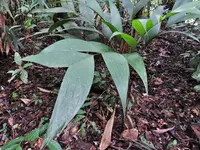
Understory companion planting

Plant low, shallow-rooted companions like fine ferns or small Peperomia around the base to shade the soil surface, which stabilizes soil moisture and keeps sensitive feeder roots cooler and less stressed.

Airflow without drafts

Position a small fan on a low setting several feet away to keep air gently moving around the foliage, which discourages fungal leaf spots without exposing the plant to direct drafts.

Controlled root restriction

Use a tall, relatively narrow container rather than an extra-wide pot to encourage deep, stable root growth that supports upright stems and reduces the risk of the plant leaning as it matures.

Seasonal cleaning routine

Wipe each leaflet with a soft, barely damp cloth every 4–6 weeks to remove dust so the thin leaves can photosynthesize efficiently, which is especially helpful for Jatata Shadowpalm indoor care in low-light homes.

Common Pests and Diseases

Scale insects

These insects attach firmly to stems and leaf midribs, appearing as small brown or tan bumps that cause yellowing and gradual decline of fronds. Symptoms include sticky honeydew and sooty mold on slow-growing understory palms like this species.

Solution

Wipe affected areas with a cotton pad dipped in diluted isopropyl alcohol (about 50–70% alcohol to water) and repeat weekly until no new insects appear, or use an insecticidal soap spray, coating both sides of the leaves and stems. For container plants, improve light and airflow and avoid overfertilizing, which can encourage soft new growth that attracts scale.

Spider mites

This pest thrives in warm, dry air and causes fine speckling, dull leaves, and eventual browning on the delicate leaflets. Symptoms include very fine webbing along leaflet edges and between leaf segments.

Solution

Rinse foliage thoroughly with lukewarm water, focusing on the undersides of leaflets, then apply insecticidal soap or a horticultural oil labeled for mites every 5–7 days for several cycles. Raise humidity to 50–60% with a humidifier or pebble tray and avoid placing the plant near drying heat sources, which favor mite outbreaks.

Pink rot

This disease, caused by the fungus Gliocladium (now Nalanthamala), affects many palms and leads to soft, water-soaked tissue at the base of emerging leaves, sometimes with salmon-pink fungal growth. Symptoms include collapsing new spears and brown, sunken lesions at leaf bases, especially under chronically wet, low-airflow conditions.

Solution

Remove and discard all affected fronds and any soft, decayed tissue, sterilizing cutting tools between cuts with alcohol. Allow the crown and soil surface to dry slightly between waterings, improve air movement around the plant, and use a systemic fungicide labeled for palm pink rot if the infection is caught early and the growing point is still firm.

Leaf spot

This disease produces tan, brown, or dark purplish spots on the leaflets, often with yellow halos that can merge into larger dead patches in humid, shaded conditions. Symptoms include premature leaf aging and an overall reduction in the plant’s vigor if many fronds are affected.

Solution

Prune and discard heavily spotted fronds, keeping a portion of green tissue whenever possible to maintain photosynthesis. Water at the soil level, increase spacing and airflow, and if spots continue to spread, apply a copper-based fungicide or other palm-safe foliar fungicide according to label directions, especially in persistently humid environments.

Mealybugs

These insects appear as white, cottony masses in leaflet bases and along stems, sucking sap and causing distorted, yellowing, or stunted new growth. Symptoms include sticky honeydew and possible secondary sooty mold on shaded indoor and greenhouse plants.

Solution

Dab visible clusters with a cotton swab dipped in diluted isopropyl alcohol, then follow with an insecticidal soap or neem oil spray, repeating every 7–10 days until clear. Inspect leaf bases and hidden crevices closely, isolate heavily infested plants, and maintain steady but not excessive humidity as part of general Geonoma deversa plant care to reduce stress that makes the palm more vulnerable.

Interesting Facts

Understory shade specialist

This species naturally grows in the deep shade of Amazonian forests, forming part of the lowest vegetation layer and tolerating very low light levels compared with many other palms.

Variable leaf form

Populations show notable variation in leaflet number, width, and spacing, which has led to past taxonomic confusion and multiple synonyms in scientific literature.

FAQs about Jatata Shadowpalm

This palm is naturally slow-growing, often adding only 5–10 cm of height per year. In containers it stays compact for many years, which suits small indoor spaces and shaded patios.

Grow Healthy Plants with Botan Care

Keep your plants happy and healthy with plant identification, disease detection, and easy care guidance.
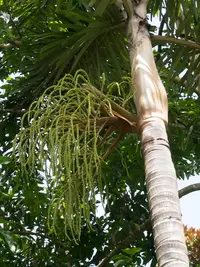
Botan plant care app — identify plants on mobile

Explore More Plants